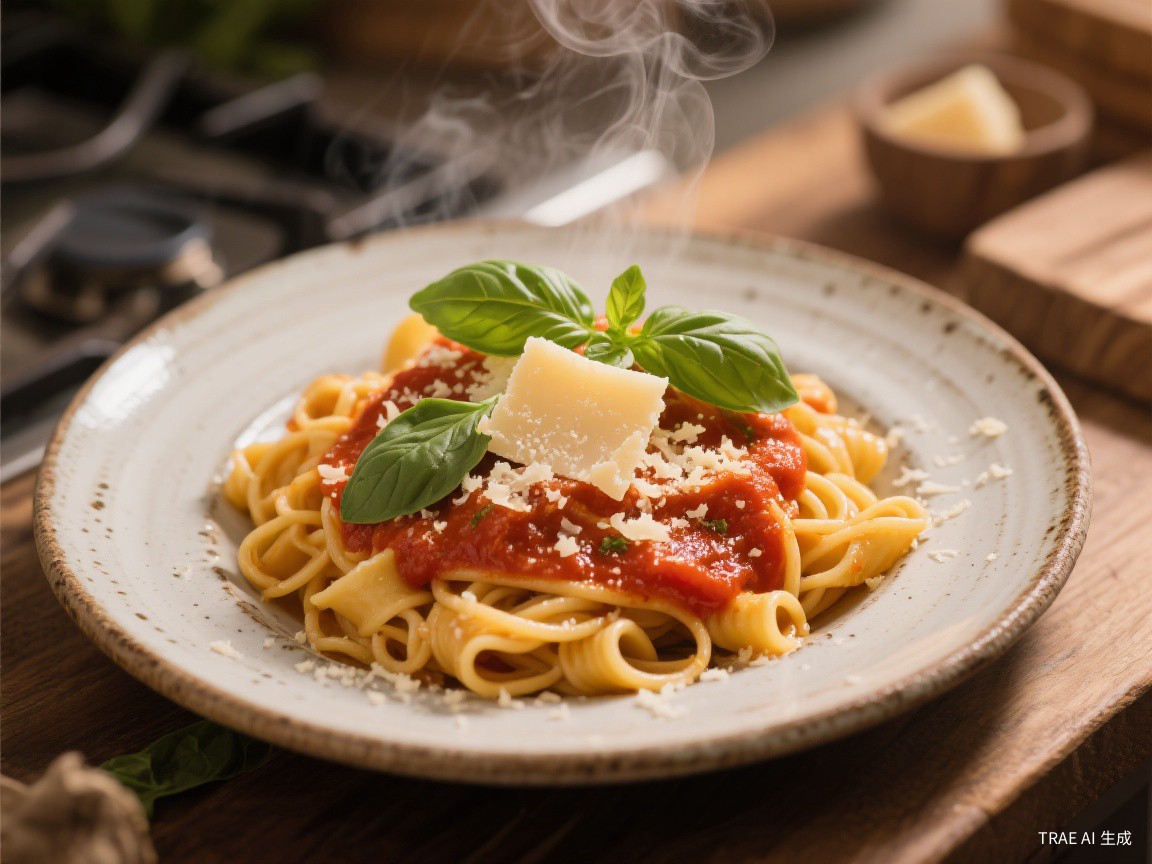
There's a profound difference between dried pasta from a box and fresh pasta made by hand. The texture is silkier, the flavor more pronounced, and the sauce clings differently to the rougher surface. Making pasta from scratch isn't difficult—it just requires understanding a few fundamental principles.
The Two Schools: Egg vs. Water
Italian fresh pasta falls into two main categories:
Egg pasta (pasta all'uovo): Traditional in Northern Italy, particularly Emilia-Romagna. Made with flour and eggs, resulting in rich, tender pasta perfect for tagliatelle, lasagna, and stuffed pastas like tortellini.
Water pasta (pasta di semola): Common in Southern Italy. Made with semolina flour and water, creating firmer pasta ideal for shapes like orecchiette and cavatelli.
The Golden Ratio
For egg pasta, use 100g of flour per large egg. That's it. No salt, no oil, no water. The eggs provide all the moisture and richness needed.
The Flour Question
Walk into an Italian market, and you'll find multiple types of flour:
- 00 flour: Finely ground, low protein. Creates silky, tender pasta. Best for egg pasta.
- Semola rimacinata: Remilled semolina. Slightly coarser, higher protein. Traditional for Southern shapes.
- All-purpose: A reasonable substitute if Italian flours aren't available.
The Method: By Hand
Traditional pasta making begins with the fontana—a well of flour on a wooden board with eggs cracked in the center:
- Mound flour on a clean work surface
- Create a well in the center
- Crack eggs into the well
- Beat eggs with a fork, gradually incorporating flour
- Once a shaggy dough forms, begin kneading
- Knead for 8-10 minutes until smooth and elastic
- Rest for 30 minutes wrapped in plastic
"The dough will tell you when it's ready. It should feel like a baby's cheek—soft, smooth, and slightly warm. If it springs back when you press it, keep kneading."
— Nonna Maria, Bologna
Rolling and Cutting
After resting, roll the dough thin—very thin. You should almost be able to see your hand through it. A pasta machine makes this easier, but a rolling pin works perfectly well with practice.
For tagliatelle, roll the dough into a cylinder and cut into strips about 6mm wide. Unroll immediately and lay flat to dry slightly before cooking.
Cooking Fresh Pasta
Fresh pasta cooks much faster than dried—often in just 2-3 minutes. Have your sauce ready before the pasta hits the water:
- Bring a large pot of well-salted water to a rolling boil
- Add pasta and stir immediately to prevent sticking
- Taste after 2 minutes
- Reserve some pasta water before draining
- Toss with sauce, adding pasta water as needed for silkiness
Sauce Pairings
Fresh egg pasta pairs beautifully with rich, creamy sauces:
- Tagliatelle: Bolognese, cream sauces, mushroom ragù
- Pappardelle: Wild boar ragù, duck confit
- Lasagna: Béchamel and meat sauce, or vegetable-based
Master Italian Cuisine
Download our complete guide to pasta shapes and sauce pairings.
Get the Free Guide