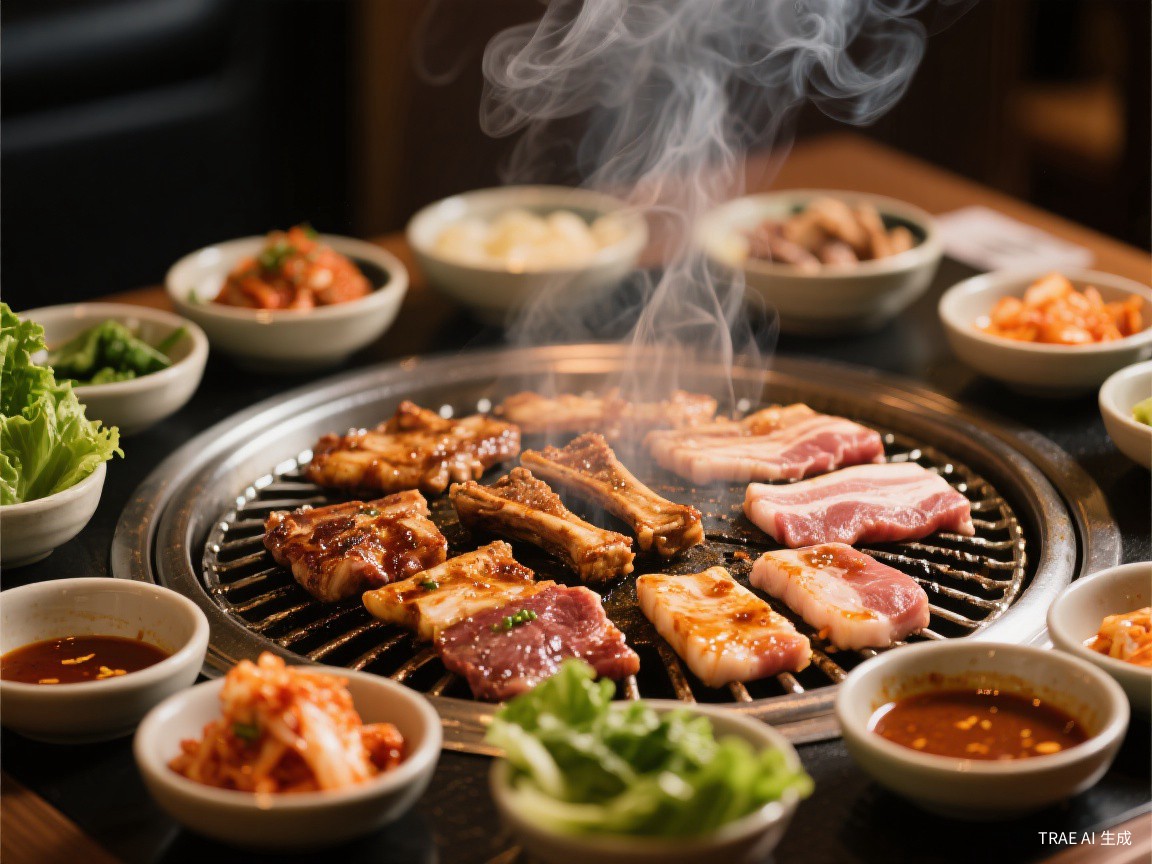
Korean BBQ, or gogi-gui, is more than just a meal—it's a communal experience that brings people together around the grill. The sizzle of marinated meat, the array of colorful side dishes, and the ritual of wrapping grilled morsels in fresh lettuce create a dining experience unlike any other.
The Philosophy of Korean BBQ
At its heart, Korean BBQ is about balance. Rich, savory meats are complemented by fresh vegetables, pungent garlic, spicy sauces, and the bright acidity of kimchi. Each bite should contain elements of all these flavors, wrapped together in a lettuce leaf or enjoyed with rice.
This isn't just cooking—it's a social ritual. Everyone participates in grilling, wrapping, and eating. The cook is never isolated in a kitchen; instead, the grill sits at the center of the table, drawing everyone into the experience.
Essential Equipment
While you can improvise with a regular grill or stovetop pan, investing in proper equipment elevates the experience:
- Tabletop grill: Electric or gas grills designed for tabletop use allow everyone to cook together.
- Grill grate: Traditional Korean grills have a dome shape that allows fat to drain away.
- Scissors: Essential for cutting meat into bite-sized pieces at the table.
- Tongs: For handling raw meat and turning pieces on the grill.
Pro Tip
If you don't have a tabletop grill, a cast-iron skillet or griddle works well. Heat it until smoking hot before adding meat. The key is high heat for proper caramelization.
The Meats: Bulgogi and Galbi
Two meats form the cornerstone of Korean BBQ: bulgogi (thinly sliced marinated beef) and galbi (marinated short ribs). Both share a similar marinade but differ in cut and preparation.
The Marinade
The classic Korean marinade balances sweet, savory, and aromatic elements:
- Soy sauce: The base, providing salt and umami
- Asian pear or kiwi: Natural enzymes that tenderize the meat
- Sesame oil: Adds nutty richness
- Garlic and ginger: Aromatic foundation
- Sugar or honey: Helps caramelization
- Green onions: Fresh, mild onion flavor
Marinate bulgogi for at least 2 hours, preferably overnight. Galbi, being thicker, benefits from 4-8 hours of marination.
Banchan: The Supporting Cast
No Korean BBQ is complete without banchan—the array of small side dishes that accompany the meal. While you could spend days preparing elaborate banchan, focus on these essentials:
- Kimchi: The non-negotiable. Fermented napa cabbage provides acidity and spice.
- Ssammu: Pickled radish, offering crunch and sweetness.
- Gyeran-jjim: Steamed eggs, silky and comforting.
- Pa muchim: Marinated green onions, fresh and pungent.
- Gamja jorim: Braised potatoes, slightly sweet and savory.
"Banchan isn't just side dishes—it's the soul of Korean dining. Each one offers a different texture and flavor, creating a complete experience with every bite."
— Chef Jung Ji-sun, Seoul
The Ssam Ritual
Ssam means "wrapped" in Korean, and it's the traditional way to eat Korean BBQ. Here's the proper technique:
- Take a lettuce leaf (ssamjang works beautifully)
- Add a piece of grilled meat
- Top with ssamjang (fermented soybean paste), a slice of garlic, and a piece of green chili
- Wrap it all into a bundle and eat in one bite
This method ensures that every mouthful contains the perfect balance of flavors and textures.
Hosting Your First Korean BBQ
Start with just two or three meats and five or six banchan. You can purchase kimchi and other banchan from Korean markets if you don't have time to make them from scratch. Focus on getting the marinades right and your grill hot enough.
Remember: Korean BBQ is about the experience as much as the food. Don't stress about perfection. The sizzle of meat, the laughter of friends, and the joy of wrapping and eating together—that's what makes Korean BBQ special.