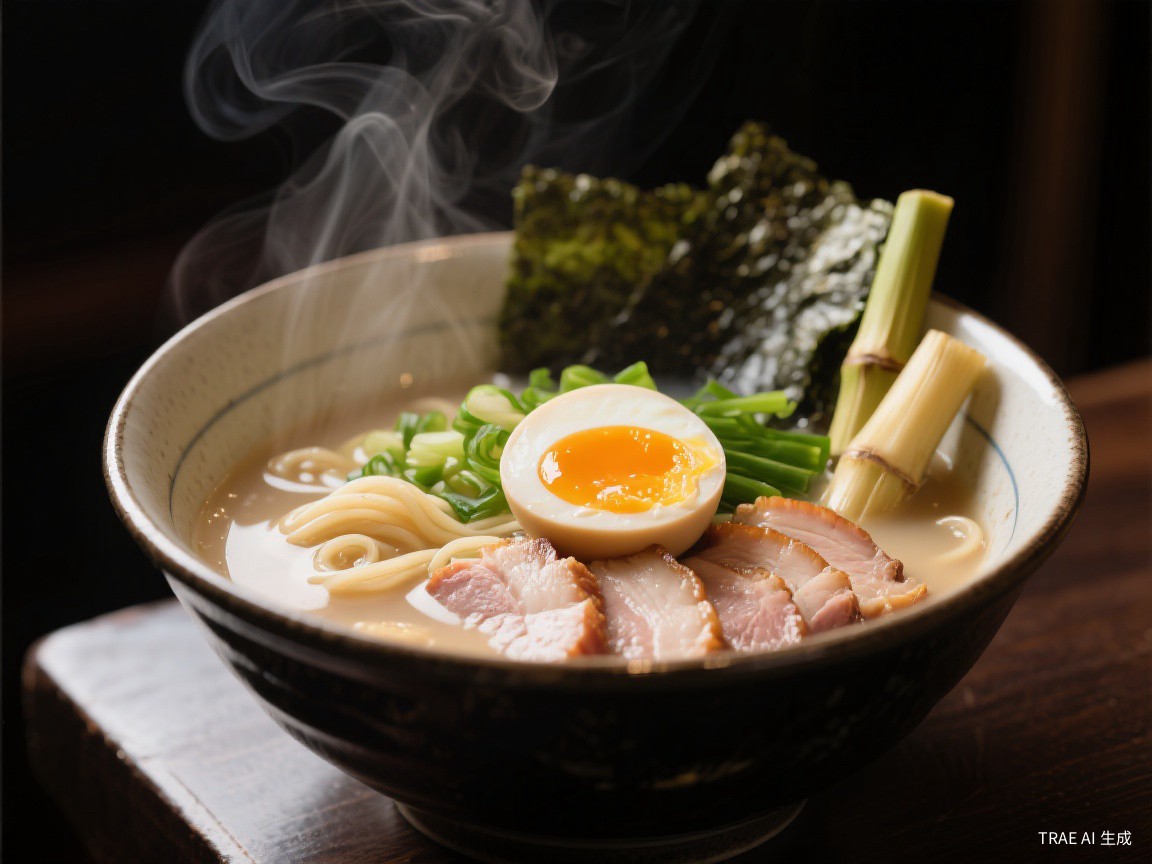
Walk into any ramen shop in Tokyo, and you're experiencing the result of centuries of culinary evolution. Ramen's journey from Chinese noodle soup to Japanese cultural icon is a story of adaptation, innovation, and ultimately, national identity.
Chinese Origins
The roots of ramen trace back to Chinese lamian—hand-pulled wheat noodles in broth. Chinese immigrants brought these noodles to Japan in the late 19th century, serving them in port cities like Yokohama and Kobe.
The Birth of Japanese Ramen
In 1910, a Tokyo restaurant called Rai-Rai Ken began serving a modified version of Chinese noodle soup, adding Japanese seasonings and toppings. This is often cited as the first true ramen restaurant. The dish quickly spread, adapting to local tastes across Japan.
Post-War Revolution
After World War II, ramen transformed from restaurant food to home staple when Momofuku Ando invented instant ramen in 1958. This innovation made noodles accessible to everyone and would eventually spread Japanese ramen culture worldwide.
Regional Styles Emerge
As ramen spread across Japan, distinct regional styles developed: rich tonkotsu in Fukuoka, miso-based in Sapporo, soy sauce in Tokyo. Each region adapted the basic concept to local ingredients and preferences.
Ramen Today
Modern ramen has become a global phenomenon, with shops from New York to London serving their interpretations. Yet the heart of ramen culture remains in Japan, where chefs spend years perfecting their craft and where a simple bowl of noodles can inspire passionate devotion.