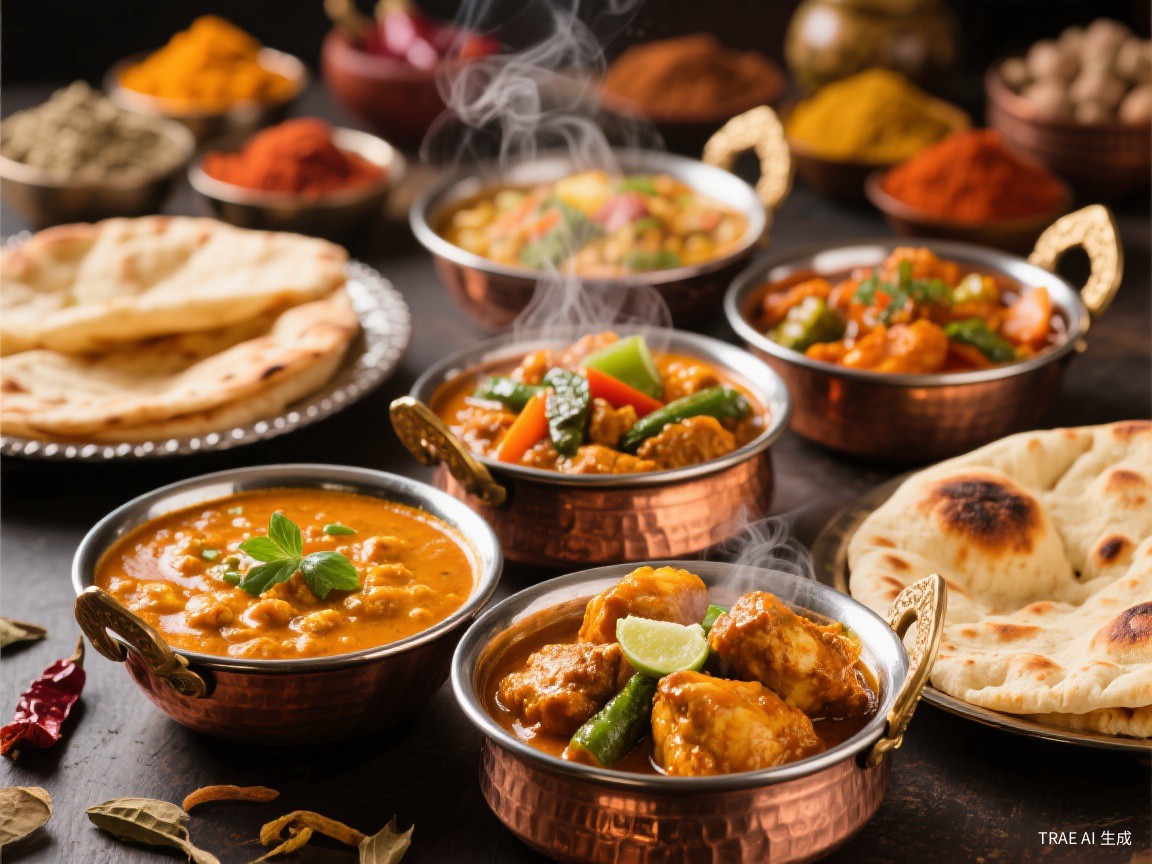
The spices in your kitchen cabinet were once worth their weight in gold. The quest for pepper, cinnamon, nutmeg, and cloves shaped world history—driving exploration, sparking wars, and connecting civilizations through trade routes that spanned continents.
The Silk Road
For millennia, spices traveled from Asia to Europe along the Silk Road, passing through countless hands and multiplying in value with each transaction. This overland route connected East and West, spreading not just goods but ideas, religions, and culinary traditions.
The Age of Exploration
When the Ottoman Empire blocked traditional trade routes, European powers sought sea routes to the spice lands. This launched the Age of Exploration—Columbus stumbled upon the Americas while seeking a western route to India, and Vasco da Gama rounded Africa to reach the Indian Ocean.
Pepper Was Once Currency
In medieval Europe, pepper was so valuable that it was accepted as rent payment and dowry. The phrase "peppercorn rent" survives from this era, though today it means a nominal sum.
Culinary Exchange
The spice trade didn't just move ingredients—it transformed cuisines. Indian curries reached Southeast Asia; Chinese five-spice traveled to new lands. The Columbian Exchange that followed brought chili peppers to Asia, revolutionizing cuisines that had never known heat.
Modern Legacy
Today, we take spices for granted, but their legacy surrounds us. Every time we add cinnamon to oatmeal or cumin to a curry, we participate in a tradition that spans thousands of years and connects us to countless ancestors who valued these flavors enough to cross oceans.