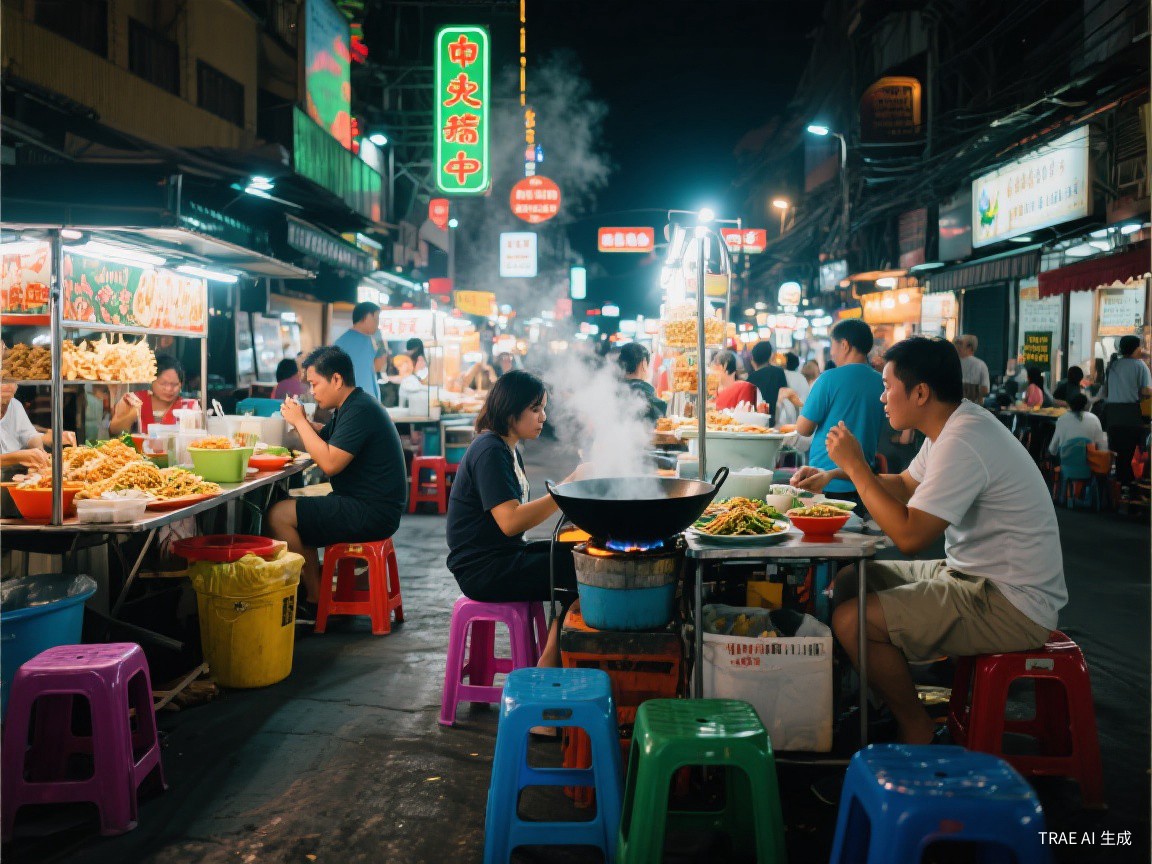
Street food is the world's most democratic cuisine—accessible, affordable, and authentic. From Bangkok's night markets to Mexico City's taco stands, these humble establishments often represent the truest expression of local food culture.
The Soul of a City
Street food vendors are often the keepers of culinary tradition. While restaurants adapt to trends, street vendors perfect the same dishes for decades, passing recipes through generations. A city's street food tells its history in edible form.
Global Traditions
Every culture has its street food: tacos in Mexico, banh mi in Vietnam, döner in Turkey, arepas in Colombia. These aren't just quick meals—they're cultural touchstones that connect people to their heritage and to each other.
The Best Indicator
In any city, follow the locals to find the best street food. A crowded stall with a line of neighborhood residents is almost always better than an empty spot targeting tourists.
The Economics of Street Food
Street food provides livelihoods for millions worldwide, often serving as an entry point into the economy for immigrants and those with limited resources. It's a vital economic sector that formal restaurants can't replace.
The Future
As cities modernize, street food faces challenges from regulations and development. Yet the demand remains strong, and many cities are finding ways to preserve these traditions while addressing health and safety concerns. Street food isn't just surviving—it's evolving, with new generations bringing innovation to ancient traditions.