For centuries, Western cuisine recognized four basic tastes: sweet, sour, salty, and bitter. But in 1908, Japanese chemist Kikunae Ikeda identified a fifth taste—one that would fundamentally change our understanding of flavor and cooking.
Discovery in a Bowl of Soup
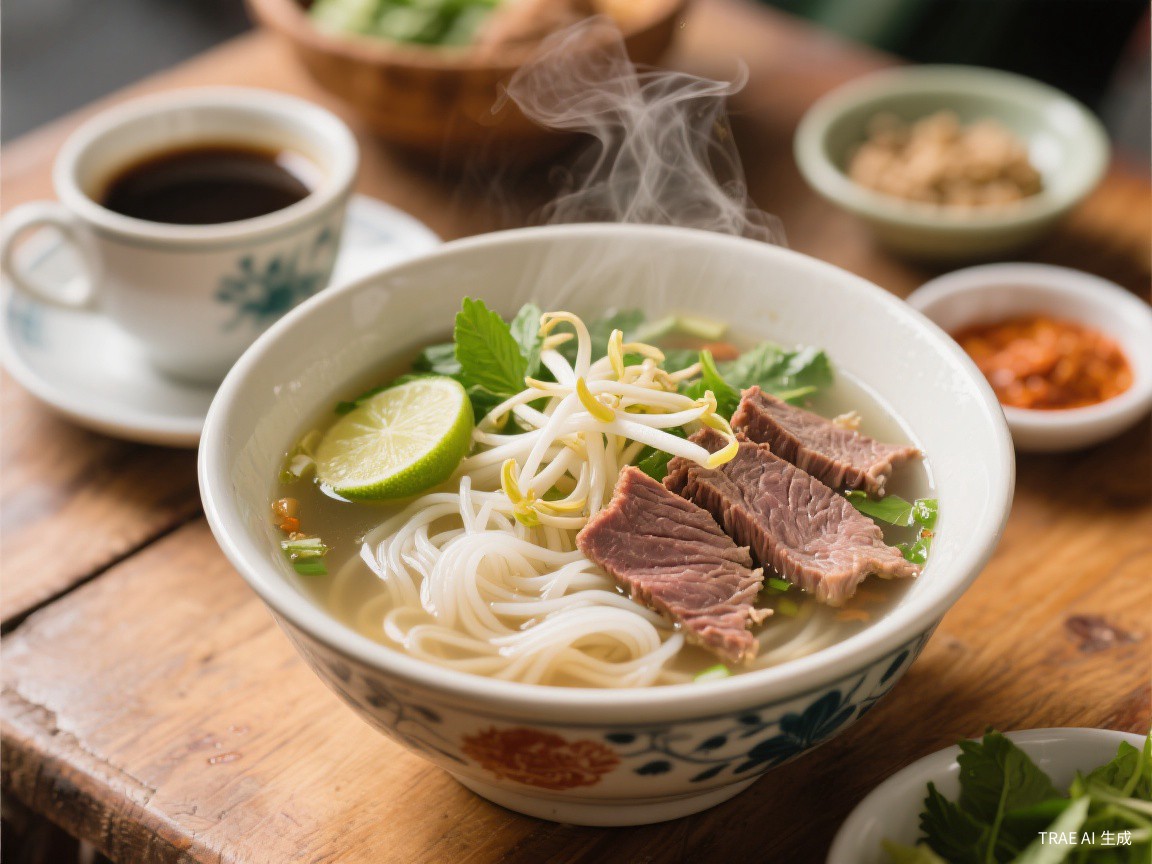
Ikeda noticed that dashi, the Japanese seaweed broth, had a distinctive savory quality that didn't fit the four established tastes. He isolated the compound responsible—glutamate—and named the taste "umami," meaning "deliciousness" in Japanese.
The Science of Savory
Umami is detected by specific receptors on the tongue that respond to glutamates and nucleotides. Foods rich in umami include tomatoes, mushrooms, aged cheeses, cured meats, and fermented products. These ingredients have been prized across cultures for their ability to add depth and satisfaction to dishes.
Umami Synergy
When glutamate-rich foods are combined with nucleotide-rich foods (like pairing tomatoes with anchovies or mushrooms with Parmesan), the umami effect multiplies. This is why certain combinations taste so much better than their individual components.
Umami in World Cuisines
Every great cuisine has its umami sources: soy sauce and fish sauce in Asia, Parmesan and tomatoes in Italy, cured ham in Spain. Understanding umami helps explain why these ingredients are so fundamental to their respective traditions.
Cooking with Umami
Adding umami-rich ingredients is one of the most effective ways to improve a dish. A splash of fish sauce, a sprinkle of Parmesan, a dollop of tomato paste—these small additions can transform flat flavors into something deeply satisfying.