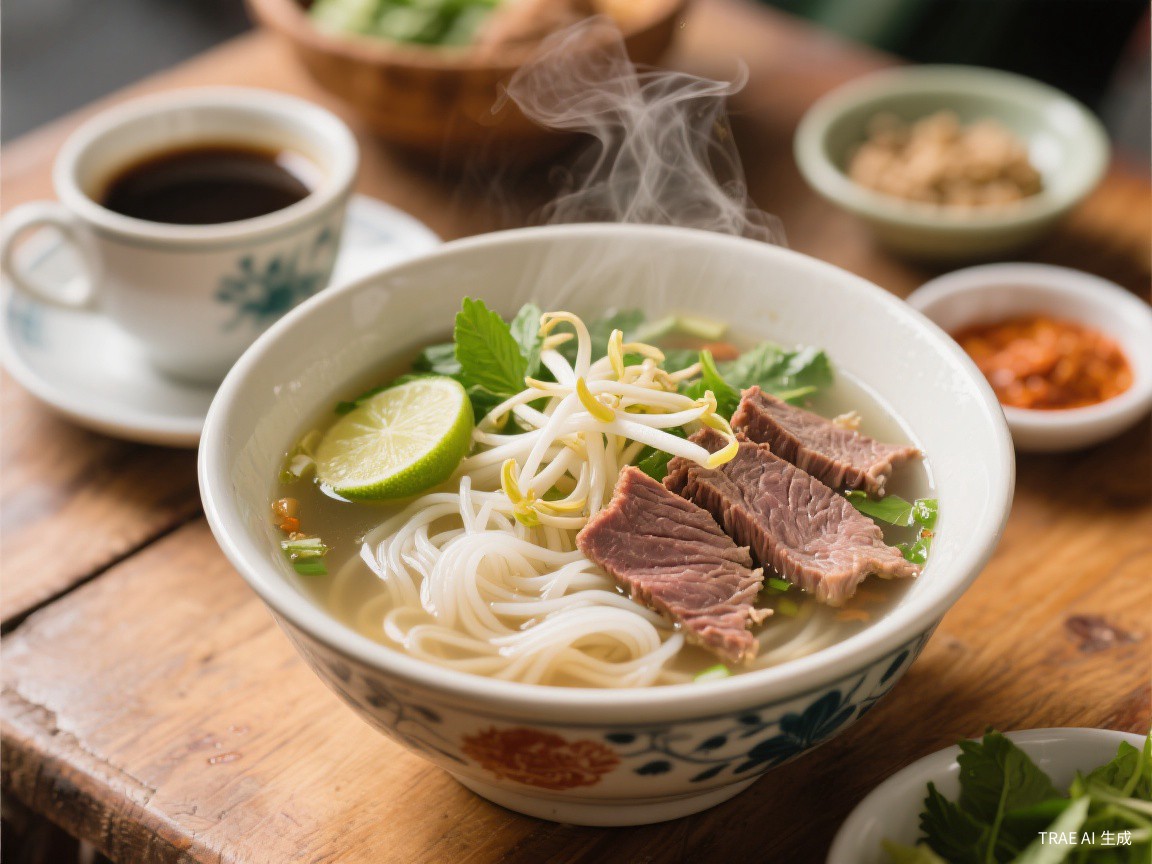
Pho is Vietnam's gift to the world—a bowl of aromatic broth, tender rice noodles, and fresh herbs that somehow manages to be both comforting and invigorating. While the ingredient list is simple, achieving that perfect balance of flavors requires understanding the nuances that make pho truly exceptional.
The Two Main Styles
Vietnamese pho comes in two primary regional styles:
Pho Bac (Northern Style): From Hanoi, this version features a clearer broth with subtle flavors. The toppings are minimal—usually just green onions, herbs, and perhaps some chili. The focus is entirely on the quality of the broth.
Pho Nam (Southern Style): From Ho Chi Minh City, this style has a richer, more complex broth with a wider array of toppings including bean sprouts, Thai basil, hoisin sauce, and sriracha.
The Soul: The Broth
A great pho broth requires time, patience, and proper technique:
The Bones
Use a combination of beef bones—marrow bones for richness and knuckle bones for collagen. Blanch the bones first: boil for 5 minutes, drain, and rinse. This removes impurities that would cloud your broth.
The Aromatics
Char ginger and onion over an open flame before adding to the pot. This step is essential—it adds depth and a subtle smokiness that defines authentic pho. Toast your spices (star anise, cinnamon, cloves, coriander seeds, fennel seeds) to release their essential oils.
The Secret Ingredient
Many Vietnamese cooks add a small piece of rock sugar (đường phèn) to balance the flavors. It provides a subtle sweetness that rounds out the savory notes without making the broth sweet.
The Simmer
Simmer gently for 6-8 hours. Never let it boil vigorously—this emulsifies fat into the broth, making it cloudy. Skim regularly to keep the broth clear. The goal is a broth that's deeply flavorful yet crystal clear.
The Noodles
Use fresh or dried banh pho—flat rice noodles. Soak dried noodles in cold water for 30 minutes before cooking, then blanch in boiling water for just 15-30 seconds. They should be tender but still have a slight chew.
"Pho is like a symphony. The broth is the melody, the noodles are the rhythm, and the herbs and condiments are the harmonies. Each element must be perfect for the whole to work."
— Chef Andrea Nguyen
The Meat
For pho tai (rare beef pho), use high-quality beef like eye round or flank. Slice paper-thin against the grain—partially freezing the meat makes this easier. Place the raw slices in the bowl and ladle hot broth over; the residual heat cooks the meat perfectly.
For pho bo vien (meatball pho), use Vietnamese-style beef meatballs that are springy and well-seasoned.
The Garnishes
A proper pho spread includes:
- Thai basil: Add leaves whole to the hot broth
- Bean sprouts: For crunch
- Lime wedges: A squeeze brightens the flavors
- Chili slices: Fresh Thai chilies for heat
- Hoisin and sriracha: Add to taste, or dip meat into them
Assembly
- Place drained noodles in a warm bowl
- Arrange meat slices on top
- Ladle piping hot broth over everything
- Top with sliced green onions and cilantro
- Serve immediately with garnish plate on the side
The Eating Ritual
First, taste the broth unadorned. Appreciate the cook's work. Then add herbs, a squeeze of lime, perhaps some chili. Adjust as you eat—pho is meant to be customized at the table. Slurping is encouraged; it cools the noodles and aerates the broth.
Master Vietnamese Cuisine
Download our complete guide to Vietnamese herbs and ingredients.
Get the Free Guide