Long before refrigeration, canning, or chemical preservatives existed, humanity discovered a remarkable trick: by allowing certain microorganisms to colonize our food, we could not only prevent it from spoiling but actually make it more nutritious, more digestible, and more complex in flavor. Fermentation is arguably the oldest biotechnology known to humankind, and for thousands of years it was practiced intuitively, without any understanding of the invisible microbes doing the work. Today, as modern science unravels the mysteries of the human microbiome, fermentation is experiencing a renaissance that is transforming our understanding of food, health, and the astonishingly intimate relationship between the bacteria in our environment and the bacteria within our bodies.
The Invisible Art: Understanding Fermentation
At its most fundamental level, fermentation is a metabolic process in which microorganisms—bacteria, yeasts, or molds—convert sugars and starches into other compounds, typically acids, gases, or alcohol. This transformation serves the microorganisms by generating energy, but it serves humans by preserving food, enhancing nutrition, and creating entirely new flavors that would not exist otherwise. The tang of yogurt, the effervescence of kombucha, the deep umami of miso, the satisfying chew of sourdough bread—none of these would exist without fermentation.
The most common form of food fermentation is lactic acid fermentation, in which lactic acid bacteria (LAB) convert sugars into lactic acid. This is the process behind sauerkraut, kimchi, pickles, yogurt, and kefir. The lactic acid lowers the pH of the food, creating an acidic environment that inhibits the growth of harmful bacteria—the same principle that makes vinegar an effective preservative. Alcohol fermentation, driven by yeasts, produces beer, wine, and bread. Acetic acid fermentation converts alcohol into vinegar. And mold fermentation, using fungi like Aspergillus oryzae, creates soy sauce, miso, and tempeh.
"Fermentation is a form of pre-digestion. The bacteria are doing work that our bodies would otherwise have to do, breaking down complex compounds into forms that are easier for us to absorb. In a very real sense, fermented foods are already partially digested before we eat them."
— Sandor Ellix Katz, author of "The Art of Fermentation"
Kimchi: Korea's Living Heritage
Kimchi is perhaps the world's most complex fermented food, and its preparation reflects centuries of accumulated knowledge about how to coax specific flavors and textures from vegetables through microbial action. The basic process involves salting napa cabbage to draw out moisture, then coating it in a paste made from gochugaru (Korean chili flakes), garlic, ginger, jeotgal (fermented seafood), and other aromatics before allowing it to ferment at cool temperatures for days, weeks, or even months.
The science of kimchi fermentation is remarkably sophisticated. During the initial stages, Leuconostoc bacteria dominate, producing lactic acid and carbon dioxide. As the acidity increases, Lactobacillus species take over, further acidifying the kimchi and developing the characteristic tangy flavor. The specific microbial community varies based on the ingredients, the salting method, the temperature, and even the microorganisms present in the local environment—which is why kimchi made by different families, even using the same recipe, can taste noticeably different. This regional and familial variation is part of what makes kimchi such a rich cultural artifact.
The health benefits of kimchi are substantial and increasingly well-documented by scientific research. A 2014 study published in the Journal of Medicinal Food found that regular kimchi consumption was associated with reduced cholesterol levels and improved blood sugar regulation. Other studies have linked kimchi intake to improved immune function and reduced inflammation. The combination of fiber from the vegetables, probiotics from the fermentation process, and bioactive compounds from the garlic, ginger, and chili makes kimchi one of the most nutritionally dense foods in any cuisine.
Getting Started with Fermentation
The simplest fermentation project for beginners is sauerkraut. All you need is cabbage, salt, and a clean jar. Shred the cabbage, massage it with salt (roughly 2 percent of the cabbage's weight) until it releases its juices, pack it tightly into the jar, and wait. Within a week, you'll have tangy, crunchy sauerkraut. The key principles are: use clean equipment, keep the vegetables submerged under their own liquid, and trust the process—bubbles and a slightly funky smell are normal signs of active fermentation.
Kombucha: The Ancient Elixir Goes Mainstream
Kombucha, the effervescent tea drink that has exploded into a multi-billion-dollar industry, originated in Northeast China around 220 BCE, where it was known as the "Tea of Immortality." According to legend, the drink was invented accidentally when a physician named Kombu presented the fermented tea to the Qin Dynasty emperor In Shi Huang as a remedy for digestive ailments. From China, the practice spread to Japan, Russia, and Eastern Europe, where it was traditionally brewed at home and passed between families as a living culture.
The kombucha fermentation process involves a symbiotic culture of bacteria and yeast, commonly known as a SCOBY. This gelatinous disk, which resembles a pancake and is sometimes called a "mushroom" (though it is not one), contains Acetobacter bacteria and various yeast species that work together to ferment sweetened tea. The yeast converts sugar into alcohol and carbon dioxide, while the bacteria convert the alcohol into acetic acid, giving kombucha its characteristic tartness. The result is a lightly effervescent, slightly sour drink with a complex flavor profile that varies based on the tea used, the fermentation time, and any additional flavorings.
The commercial kombucha boom, which began in earnest around 2010, has been both a blessing and a challenge for the fermentation community. On one hand, it has introduced millions of people to the concept of fermented foods and probiotics. On the other hand, mass production has required compromises—pasteurization to control alcohol content, standardized flavoring that masks the natural variability of fermentation, and sugar levels that some purists consider excessive. Home brewing, which allows full control over the process, remains the best way to experience kombucha as it was traditionally made.
Miso: Centuries of Patience in a Jar
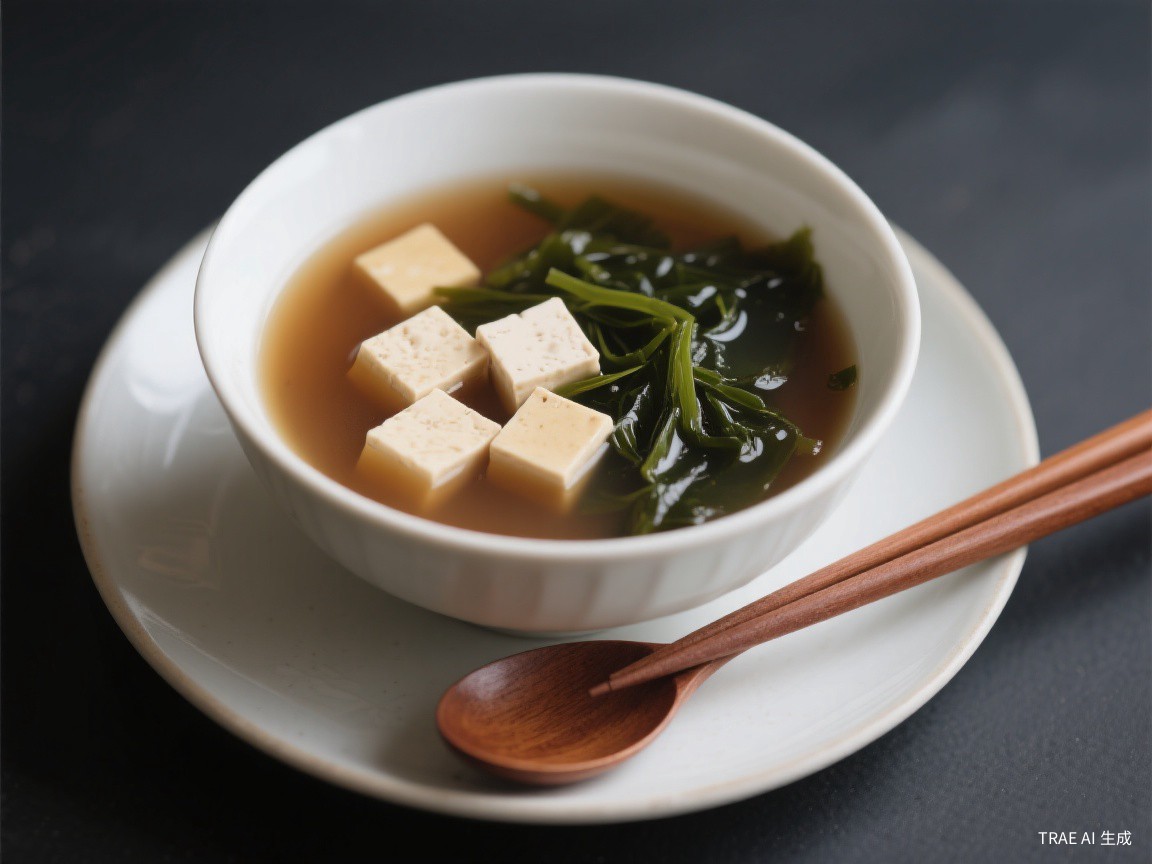
Of all fermented foods, miso perhaps best illustrates the principle that fermentation rewards patience. Traditional miso production begins with koji—the cultivated mold Aspergillus oryzae grown on steamed rice or barley—which is then mixed with cooked soybeans and salt and left to ferment for periods ranging from a few months to several years. The length of fermentation determines the miso's character: white (shiro) miso, fermented for as little as a few weeks, is mild, sweet, and light in color. Red (aka) miso, fermented for one to three years, is deep, salty, and intensely savory. Dark brown hatcho miso, fermented for up to three years without grain, is the most concentrated and complex of all.
The science behind miso's extraordinary depth of flavor lies in the proteolytic enzymes produced by the koji mold, which break down soybean proteins into amino acids—particularly glutamate, the compound responsible for umami. The lipolytic enzymes simultaneously break down fats into fatty acids, contributing additional flavor complexity. No other single food process creates as wide a range of flavor compounds as miso fermentation, which is why it has been described as the most complex fermented food on Earth.
Sourdough: The Bread That Built Civilizations
Sourdough bread is, in a sense, the original leavened bread. Commercial baker's yeast, Saccharomyces cerevisiae, was not isolated until the late nineteenth century; before that, all leavened bread was sourdough, relying on wild yeasts and lactic acid bacteria captured from the environment to raise the dough. The oldest known sourdough bread, discovered at a 14,400-year-old archaeological site in Jordan, predates agriculture itself—suggesting that early humans were experimenting with grain fermentation long before they began farming.
The sourdough revival that accelerated during the COVID-19 pandemic brought renewed attention to the science of sourdough microbiology. Research by Rob Dunn and his team at North Carolina State University revealed that every sourdough starter contains a unique microbial community shaped by the flour used, the local environment, and the baker's handling practices. A starter maintained in San Francisco will develop a different microbial profile than one in Paris or Tokyo, which partly explains why sourdough breads from different regions taste distinct even when made with the same basic recipe.
The health advantages of sourdough over conventional bread are significant. The lactic acid bacteria in sourdough partially break down gluten and phytic acid, making the bread easier to digest and allowing the body to absorb more of the grain's minerals. Sourdough also has a lower glycemic index than bread made with commercial yeast, meaning it causes a slower, more gradual rise in blood sugar. For people with mild gluten sensitivity (though not celiac disease), sourdough bread is often tolerable where conventional bread is not.
The Microbiome Connection: Why Fermentation Matters Now
The human gut microbiome—the trillions of bacteria, archaea, fungi, and viruses that inhabit our digestive tract—is increasingly recognized as one of the most important factors in human health. Research published in Nature, Cell, and other leading journals has linked microbiome composition to conditions ranging from obesity and diabetes to depression, autoimmune disease, and even cognitive function. The standard Western diet, high in processed foods and low in fiber, has been shown to reduce microbiome diversity, which is associated with poorer health outcomes.
Fermented foods offer a direct way to introduce beneficial live microorganisms into the gut. A landmark 2021 study conducted by researchers at Stanford University and published in the journal Cell found that a diet rich in fermented foods—including yogurt, kefir, kimchi, kombucha, and fermented vegetables—increased microbiome diversity and reduced markers of inflammation more effectively than a high-fiber diet alone. The study was one of the first to demonstrate, in a controlled clinical trial, that fermented foods have measurable, beneficial effects on the human immune system.
- Kimchi: Rich in Lactobacillus species; linked to improved cholesterol and blood sugar regulation
- Kombucha: Contains Acetobacter and yeasts; potential antioxidant and detoxifying properties
- Miso: High in probiotics and isoflavones; associated with reduced cardiovascular risk
- Sourdough: Wild fermentation improves mineral absorption and lowers glycemic index
- Kefir: Contains a broader range of probiotic strains than yogurt; supports gut barrier function
Sandor Katz and the Fermentation Revival
No single person has done more to bring fermentation back into mainstream consciousness than Sandor Ellix Katz. A self-taught fermenter who began experimenting with fermentation after being diagnosed with HIV in the early 1990s, Katz has published three influential books—Wild Fermentation (2003), The Art of Fermentation (2012), and Fermentation as Metaphor (2020)—that have collectively sold over a million copies and inspired a global movement of home fermenters.
Katz's approach is notable for its accessibility and its political dimension. He frames fermentation as an act of empowerment—a way for individuals to reclaim control over their food supply, reduce dependence on industrial food systems, and reconnect with traditional knowledge that was nearly lost in the rush toward convenience and uniformity. His workshops, held at farms, community centers, and universities around the world, emphasize that fermentation does not require expensive equipment or specialized training. It requires only a willingness to experiment, an acceptance of uncertainty, and a basic trust in the transformative power of microorganisms.
The fermentation revolution, as Katz calls it, is ultimately about more than food. It is about recognizing that we are not separate from the microbial world—we are deeply embedded in it, dependent on it, and, when we pay attention, nourished by it in ways that modern science is only beginning to understand. Every jar of sauerkraut, every loaf of sourdough, every cup of kombucha is a small act of collaboration between humans and microbes—a partnership that has sustained us for millennia and, if we are wise enough to honor it, will continue to sustain us for millennia to come.
Explore More Food Culture
Dive deeper into the stories behind the foods and beverages that shape our world.
Browse Culture Articles