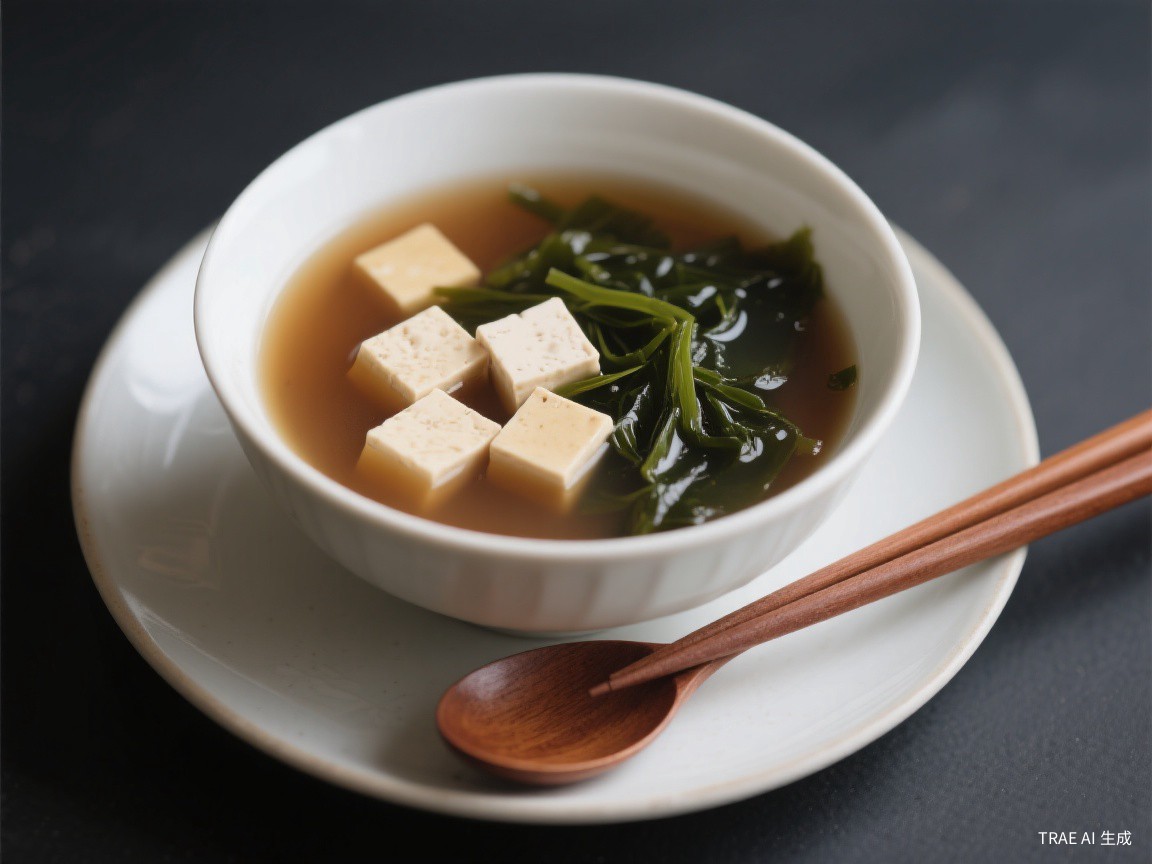
Why does the smell of cinnamon instantly transport you to your grandmother's kitchen? Why do you reach for potato chips when you are stressed, or crave a cold beer on a hot afternoon? The answers to these questions lie not in the food itself but in the extraordinary machinery of the human brain—a system that processes flavor through a tangled web of sensory input, emotional memory, cultural conditioning, and evolutionary programming. Flavor is not simply what happens on the tongue. It is a construction of the mind, assembled in real time from dozens of neural signals, and shaped by every meal you have ever eaten, every emotion you have ever felt, and every culture you have ever encountered.
Flavor vs. Taste: A Critical Distinction
Most people use the words "taste" and "flavor" interchangeably, but neuroscientists draw a sharp distinction between them. Taste refers specifically to the sensations detected by the taste buds on the tongue: sweet, sour, salty, bitter, and umami. These five basic tastes are detected by specialized receptor cells clustered in taste buds, which are distributed across the tongue, palate, and throat. Each taste bud contains fifty to one hundred receptor cells, and the human tongue typically houses between two thousand and ten thousand taste buds.
Flavor, by contrast, is a multisensory experience that integrates taste with smell, texture, temperature, and even sound. In fact, smell accounts for roughly eighty percent of what we perceive as flavor. When you eat a strawberry, what you experience as "strawberry flavor" is primarily the result of aromatic compounds from the fruit traveling through the back of your throat and into your nasal cavity, where they are detected by olfactory receptors. If you hold your nose while eating, you will notice that most foods taste bland and one-dimensional—a striking demonstration of how dependent flavor is on the sense of smell.
Orthonasal vs. Retronasal Olfaction
The human olfactory system operates in two distinct modes, each of which contributes differently to our experience of food. Orthonasal olfaction occurs when we inhale through the nose, detecting odors from the external environment—the smell of baking bread wafting from a bakery, the aroma of coffee brewing in the morning. Retronasal olfaction occurs when we chew and swallow, pushing aromatic compounds from the food in our mouths up through the nasopharynx and into the nasal cavity from behind.
These two pathways are processed by different regions of the brain. Orthonasal smells are routed primarily through the olfactory bulb and associated with the external world—they tell us what is out there. Retronasal smells are routed through areas of the brain connected to taste, emotion, and memory—they tell us what we are eating. This neurological distinction explains why the smell of a food cooking can be pleasant while the experience of eating it is disappointing, or vice versa. The brain treats the information from these two pathways as fundamentally different kinds of knowledge.
"The smell and taste of things remain poised a long time, like souls, ready to remind us, waiting and hoping for their moment, amid the ruins of all the rest."
— Marcel Proust, In Search of Lost Time
Proust's Madeleine: Memory and the Flavor-Emotion Connection
Marcel Proust's famous passage about the madeleine—the small, shell-shaped cake that triggers an overwhelming flood of childhood memories when dipped in tea—is perhaps the most celebrated literary description of the flavor-memory connection. But what Proust described with such poetic precision, modern neuroscience has confirmed with increasing rigor: the olfactory system has a direct, anatomical connection to the amygdala and hippocampus, the brain structures responsible for processing emotion and forming memories.
This direct neural pathway is unique among the senses. Visual information, for example, is routed through the thalamus before reaching the amygdala, giving the brain time to process and contextualize what it sees. Olfactory information bypasses this relay station entirely, traveling directly from the olfactory bulb to the limbic system. This is why smells—and by extension, flavors—can trigger memories and emotions with a speed and intensity that no other sensory experience can match. The scent of a particular spice, the taste of a childhood dish, the aroma of a holiday meal: these can bypass rational thought entirely and plunge us into a vivid, emotional recollection of a moment we may not have consciously thought about in years.
Food memories are among the most powerful and enduring memories we possess. Research has shown that food-related memories are more vivid, more emotionally charged, and more resistant to forgetting than memories associated with other sensory experiences. This is partly because eating is inherently multisensory—the combination of taste, smell, texture, temperature, and visual presentation creates a richer neural encoding than any single sense could achieve alone. It is also because eating is deeply connected to our most fundamental needs and emotions: hunger, satisfaction, love, comfort, celebration, and grief.

The Science of Comfort Food
The concept of comfort food—foods that provide emotional solace, typically associated with childhood, home, or moments of stress—has been the subject of extensive psychological research. Studies have consistently shown that people turn to comfort foods in response to negative emotions such as loneliness, anxiety, and sadness, and that consuming these foods activates reward circuits in the brain, producing temporary relief from emotional distress.
The neurochemistry of comfort food is closely related to that of addiction. High-fat, high-sugar foods trigger the release of dopamine, serotonin, and endogenous opioids in the brain—the same neurotransmitters involved in the response to drugs of abuse. This does not mean that comfort food is literally addictive in the clinical sense, but it does explain why cravings for specific foods can feel so intense and so difficult to resist. The brain has learned to associate these foods with emotional relief, and it drives us to seek them out when we are in need of comfort.
Psychology Tip
Research suggests that the comfort food effect is strongest when people eat alone. When we eat comfort foods in social settings, the emotional regulation provided by social interaction partially substitutes for the psychological benefits of the food itself. This may explain why we are most likely to binge on ice cream or chips late at night, when we are alone and unoccupied.
Cultural Differences in Comfort Food
Comfort food preferences are profoundly shaped by cultural background. In the United States, comfort foods tend to be warm, soft, and carbohydrate-rich: macaroni and cheese, mashed potatoes, chicken soup, chocolate chip cookies. In Japan, comfort foods include ramen, onigiri (rice balls), and oden (a warming winter stew). In India, khichdi—a simple dish of rice and lentils—is considered the ultimate comfort food, often served to the sick or the homesick. In Mexico, pozole and tamales fulfill a similar role.
These cultural differences reveal that comfort food is not merely about the chemical properties of the food itself. It is about the meanings and associations that the food carries—the memories of family meals, the warmth of a mother's kitchen, the security of familiar rituals. A bowl of pho may be deeply comforting to a Vietnamese person but emotionally neutral to someone who did not grow up with it. The flavor of the soup is the same, but the psychological context is entirely different.
The Crunch Preference: Why We Love Things That Go Snap
One of the most puzzling aspects of human food preference is our love of crunchy textures. Potato chips, crackers, toast, fried chicken, carrots, apples—humans are drawn to foods that produce a satisfying sound when bitten. This preference is so widespread that food scientists have studied it extensively, and their findings reveal a fascinating interplay between auditory perception, oral sensation, and psychological satisfaction.
Research conducted at the University of Oxford found that the perceived freshness and quality of a food is significantly influenced by the sound it makes when chewed. In one experiment, participants rated potato chips as crisper and fresher when the sound of their crunching was amplified through headphones, even though the chips themselves were identical. When the crunching sound was muffled, participants rated the same chips as stale and unappetizing. This demonstrates that our perception of food quality is not determined by taste and texture alone but is shaped by the entire multisensory experience of eating.
Evolutionary psychologists have proposed that the crunch preference may have adaptive roots. In nature, crispness is often associated with freshness: a crisp apple is ripe and nutritious, while a mealy one is past its prime. A crisp vegetable is likely to be fresh-picked, while a limp one has been sitting around. Our ancestors may have learned to associate crunchiness with nutritional quality, a preference that persists in our love of potato chips and cornflakes long after the evolutionary rationale has been rendered obsolete by modern food processing.
Color Psychology in Food
The visual appearance of food profoundly influences our perception of its flavor, often in ways that contradict rational analysis. Color is perhaps the most powerful visual cue: we expect red foods to taste sweet (strawberries, cherries, watermelon), green foods to taste sour or vegetal (limes, green apples, lettuce), and white foods to taste mild (rice, bread, vanilla). When these expectations are violated, the brain struggles to reconcile the visual information with the taste information, often resulting in confusion or aversion.
A classic demonstration of this effect involves serving people a vanilla pudding that has been dyed bright red. Many subjects, expecting cherry or strawberry flavor based on the color, report tasting fruit even though the pudding contains no fruit flavoring whatsoever. Conversely, when a cherry-flavored drink is dyed green, many people report difficulty identifying the flavor, even though the chemical taste compounds are identical to those in the red version. The brain's flavor-processing system is so strongly influenced by visual input that it can override the signals coming from the tongue and nose.
- Red: Associated with sweetness, ripeness, and energy. Red foods tend to be perceived as sweeter than they actually are.
- Green: Associated with freshness, health, and sourness. Green foods are perceived as healthier but less indulgent.
- Yellow: Associated with happiness, tartness, and citrus. Yellow foods are perceived as cheerful and refreshing.
- Blue: Rare in nature and often associated with spoilage or artificiality. Blue foods tend to suppress appetite.
- White: Associated with purity, simplicity, and mildness. White foods are perceived as safe and neutral.
- Black: Associated with sophistication, richness, and intensity. Black foods are perceived as indulgent and complex.
Why Spicy Food Is Addictive
Perhaps the most counterintuitive aspect of human food preference is our love of spicy food. Capsaicin, the compound that gives chili peppers their heat, is not a taste at all—it is a chemical irritant that activates the TRPV1 pain receptors in the mouth and throat, the same receptors that detect physical heat and abrasion. In purely sensory terms, eating a chili pepper is a painful experience. Yet humans not only tolerate this pain but actively seek it out, and spicy food is consumed by billions of people worldwide.
The explanation lies in the brain's pain management system. When capsaicin activates TRPV1 receptors, the brain responds by releasing endorphins—the body's natural painkillers—which produce a mild euphoria. This endorphin rush is the same mechanism that makes exercise feel good after the initial discomfort, and it explains why spicy food can be so deeply satisfying. The pain of the chili is real, but the brain's response to that pain is pleasurable, creating a feedback loop that encourages repeated consumption.
Cultural factors also play a significant role in spicy food preferences. In regions where chilies are native—Central America, South Asia, Southeast Asia—spicy food has been a dietary staple for centuries, and children are gradually introduced to heat from an early age. The cultural normalization of spicy food demonstrates a fundamental principle of food psychology: our food preferences are not fixed at birth but are shaped by repeated exposure, cultural context, and social learning. A food that is painful to a novice can become a source of intense pleasure to someone who has learned to appreciate it.
The Complexity of Craving
Every craving is a story—a narrative woven from biology, memory, emotion, and culture. When you crave a specific food, you are not simply responding to a nutritional need. You are responding to a complex web of neural associations that link that food to moments of pleasure, comfort, belonging, or excitement. Understanding the psychology of flavor does not diminish the magic of eating. If anything, it deepens it, revealing the extraordinary complexity of the mental processes that transform the simple act of consuming food into one of the richest and most meaningful experiences in human life.
The next time you find yourself craving something specific—a bowl of soup on a rainy day, a piece of chocolate after a difficult meeting, the crunch of a potato chip in the quiet of the night—take a moment to consider what lies behind that craving. It is not weakness. It is not gluttony. It is the accumulated wisdom of a brain that has spent a lifetime learning what nourishes not just the body, but the soul.
Explore More Food Science
Discover the fascinating intersection of science, culture, and cuisine in our collection of food culture articles.
Read More Culture Articles