For thousands of years, humanity recognized four tastes: sweet, sour, salty, and bitter. Then, in 1908, a Japanese chemist sitting at his dinner table noticed something the entire culinary world had overlooked. The dashi broth his wife had prepared from kombu seaweed possessed a distinct, deeply satisfying flavor that fit none of the established categories. That moment of curiosity would ultimately reshape our understanding of taste, launch a global seasoning industry, and reveal the molecular secret behind many of the world's most beloved dishes.
The Moment of Discovery
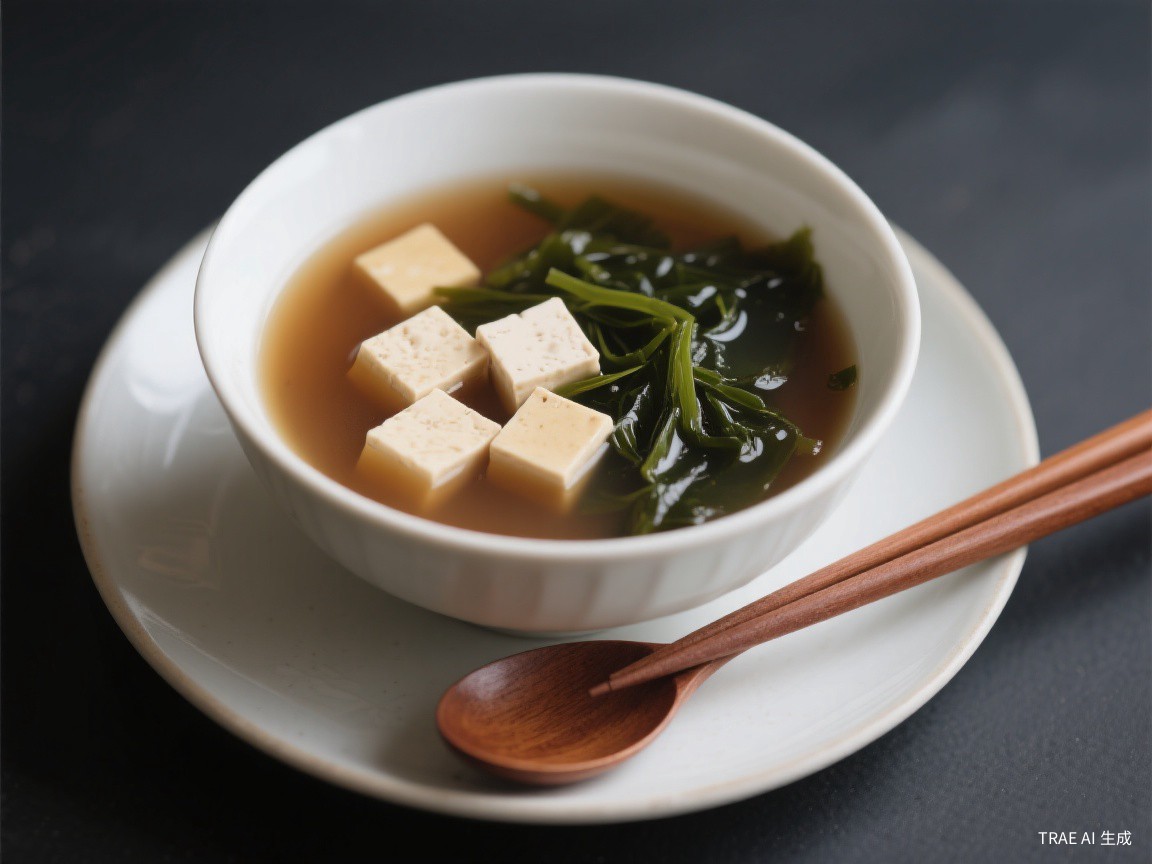
Kikunae Ikeda was a professor of chemistry at Tokyo Imperial University when he experienced what scientists sometimes call the most productive meal in food science history. As he savored his wife's tofu soup, enriched with a broth made from kombu—a thick, dark seaweed harvested from the cold waters of northern Japan—he became fixated on a particular quality in the taste. It was not salty, though salt was present. It was not sweet, sour, or bitter. It was something else entirely, something he would later describe with a Japanese word that had existed in the culinary lexicon for centuries but had never received scientific attention: umami, which roughly translates to "a pleasant savory taste" or "deliciousness."
Ikeda's scientific training compelled him to investigate. He began collecting kombu from various sources and systematically analyzing its chemical composition in his laboratory. After months of meticulous work, he isolated the compound responsible: glutamic acid, an amino acid that occurs naturally in many protein-rich foods. When glutamic acid is in its free form—unbound to other amino acids in a protein chain—it triggers a specific taste sensation on the human tongue. Ikeda published his findings in 1908 in the Journal of the Chemical Society of Tokyo, formally proposing umami as the fifth basic taste.
"The taste of a substance with which one is familiar is often taken for granted, and the question of what gives it its particular flavor is seldom raised. It was the taste of dashi that first led me to consider this problem."
— Kikunae Ikeda, 1908
The Science of Glutamate
To understand umami at a molecular level, it helps to distinguish between glutamic acid and glutamate. Glutamic acid is one of the twenty standard amino acids that serve as the building blocks of proteins in virtually all living organisms. When proteins break down—through fermentation, cooking, aging, or enzymatic action—glutamic acid is released in its free form as glutamate. This free glutamate is what our taste receptors detect as umami.
The human tongue is equipped with specialized taste receptor cells known as T1R1 and T1R3. When glutamate molecules bind to these receptors, they trigger a signal to the brain that registers as a distinct taste experience. Remarkably, umami receptors are especially sensitive to glutamate when it is paired with certain nucleotides—specifically inosinate, found in dried bonito flakes and meat, and guanylate, found in dried shiitake mushrooms. This synergistic effect explains why combining ingredients like kombu and bonito, as Japanese cooks have done for centuries, produces a flavor far more intense than either ingredient alone.
Science Tip
The umami synergy between glutamate and nucleotides can multiply perceived flavor intensity by up to eight times. This is why dashi, made with both kombu (glutamate) and bonito flakes (inosinate), tastes so much richer than either component on its own.
How Umami Receptors Work
Modern molecular biology has confirmed what Ikeda suspected over a century ago. The T1R1 and T1R3 receptors form a heterodimer—a paired protein complex—on the surface of taste bud cells. When glutamate binds to the Venus flytrap domain of this receptor, it activates a G-protein signaling cascade that ultimately sends a nerve impulse to the gustatory cortex of the brain. This is the same pathway used by sweet, bitter, and umami tastes, which is one reason these three categories share certain perceptual qualities, such as a lingering aftertaste.
Interestingly, umami detection may have evolved as a survival mechanism. Glutamate is abundant in protein-rich foods, so the ability to perceive umami likely helped early humans identify nutritious food sources. Breast milk, notably, is rich in free glutamate, which may explain why humans are born with a preference for umami flavors before they ever encounter sweet or salty ones.
From Discovery to MSG: The Invention and Controversy
Ikeda did not stop at identifying glutamic acid. Recognizing its commercial potential as a seasoning, he developed a method for producing monosodium glutamate (MSG)—the sodium salt of glutamic acid—on an industrial scale. He patented the process in 1909 and, together with business partner Saburosuke Suzuki, founded the company Ajinomoto, which means "the essence of taste." The product was an immediate success in Japan, where it was marketed as a way to enhance the flavor of home cooking without the expense of making dashi from scratch.
MSG spread rapidly throughout East Asia and eventually the world. By the 1930s, it was being used in processed foods across the United States and Europe. Its ability to intensify savory flavors made it invaluable to the growing food manufacturing industry, and it remains one of the most widely used seasonings on the planet today, with annual global production exceeding three million tons.
The MSG Controversy
Despite its widespread use, MSG has been the subject of intense controversy since 1968, when a letter published in the New England Journal of Medicine described a set of symptoms—including headaches, flushing, and numbness—that the author experienced after eating at Chinese restaurants. The condition was dubbed "Chinese Restaurant Syndrome," and MSG was immediately implicated as the cause.
Decades of subsequent research, however, have failed to establish a consistent link between MSG consumption and the reported symptoms. Multiple double-blind, placebo-controlled studies have found that individuals who claim to be sensitive to MSG cannot reliably distinguish between foods containing MSG and those without it. The U.S. Food and Drug Administration, the European Food Safety Authority, and the World Health Organization have all classified MSG as safe for general consumption. The original panic, many scientists now argue, was fueled as much by xenophobia and media sensationalism as by any genuine physiological effect.
Natural Sources of Umami
While MSG is the most concentrated source of umami, the fifth taste is present in a remarkable variety of everyday foods. Understanding these natural sources allows cooks to build umami into dishes without reaching for a seasoning packet, creating depth and complexity through ingredient selection alone.
- Kombu seaweed: The highest natural source of glutamate, containing up to 2,200 milligrams per 100 grams. It forms the backbone of Japanese dashi broth.
- Parmesan cheese: Aged Parmigiano-Reggiano is extraordinarily rich in free glutamate, with levels reaching 1,200 to 1,600 milligrams per 100 grams. The longer the cheese ages, the more proteins break down into free amino acids.
- Tomatoes: Especially when ripe and cooked, tomatoes are a potent umami source. Sun-dried tomatoes and tomato paste concentrate this effect dramatically.
- Shiitake mushrooms: Dried shiitake mushrooms are particularly high in guanylate, a nucleotide that synergizes with glutamate to amplify umami perception.
- Anchovies and fish sauce: Fermented fish products are loaded with free glutamate, which is why a small amount of anchovy paste or fish sauce can transform a dish without adding a discernibly fishy flavor.
- Marmite and Vegemite: These yeast extract spreads are essentially concentrated umami, with glutamate levels that rival pure MSG.
- Beef and pork: Slow-cooked meats develop umami as their proteins break down during extended cooking, which explains why braised short ribs and pulled pork taste so deeply satisfying.
How Chefs Harness Umami
Professional chefs have long understood umami intuitively, even before the science was widely known. The classical French technique of reducing stocks to concentrate flavor is, at its core, an umami amplification strategy. A demi-glace made by reducing veal stock by a factor of ten is essentially a glutamate concentrate, which is why it adds such extraordinary depth to sauces.
Modern chefs approach umami with even greater precision. Ferran Adria famously used spherification and other techniques to deliver concentrated bursts of umami, while Japanese kaiseki masters build entire multi-course menus around the progression of umami flavors, starting with subtle expressions in clear soups and building toward richer, more intense forms in grilled and simmered dishes.
Practical Umami Strategies for Home Cooks
- Layer umami sources: Combine ingredients from different umami categories—such as tomatoes with parmesan, or mushrooms with soy sauce—to exploit the synergistic effect between glutamate and nucleotides.
- Use fermentation: Fermented foods like miso, soy sauce, fish sauce, and aged cheeses are naturally rich in free glutamate because the fermentation process breaks down proteins.
- Brown your ingredients: The Maillard reaction, which occurs when proteins and sugars are heated together, creates new flavor compounds that enhance umami perception.
- Reduce your sauces: Simmering a sauce to reduce its volume concentrates glutamate and other flavor compounds, intensifying the umami character.
- Add a finishing touch: A sprinkle of grated parmesan, a dash of fish sauce, or a few drops of soy sauce added at the end of cooking can elevate a dish without altering its fundamental character.
The Legacy of a Fifth Taste
More than a century after Kikunae Ikeda's dinner-table epiphany, umami has become an essential concept in both professional kitchens and home cooking. It has transformed our understanding of flavor, provided a scientific foundation for culinary traditions that had been refined through centuries of trial and error, and given us a vocabulary for something we had always experienced but could never quite name.
The story of umami is ultimately a reminder that the most profound discoveries often begin with the simplest questions. Why does this taste good? What makes it satisfying? By having the curiosity to ask—and the discipline to investigate—Ikeda unlocked a dimension of human sensory experience that enriches every meal we eat. The next time you savor a perfectly aged cheese, a rich tomato sauce, or a steaming bowl of miso soup, you are, in a very real sense, tasting the legacy of a chemist who dared to wonder what made his wife's cooking so extraordinary.
Explore More Food Science
Dive deeper into the science behind the flavors you love with our collection of food culture articles.
Read More Culture Articles