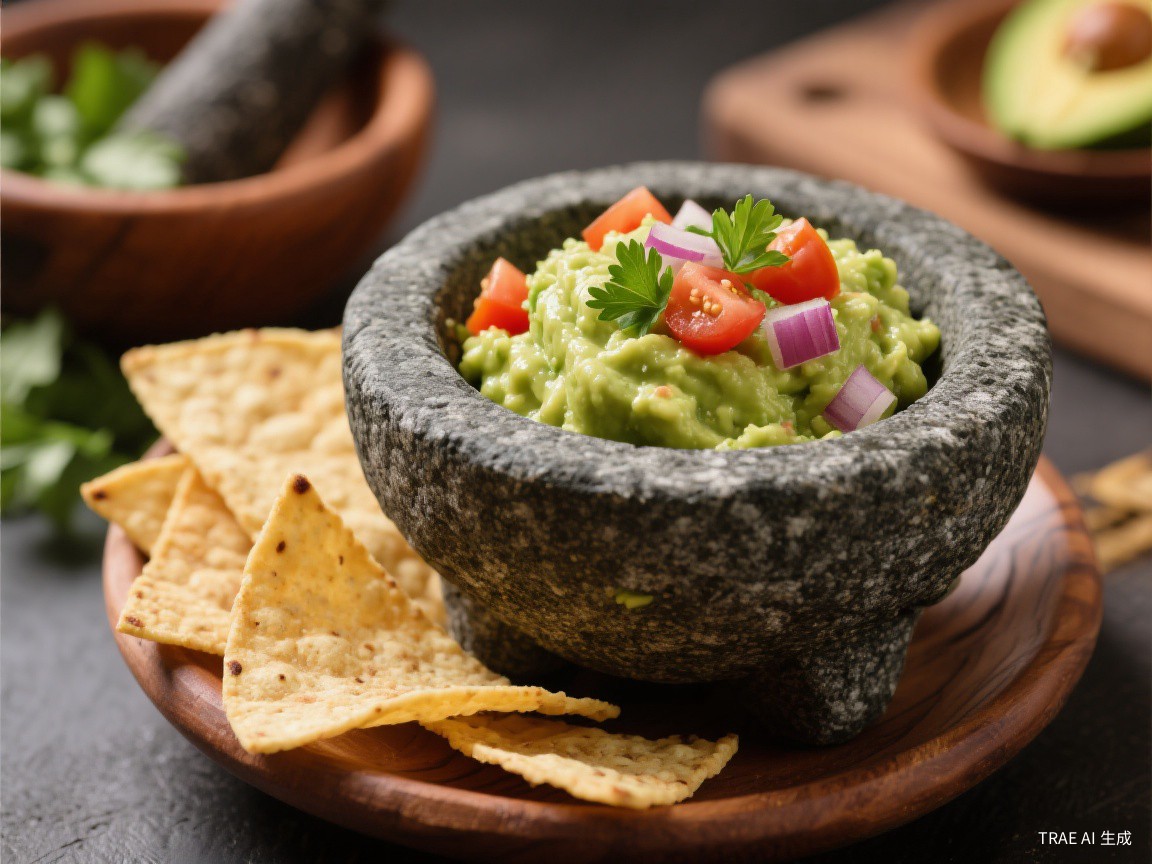
In my family's kitchen in Oaxaca, guacamole was never a party dip. It was a daily ritual—a condiment placed on the table alongside salt, salsa, and tortillas at every meal. My mother made it the same way every time: three avocados, a handful of cilantro, the juice of one lime, half a white onion, and a single serrano chili, all mashed together in a volcanic stone molcajete that had been in our family for three generations. No tomatoes, no garlic, no sour cream. The result was vivid, bright, and unmistakably alive—a dish that tasted like the garden it came from. That simplicity is the soul of genuine guacamole, and it is the standard against which every version should be measured.
The Avocado: Understanding Your Canvas
Everything about guacamole begins and ends with the avocado, and not just any avocado will do. The Hass avocado—small, dark, with pebbly skin that turns nearly black when ripe—is the undisputed king of guacamole for good reason. Its flesh is exceptionally creamy, with a fat content of around twenty percent that gives guacamole its luxurious mouthfeel. Its flavor is rich, nutty, and slightly buttery, providing the perfect backdrop for the sharper ingredients that accompany it.
Compare this to the Florida avocado, also known as the Fuerte or Bacon variety, which is larger, smoother, and bright green even when ripe. Florida avocados contain significantly less fat—sometimes as little as five percent—which means they produce a watery, bland guacamole that lacks the creamy richness people expect. They are wonderful in salads and sandwiches, where their mild flavor and firm texture are assets, but for guacamole, they are simply the wrong tool for the job.
How to Select a Perfect Avocado
Selecting ripe avocados is the single most important skill in guacamole making, and it is a skill that trips up even experienced cooks. The ideal avocado for guacamole should yield to gentle pressure when squeezed, similar to the firmness of a ripe peach. If it feels rock hard, it is days away from being ready. If it is soft and mushy, it is past its prime and likely to have brown spots inside. The sweet spot is that narrow window where the skin has darkened to a deep purplish-black and the flesh gives slightly under your thumb without collapsing.
Chef's Tip
Buy avocados two to three days before you plan to make guacamole. Look for ones that are still firm and dark green, then let them ripen at room temperature in a paper bag alongside a banana or apple. These fruits release ethylene gas, which accelerates ripening. Check them daily—they can go from perfect to overripe in a matter of hours.
The Lime Question: Timing Is Everything
Lime juice in guacamole serves two purposes: flavor and preservation. Its bright acidity cuts through the avocado's richness and adds a tangy brightness that makes the dip addictive. Its ascorbic acid also slows the oxidation process that turns avocado flesh brown when exposed to air. But here is the detail that most recipes get wrong: when you add the lime juice matters enormously.
Many recipes instruct you to squeeze lime juice over the avocado immediately after cutting it open, before mashing. This approach maximizes the anti-browning effect but actually diminishes the lime's flavor contribution. The reason is that avocado fat coats the tongue and can mute acidic flavors. If the lime juice is thoroughly incorporated into the avocado before the other ingredients are added, some of its brightness gets lost in that fatty matrix. Instead, add half the lime juice when you mash the avocado, then taste and add the remaining juice at the end, adjusting until the balance feels right. This two-stage approach ensures both preservation and perceptible brightness.
"Guacamole is not a recipe you follow. It is a conversation you have with your ingredients. You taste, you adjust, you taste again. The avocados are different every time, so your guacamole should be different every time too."
— Chef Elena's grandmother, Oaxaca
Onions: White, Red, or Something Else Entirely
The type of onion you use in guacamole is a decision that reveals something about where you learned to make it. In central and southern Mexico, where guacamole originated, white onion is the standard. White onions are sharp, crisp, and slightly sweet when raw, with a clean pungency that complements the creamy avocado without overpowering it. They provide the textural contrast that makes guacamole interesting to eat—those little crunchy bits of onion against the smooth, buttery avocado are part of what keeps you reaching for another chip.
In northern Mexico and much of the American Southwest, you will find guacamole made with red onion. Red onions are milder and slightly sweeter than white, with a beautiful color that adds visual appeal to the finished dip. They work well, particularly if you prefer a gentler onion flavor. Some cooks even soak their diced onion in cold water for ten minutes before adding it, which mellows the bite further and removes some of the harsh sulfur compounds that can overwhelm delicate flavors.
To Rinse or Not to Rinse
- Unrinsed white onion: Sharpest flavor, most traditional, best for adventurous palates
- Rinsed white onion: Milder bite, retains crunch, a good compromise
- Red onion unrinsed: Beautiful color, moderate pungency, slightly sweet
- Red onion rinsed: Mildest option, best for those sensitive to raw onion
- Scallions: Non-traditional but increasingly popular, offering a mild, green flavor
Serrano vs. Jalapeno: Choosing Your Heat
The chili pepper in guacamole is not there to make it spicy—or at least, not primarily. Its role is to add a bright, grassy, vegetal flavor that lifts the entire dish and prevents it from tasting flat. The heat is secondary, a pleasant warmth that builds gradually rather than a searing burn that demands a glass of water.
Serrano peppers are the traditional choice in Mexico, and for good reason. They are smaller and thinner than jalapenos, with a brighter, more complex flavor that some describe as "green" or "herbal." Their heat level is higher than jalapenos—typically two to three times hotter on the Scoville scale—but because they are used in small quantities, the overall spiciness of the guacamole remains moderate. The key is to remove the seeds and veins, which contain the highest concentration of capsaicin, and mince the pepper finely so its flavor disperses evenly throughout the dip.
Jalapenos are a perfectly acceptable substitute, especially if serranos are unavailable at your local market. They are larger, fleshier, and milder, with a slightly sweeter, more rounded flavor. A single jalapeno, seeded and minced, will add a gentle warmth that most people find pleasant. For those who truly cannot tolerate any heat, a quarter of a bell pepper can provide the vegetal crunch without the capsaicin, though the result will lack the authentic brightness that a proper chili contributes.
Chef's Tip
Always taste your chili pepper before adding it to the guacamole. Heat levels vary dramatically even within the same variety—a mild serrano from one batch might be twice as hot as one from another. Cut a tiny piece, taste it, and adjust the quantity accordingly. This single habit will save you from many unpleasant surprises.
The Technique: Mash, Don't Puree
One of the most common mistakes home cooks make with guacamole is over-mashing it. A food processor or blender will give you a smooth, uniform paste that might look neat but lacks the textural contrast that makes guacamole satisfying to eat. The goal is a rustic, chunky consistency where some pieces of avocado remain distinct while others are mashed into a creamy base.
The traditional tool is a fork, and it remains the best option for most home cooks. A fork allows you to control the texture precisely—mash firmly for a creamier base, then fold gently to leave larger chunks intact. If you have a molcajete, the volcanic stone mortar used in Mexican cooking for millennia, even better. The rough surface of the stone grinds the avocado beautifully while releasing flavors from any aromatics you have crushed in the bottom first—cilantro stems, a piece of onion, a slice of chili. These ground aromatics create a flavor base that permeates every bite.
Preventing Browning: What Actually Works
Avocado oxidation is the enemy of every guacamole maker. When avocado flesh is exposed to oxygen, an enzyme called polyphenol oxidase triggers a chemical reaction that turns the surface brown. This browning is harmless—it does not affect flavor or safety—but it is unappetizing, and no one wants to serve a grayish bowl of guacamole at a gathering.
Lime juice is the most commonly cited remedy, and it does help, but its effectiveness is often overstated. A thin layer of lime juice on the surface provides some protection, but oxidation will eventually penetrate. The most effective method is to press plastic wrap directly against the surface of the guacamole, eliminating air contact entirely. Combined with lime juice and refrigeration, this technique can keep guacamole looking fresh for up to two days.
Browning Prevention Ranked by Effectiveness
- Plastic wrap directly on surface: The gold standard. Press it down so there are no air pockets.
- Lime juice on surface: Helpful as a secondary measure, especially combined with plastic wrap.
- Avocado pit in the bowl: A popular myth. It protects only the small area of avocado directly beneath it.
- Water barrier: Pour a thin layer of water over the surface before refrigerating. Pour it off and stir before serving. Surprisingly effective.
- Onion on top: Placing onion halves on the surface releases sulfur compounds that slow oxidation slightly.
Serving and Pairing
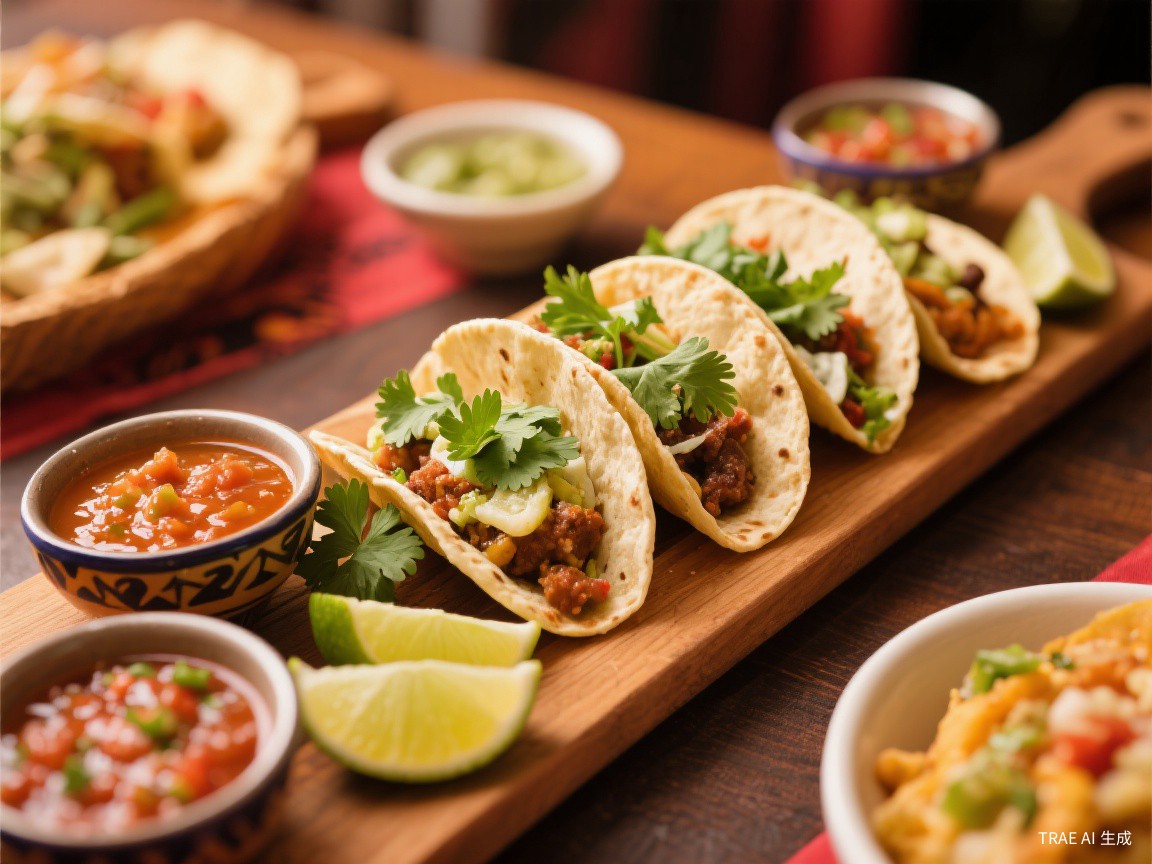
Guacamole deserves better than a bowl of stale tortilla chips from a bag. While chips are the classic vehicle, warm, freshly fried corn tortillas cut into triangles are transformative. If frying at home sounds like too much work, at least warm store-bought chips in a 350-degree oven for five minutes—they will taste infinitely better than room temperature. Beyond chips, guacamole is magnificent on tacos, as a topping for huevos rancheros, spread on a sandwich in place of mayonnaise, or simply eaten with a spoon straight from the bowl.
Ready to Elevate Your Mexican Cooking?
Download our guide to essential Mexican ingredients with sourcing tips and authentic recipes from Oaxaca to Mexico City.
Get the Free Guide