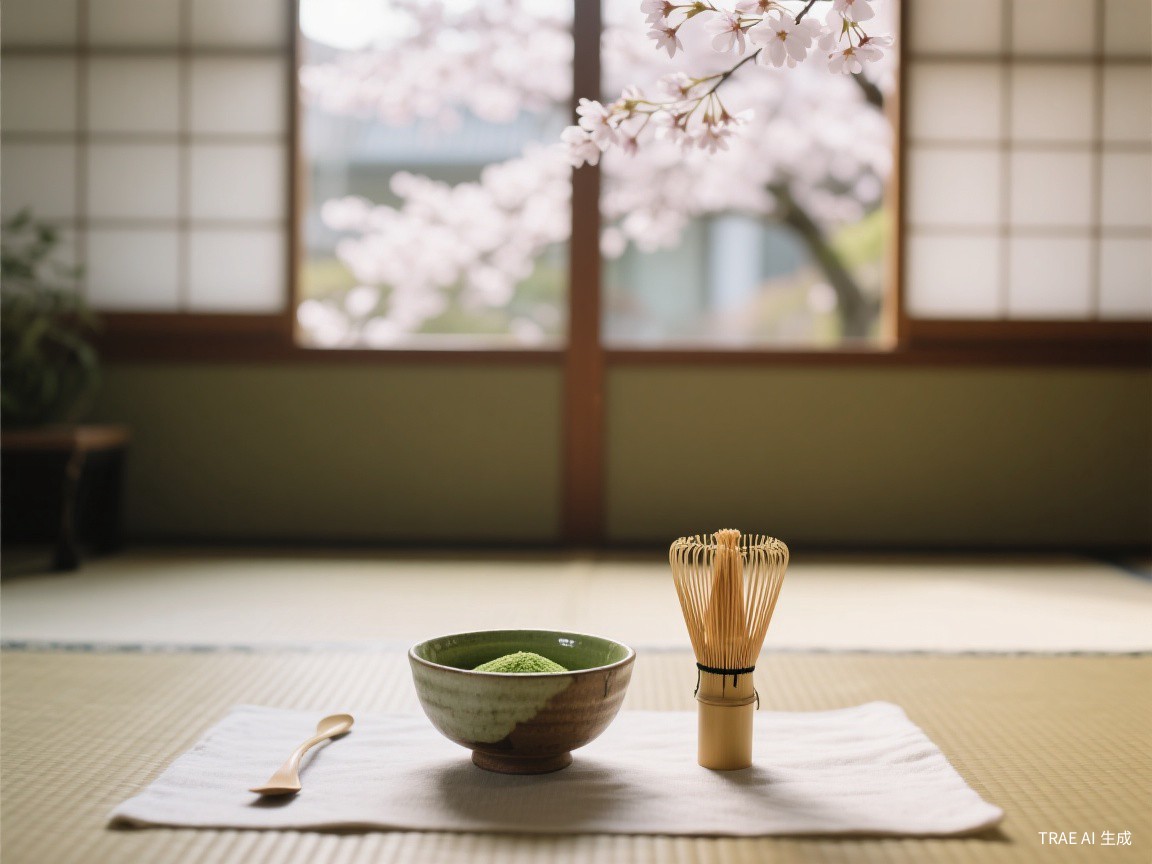
In a quiet room, removed from the bustle of daily life, a ritual unfolds with deliberate grace. The tea master moves with practiced precision, each gesture refined over centuries. This is chado—the Way of Tea—Japan's most profound expression of hospitality, aesthetics, and mindfulness.
The Philosophy of Ichigo Ichie
At the heart of the tea ceremony lies the concept of ichigo ichie—"one time, one meeting." Each tea gathering is unique, never to be repeated exactly. The season, the guests, the flowers, the light—all are ephemeral. This awareness infuses every moment with significance.
The tea ceremony is not merely about drinking matcha. It's a meditation on impermanence, a celebration of the present moment, and an expression of the highest form of hospitality. Every element, from the scroll hanging in the alcove to the seasonal flowers in the vase, is chosen with intention.
The Four Principles
Tea master Sen no Rikyū, who shaped the ceremony in the 16th century, established four guiding principles:
- Wa (Harmony): Harmony between host and guest, between the tea room and nature
- Kei (Respect): Respect for the utensils, the tradition, and each other
- Sei (Purity): Physical and spiritual cleanliness
- Jaku (Tranquility): Inner peace that emerges from the practice
Understanding the Space
Traditional tea rooms are intentionally small and simple. The low entrance requires guests to bow, symbolizing equality—all enter as equals regardless of status. The room contains only what's necessary, embodying the aesthetic of wabi-sabi—beauty in imperfection and simplicity.
The Utensils
Each utensil in the tea ceremony is chosen with care and treated with reverence:
Chawan (Tea Bowl)
The most important utensil. Each bowl has character—perhaps a deliberate imperfection, an interesting glaze, or a crack that's been repaired with gold (kintsugi). The bowl is cradled in both hands when drinking, connecting guest to maker across centuries.
Chasen (Bamboo Whisk)
Carved from a single piece of bamboo, with 80-120 tines. Used to whisk matcha into a frothy emulsion. A new whisk is used for each ceremony.
Chashaku (Tea Scoop)
A simple bamboo scoop, often named by tea masters. Some famous scoops have been passed down for generations.
"The tea ceremony is not about the tea. It's about creating a moment of perfect attention, where host and guest are fully present together. The tea is merely the vehicle."
— Sen no Rikyū
The Ceremony Unfolds
A full tea ceremony can last four hours, though abbreviated versions are common today. The structure includes:
- Kaiseki meal: A light seasonal meal, carefully composed
- Intermission: Guests stroll through the garden
- Thick tea (koicha): Shared from a single bowl
- Thin tea (usucha): Individual bowls for each guest
The Aesthetic of Wabi-Sabi
Tea ceremony aesthetics embrace imperfection. A rustic, hand-molded bowl is valued over a perfectly symmetrical one. A simple wildflower arrangement speaks more eloquently than an elaborate bouquet. This appreciation for the humble and the aged has profoundly influenced Japanese culture.
Experiencing Tea Today
You don't need to study for years to appreciate the tea ceremony. Many temples and cultural centers in Japan offer introductory sessions for visitors. The key is approaching with openness and attention.
Even at home, you can bring elements of the tea ceremony into your life: preparing tea mindfully, creating a simple beautiful space, and sharing the moment fully with guests. The spirit of ichigo ichie—treasuring each encounter—can transform any gathering.