There's something almost magical about sushi. A simple combination of rice, fish, and seaweed that, when done right, becomes one of the world's most refined culinary experiences. But behind that apparent simplicity lies centuries of tradition, meticulous technique, and a deep respect for ingredients.
The Foundation: Understanding Sushi Rice
The word "sushi" actually refers to the rice, not the fish. This tells you everything you need to know about its importance. Perfect sushi rice, or shari, is the foundation upon which everything else is built. Get this wrong, and even the finest fish won't save your sushi.
The journey to perfect rice begins with selection. You need short-grain Japanese rice, specifically cultivated for sushi. Look for varieties like Koshihikari or Calrose. These grains have the right balance of starch content—enough to stick together without becoming gummy.
Chef's Tip
Before cooking, rinse your rice until the water runs clear. This removes excess starch and ensures each grain remains distinct after cooking. Most home cooks skip this step, but it's essential for restaurant-quality results.
The Art of Seasoning
The seasoning mixture, called su, combines rice vinegar, sugar, and salt. The proportions vary by region and chef preference, but a classic ratio is 4:2:1 (vinegar:sugar:salt). The key is adding the seasoning while the rice is still hot, then gently folding it in with a cutting motion using a wooden paddle.
This folding technique, called shari-kiri, serves multiple purposes. It cools the rice quickly, coats each grain evenly with seasoning, and creates the characteristic glossy appearance. The rice should be at body temperature when served—never cold from the refrigerator.
Knife Skills: The Invisible Art
Walk into any serious sushi restaurant, and you'll see an array of knives that would make a samurai envious. The most important is the yanagiba, a long, thin blade designed specifically for slicing fish in a single, smooth motion.
The technique, called hirazukuri, involves pulling the knife toward you in one continuous stroke. This creates a clean cut that preserves the delicate cell structure of the fish. Sawing back and forth, as you might with a Western knife, damages the flesh and affects both texture and appearance.
"A sushi chef's knife is an extension of their soul. Every cut reflects years of practice and an understanding that each piece of fish deserves respect."
— Master Chef Jiro Ono
Selecting and Storing Fish
Not all fish is suitable for raw consumption. The term "sushi-grade" isn't actually regulated, but it generally indicates that the fish has been frozen to kill parasites—a requirement for safety in most countries. Always buy from reputable fishmongers who understand your intended use.
For beginners, start with salmon, tuna, and yellowtail—these are forgiving and widely available. As your skills develop, explore more exotic options like sea urchin (uni), sweet shrimp (ama ebi), and various shellfish.
Fish to Avoid for Beginners
- Freshwater fish: Higher parasite risk; stick to saltwater species
- Mackerel: Requires special preparation to prevent spoilage
- Squid and octopus: Difficult to slice properly without training
The Philosophy of Less
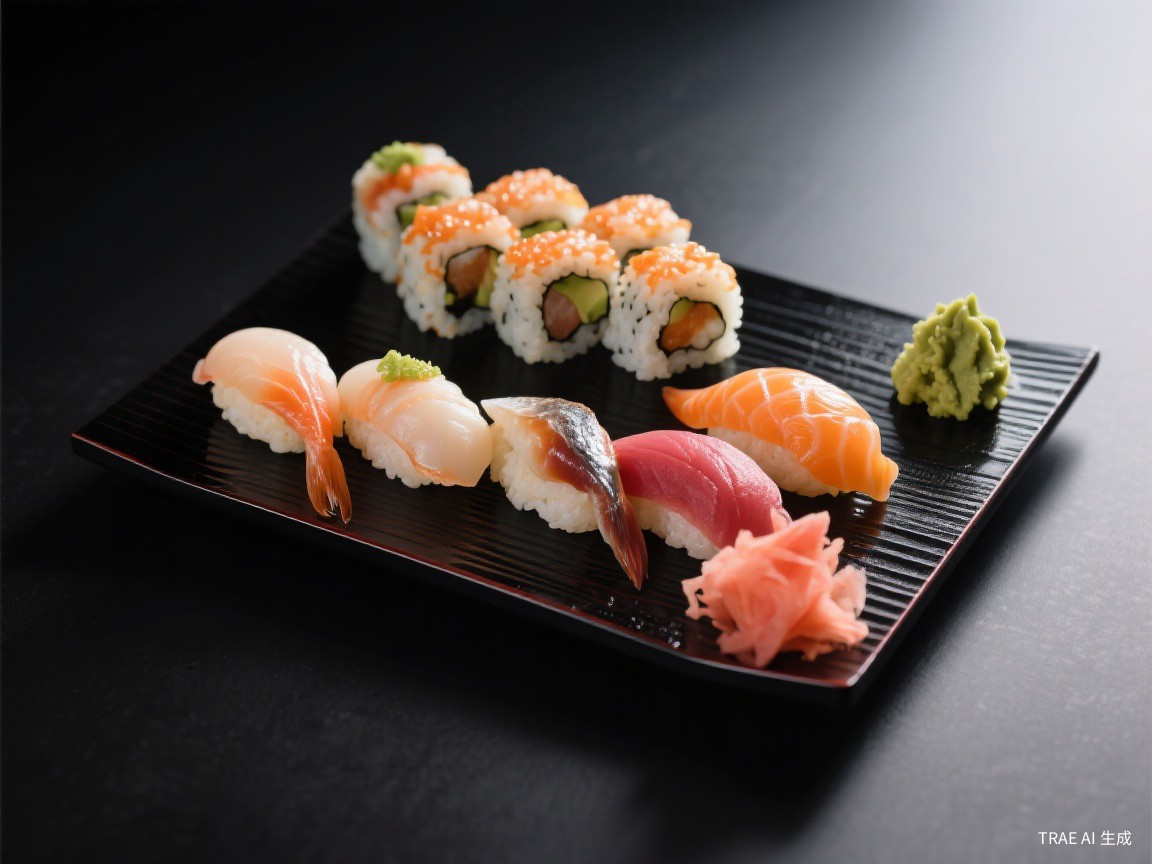
Perhaps the most important lesson in sushi is restraint. Each piece should be small enough to eat in one bite, with just enough wasabi to enhance—not overpower—the fish. The rice should support the topping, not compete with it.
This philosophy extends to the entire experience. A traditional omakase meal progresses through different flavors and textures, building to a climax before finishing with lighter items. It's a carefully choreographed performance where every element has meaning.
Getting Started at Home
You don't need expensive equipment to begin your sushi journey. A sharp knife, a bamboo rolling mat (makisu), and quality ingredients are sufficient. Start with simple rolls (maki) before attempting nigiri, which requires more refined technique.
Practice your rice preparation repeatedly before focusing on fish. Many sushi chefs spend years mastering rice before they're allowed to touch the fish. This foundation will serve you well as you progress to more complex preparations.
Essential Equipment for Home Sushi
- Hangiri: Wooden tub for cooling and seasoning rice
- Shamoji: Wooden rice paddle
- Makisu: Bamboo rolling mat
- Sharp knife: A quality chef's knife works for beginners
- Rice cooker: Ensures consistent results
The Journey Continues
Making sushi is a lifelong pursuit. Even after decades, master chefs continue to refine their technique and deepen their understanding. Approach each session with curiosity and humility, and you'll find that the process itself becomes a form of meditation.
Remember: the goal isn't perfection on your first attempt. It's the gradual improvement that comes from mindful practice and genuine respect for the craft. Your sushi may never match a Tokyo master's, but it can still be delicious, satisfying, and deeply personal.
Ready to Start Your Sushi Journey?
Download our free guide to essential sushi ingredients and where to find them.
Get the Free Guide