The scent of lemongrass and turmeric hitting hot charcoal is one of the most intoxicating aromas in all of Southeast Asian cooking. It announces the arrival of chicken satay—those golden, slightly charred skewers of marinated meat that have become one of the world's most beloved street foods, served everywhere from Jakarta night markets to Bangkok rooftop bars and beyond.
The Indonesian-Malaysian Origin Debate
Ask an Indonesian where satay comes from, and they'll tell you it's theirs. Ask a Malaysian, and they'll say the same. The truth, as with many beloved Southeast Asian dishes, is more nuanced than either claim suggests. Satay's roots likely lie in the Indonesian archipelago, where the dish evolved from Indian kebab traditions brought by Arab and Indian traders who settled in Java and Sumatra centuries ago. The word "satay" itself is believed to derive from the Tamil word "satai," meaning "skewered meat."
The Indonesian island of Madura is often cited as the birthplace of the most iconic version of satay, where it's been a street food staple for generations. Madurese satay vendors push their wooden carts through neighborhoods at dusk, their portable charcoal grills sending plumes of fragrant smoke into the evening air. The Malaysian city of Kajang, meanwhile, has its own celebrated satay tradition, famous for larger skewers and a distinctly sweeter marinade.
Both countries have elevated satay to a national dish, and both versions are extraordinary. The Indonesian style tends to feature a bolder, more complex spice profile with heavier use of coriander and cumin. The Malaysian version often leans sweeter, with more palm sugar and a thicker, richer peanut sauce. Rather than choosing sides, the best approach is to appreciate both traditions and recognize that satay belongs to the entire Malay archipelago—a shared treasure born from centuries of cultural exchange.
"Satay is not just food. It is a gathering. In my village, the satay man's arrival meant the evening had begun—neighbors would appear with plates and rice, and we would eat together under the stars."
— Chef Ahmad
The Lemongrass-Turmeric Marinade
The marinade is where satay's distinctive character is born, and it's a study in the Southeast Asian approach to building flavor through fresh aromatics. Unlike Western marinades that rely heavily on oil and acid, a satay marinade is a paste—a thick, fragrant mixture of fresh herbs and ground spices that coats the meat and permeates every fiber.
Lemongrass is the foundation. Only the tender inner stalks are used, finely minced or pounded in a mortar and pestle until they release their citrusy, floral oils. Fresh turmeric provides the marinade's signature golden color and an earthy, slightly bitter warmth that balances the brightness of the lemongrass. Galangal, a rhizome related to ginger but with a more complex, piney flavor, adds another layer of aromatic depth. Garlic and shallots form the savory base, while a pinch of coriander and cumin contribute warmth and spice.
The liquid component is typically coconut milk, which serves multiple purposes. Its fat content carries the fat-soluble flavor compounds from the spices into the meat. Its natural sugars aid in caramelization during grilling, creating the characteristic charred exterior. And its mild sweetness rounds out the sharp edges of the aromatics, producing a marinade that is complex but harmonious.
Chef's Tip
For the most flavorful satay, marinate the chicken for at least four hours, but ideally overnight. The longer the meat sits in the paste, the deeper the flavors penetrate. However, avoid marinating for more than 24 hours, as the turmeric can begin to break down the texture of the chicken.
The Bamboo Skewer Trick
One of the most common mistakes home cooks make with satay is skipping a crucial preparation step: soaking the bamboo skewers. Dry bamboo skewers placed over hot charcoal will catch fire within minutes, scorching the meat and creating a dangerous situation. The solution is simple but essential—soak the skewers in water for at least thirty minutes before threading the meat.
Some cooks add a splash of oil to the soaking water, which helps the skewers resist charring even further. Others wrap the exposed ends of the skewers in aluminum foil before grilling, providing an extra layer of protection. Both methods work, but soaking alone is usually sufficient for a standard grilling session.
The way you thread the meat onto the skewers also matters more than you might think. Chicken thigh meat, which is preferred over breast for its juiciness and flavor, should be cut into uniform pieces about one inch square. Thread them onto the skewers slightly overlapping, like a stretched accordion, which keeps them secure during grilling and ensures even cooking. Leave a small gap at the bottom of each skewer for a handle, and don't pack the meat too tightly—air circulation between the pieces promotes better charring and more even cooking.
Charcoal Grilling Technique
While you can cook satay on a gas grill or even under the broiler, charcoal is the traditional and overwhelmingly preferred method. The smoke and radiant heat of charcoal create a flavor and texture that no other heat source can replicate. The key is using the right type of charcoal—hardwood lump charcoal rather than briquettes, which burn cleaner and hotter with less chemical aftertaste.
Build your fire and let it burn until the coals are covered with a layer of white-gray ash. This indicates they've reached their optimal temperature—not so hot that they'll incinerate the marinade, but hot enough to sear the chicken quickly and create those desirable charred edges. You should be able to hold your hand about six inches above the coals for roughly four to five seconds before it becomes uncomfortable.
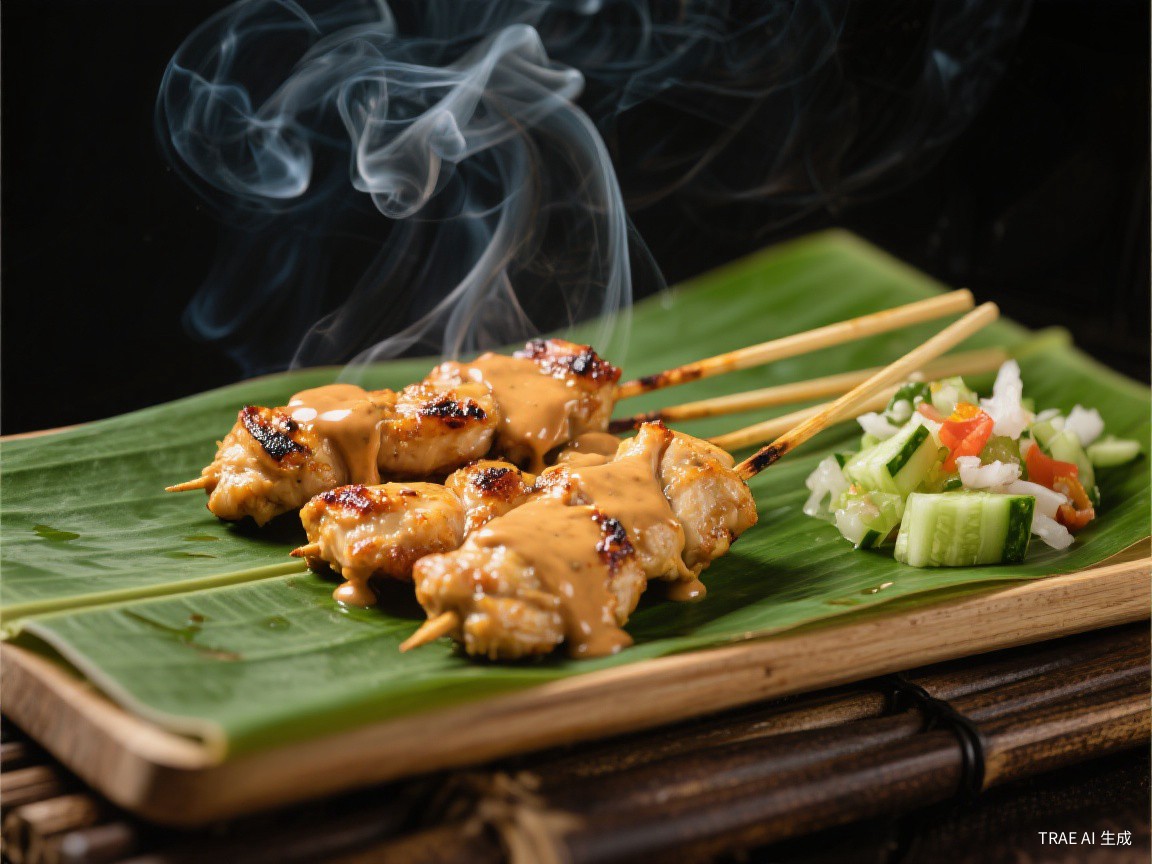
Grill the satay skewers over direct heat, turning them every minute or two to ensure even cooking on all sides. Baste them occasionally with any remaining marinade or a mixture of coconut milk and oil, which keeps them moist and promotes additional caramelization. The entire process takes roughly eight to ten minutes, depending on the size of the chicken pieces and the intensity of the fire. The satay is done when the exterior is golden-brown with charred spots and the juices run clear when the meat is pressed.
Peanut Sauce: Fried vs. Boiled
No discussion of satay is complete without its inseparable companion: peanut sauce. This rich, complex condiment is as important as the skewers themselves, and there are two primary schools of thought regarding its preparation, each producing a distinctly different result.
The Fried Method
In the fried method, ground peanuts are toasted in a dry pan or wok until fragrant and golden, then combined with a spice paste of garlic, shallots, chili, and lemongrass that has been sauteed in oil. Coconut milk is added to create a smooth, creamy sauce, along with palm sugar for sweetness, tamarind for acidity, and fish sauce or shrimp paste for umami depth. This method produces a sauce with a richer, more complex flavor and a slightly thicker consistency. It's the traditional approach in many parts of Indonesia and is favored by cooks who prioritize depth of flavor.
The Boiled Method
The boiled method is simpler and more common in Malaysian and Thai preparations. Pre-roasted peanuts are ground or crushed and simmered directly in coconut milk along with the aromatics and seasonings. This produces a smoother, more homogeneous sauce that is slightly sweeter and less intensely nutty. It's quicker to prepare and more forgiving for beginners, making it an excellent starting point for home cooks attempting satay for the first time.
Whichever method you choose, the quality of the peanuts matters enormously. Use unsalted, roasted peanuts and grind them yourself rather than using commercial peanut butter, which contains added sugars and oils that will throw off the balance of the sauce. The peanuts should be ground to a coarse paste—smooth enough to dip but with enough texture to remind you that this sauce was made from real nuts, not something from a jar.
Acar: The Essential Cucumber Relish
Every proper plate of satay is accompanied by acar, a quick-pickled cucumber relish that provides a crisp, acidic counterpoint to the rich, smoky meat and creamy peanut sauce. The relish is simplicity itself: cucumber and sometimes shallots or red onion, thinly sliced and tossed with rice vinegar, sugar, salt, and a handful of fresh chilies for heat. Some versions include a sprinkle of crushed peanuts for additional texture.
The acar should be prepared at least an hour before serving to allow the flavors to meld, but it's best eaten within a day or two while the cucumber still has some crunch. Its bright acidity cuts through the richness of the peanut sauce and refreshes the palate between bites, making it possible to eat far more satay than you would without it. In Southeast Asian food culture, this kind of contrasting condiment is considered essential—it's not optional garnish but a structural component of the dish.
Serving Your Satay
- With rice cakes (ketupat): Compressed rice cubes wrapped in woven palm leaves, the traditional accompaniment
- With jasmine rice: A simpler alternative that absorbs the peanut sauce beautifully
- With fresh cucumber and onion: Served alongside the acar for additional freshness
- With a squeeze of lime: A final bright touch that ties everything together
Bringing It All Together
Chicken satay is more than a recipe—it's a culinary experience that engages all the senses. The sizzle of meat hitting charcoal, the fragrance of lemongrass and turmeric rising in the smoke, the golden skewers arranged on a plate with pools of peanut sauce and bright pickled cucumber—every element has been refined over generations of street vendors and home cooks who understood that great food doesn't need to be complicated, only thoughtful.
Whether you're grilling over charcoal in your backyard or adapting the recipe for an indoor kitchen, the principles remain the same: start with a fragrant marinade, cook over high heat for maximum caramelization, and serve with a sauce and condiments that balance richness with brightness. Master these elements, and you'll have a dish that transports anyone who tastes it to the bustling night markets of Southeast Asia, where satay has been bringing people together for centuries.
Ready to Grill Perfect Satay?
Download our complete satay guide with marinade ratios, grilling temperature charts, and peanut sauce variations.
Get the Free Guide