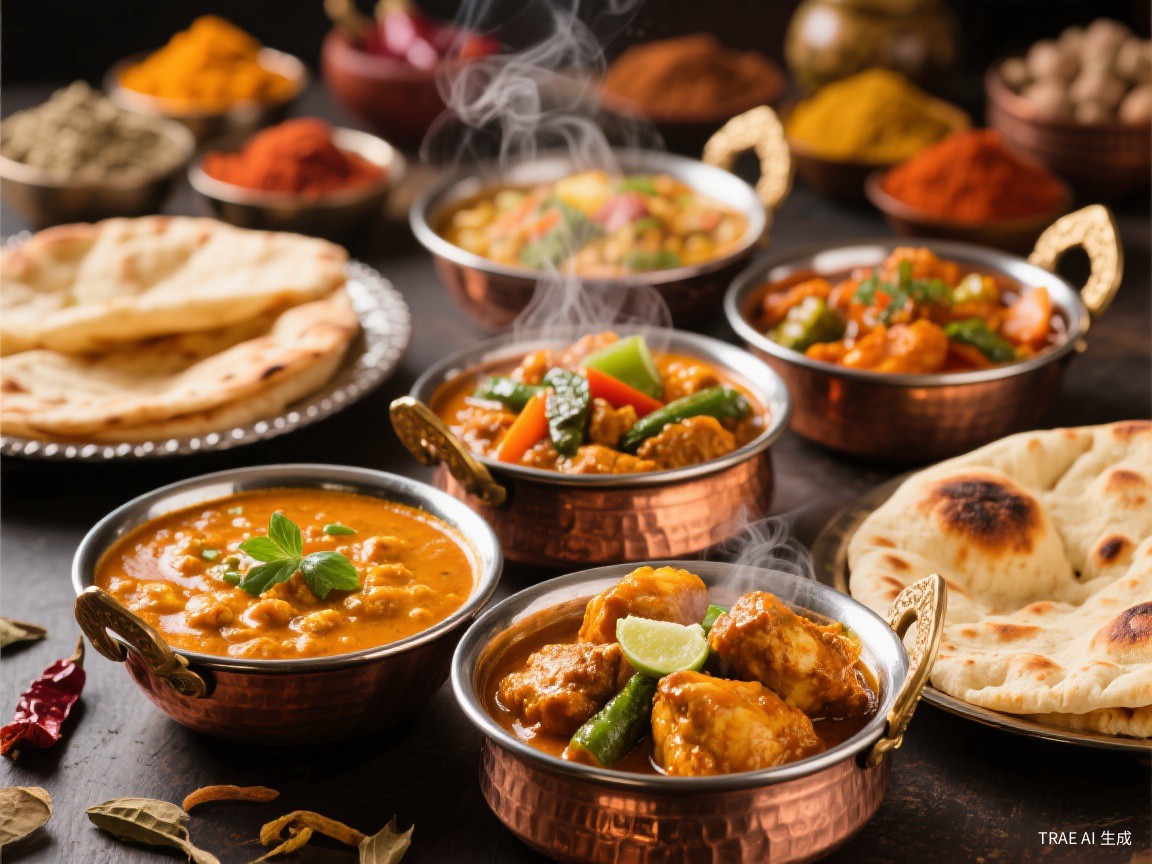
There's a wonderful irony in the fact that Britain's national dish isn't traditionally British at all. Chicken tikka masala represents something beautiful about food: its ability to travel, adapt, and become beloved in places far from its origins. This creamy, spiced curry has conquered hearts across the world, and understanding its secrets reveals much about both Indian technique and British adaptation.
A Dish of Mysterious Origins
The birth of chicken tikka masala is shrouded in competing claims and colorful legends. The most popular story involves a British customer in a Glasgow restaurant who found traditional chicken tikka too dry. The chef, thinking quickly, added tomato soup and spices to create a sauce. Whether true or apocryphal, this tale captures the dish's essence: a marriage of Indian technique and British palate.
What's certain is that the dish emerged in the 1960s or 1970s in Britain's curry houses. Bangladeshi and Pakistani immigrants adapted their traditional recipes for British customers who preferred gravy with their meat. The result was a new dish that belonged to neither culture entirely and both cultures simultaneously.
Chef's Tip
The key to restaurant-quality chicken tikka masala is cooking the chicken separately from the sauce. Marinate and grill the chicken first, then add it to the sauce at the end. This preserves the charred flavor and prevents the meat from becoming rubbery.
The Tikka: Mastering the Marinade
Before there's masala, there's tikka—chunks of meat marinated in yogurt and spices, then cooked in a tandoor, the traditional clay oven. While most home cooks don't have a tandoor, the marinade technique remains essential for authentic flavor.
The marinade typically includes yogurt, lemon juice, ginger, garlic, and a blend of spices including Kashmiri chili powder for color, garam masala for depth, and turmeric for earthiness. The yogurt's acidity tenderizes the meat while its thickness helps the spices adhere. A minimum of four hours is essential; overnight is better.
The Tandoor Effect at Home
Without a tandoor, achieving that characteristic char requires creativity. A very hot grill comes closest, imparting smoky flavor and the essential crispy edges. A broiler works well, though you'll miss the smokiness. Some cooks add a pinch of smoked paprika or a drop of liquid smoke to compensate.
The chicken should be cut into uniform pieces—about one and a half inches—so they cook evenly. Thread them onto skewers for easy handling, leaving space between pieces for heat to circulate. The goal is edges that are slightly charred while the interior remains juicy.
"Chicken tikka masala is Britain's greatest contribution to Indian cuisine. It proves that food, like culture, evolves through encounter and exchange."
— Chef Madhur Jaffrey
Building the Masala Sauce
The sauce is where chicken tikka masala distinguishes itself from other curries. Unlike the dry rub of traditional tikka or the complex layering of a proper curry, this sauce is relatively straightforward: tomatoes, cream, and spices in harmonious balance.
Start with a base of onions, ginger, and garlic, cooked until deeply golden. Add pureed tomatoes or passata, then the spice blend. The spices for the sauce often include cumin, coriander, and paprika, with garam masala added toward the end. A pinch of sugar helps balance the tomatoes' acidity.
The Cream Component
- Heavy cream: Traditional and rich, creates the classic silky texture
- Coconut milk: A lighter alternative with subtle sweetness
- Yogurt: Adds tanginess but can curdle if boiled
- Cashew cream: Vegan option that mimics dairy cream's richness
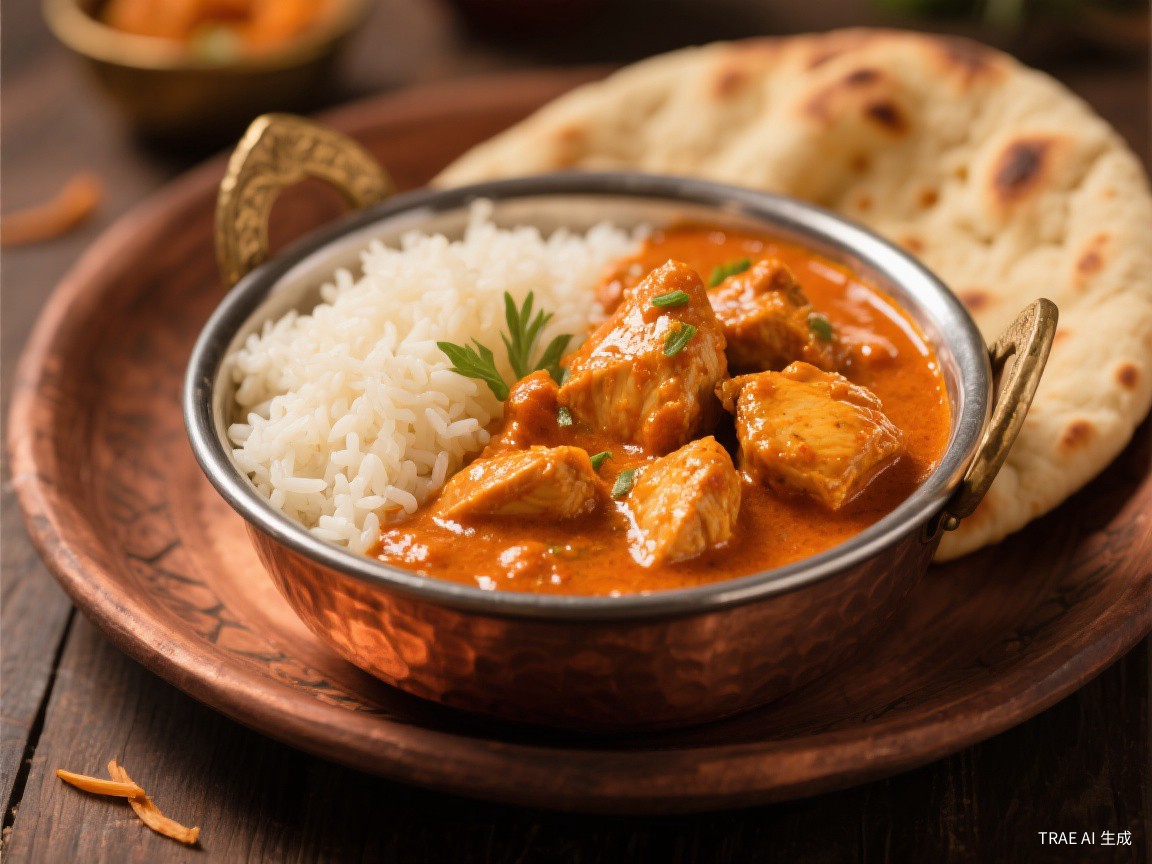
The cream should be added at the end, stirred in gently over low heat. Never boil the sauce after adding cream, or it may separate. The finished sauce should coat the back of a spoon, thick enough to cling to the chicken but still pourable.
The Spice Balance
What separates excellent chicken tikka masala from mediocre versions is spice balance. The dish should be aromatic and mildly spiced, not fiery hot. The heat should build gently, complementing rather than overwhelming the cream's richness.
Garam masala—literally "hot spice mixture"—is typically added toward the end of cooking to preserve its aromatic qualities. Unlike spices added early, which mellow and deepen, garam masala provides a fresh burst of flavor that lifts the entire dish.
Essential Spices for Authentic Flavor
- Kashmiri chili powder: For vibrant color without excessive heat
- Garam masala: A warming blend of aromatic spices
- Ground cumin: Earthy base note
- Ground coriander: Citrusy brightness
- Turmeric: Golden color and subtle earthiness
Serving the Complete Experience
Chicken tikka masala is rarely served alone. Basmati rice, properly prepared—rinsed, soaked, and steamed until each grain is separate—is the traditional accompaniment. The rice should be seasoned lightly, perhaps with a cardamom pod or two, never overpowering the curry.
Naan bread is essential for scooping up sauce. While making naan at home requires a very hot oven or griddle, store-bought versions have improved dramatically. Warm them briefly before serving, brushed with a little butter and perhaps sprinkled with cilantro.
Common Mistakes to Avoid
The most frequent error is overcooking the chicken in the sauce. The tikka should be added at the very end, just long enough to heat through. Extended simmering turns tender meat rubbery and diminishes the charred flavor that makes the dish special.
Another common mistake is under-seasoning the sauce. Because the cream mellows flavors, the sauce needs more salt and spice than you might expect. Taste and adjust repeatedly, adding more garam masala or a squeeze of lemon juice until the balance feels right.
A Dish That Bridges Cultures
Chicken tikka masala represents something larger than itself: the beautiful possibility of cultural exchange through food. It's neither purely Indian nor British, but something new that emerged from their encounter. This adaptability is perhaps why it's become so beloved—it welcomes variation while remaining recognizably itself.
When you make chicken tikka masala at home, you're participating in this ongoing evolution. Each cook adds their own touch, whether it's a splash of cream, a pinch of fenugreek, or a different ratio of spices. The dish welcomes experimentation while rewarding attention to fundamentals.
Master the Art of Indian Curries
Download our complete spice guide with tips for building complex curry flavors at home.
Get the Free Guide