There was a time when the phrase "British cuisine" elicited sympathetic glances from even the most polite dinner companions. London was a city that seemed to take perverse pride in its culinary mediocrity. Today, the British capital stands as arguably the most thrilling food city on the planet, a place where a Michelin-starred tasting menu and a world-class curry exist within the same postcode. The transformation has been nothing short of extraordinary.
The Old Guard: Where It All Began
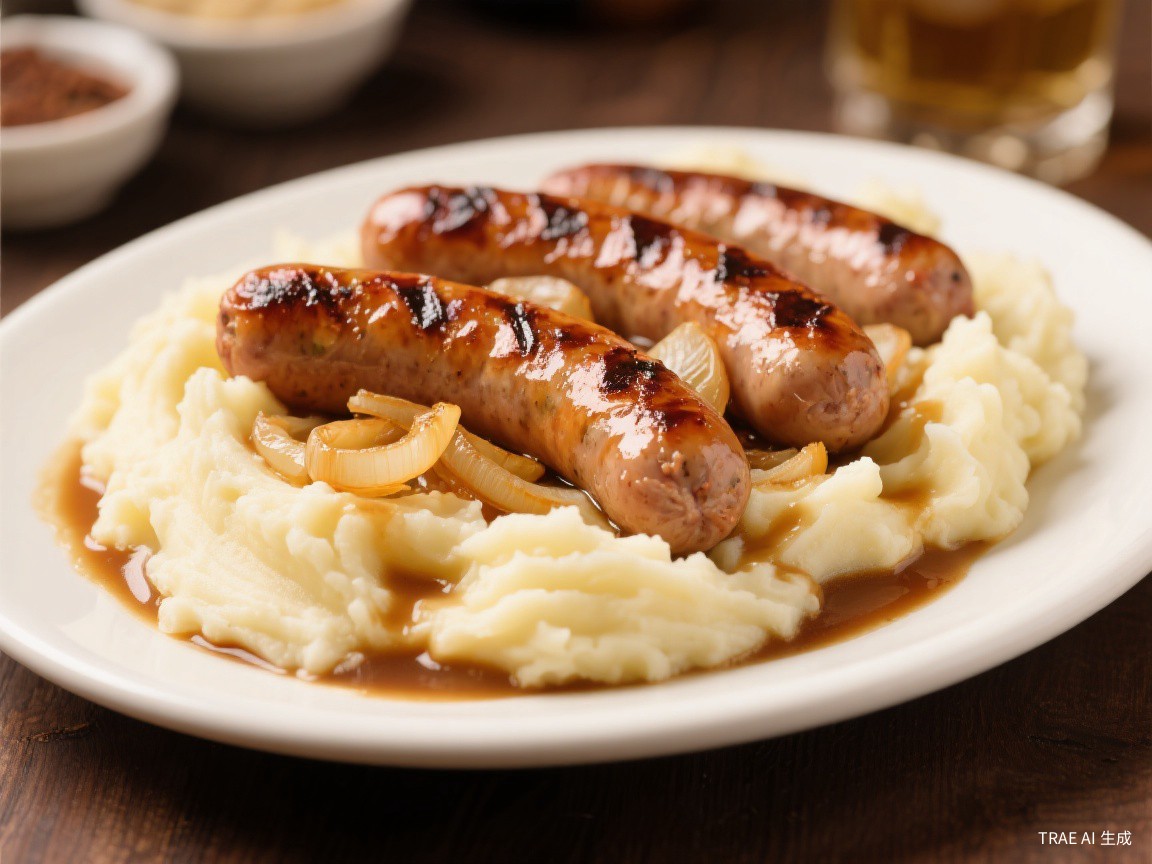
Post-war rationing cast a long shadow over Britain's relationship with food, creating a culture of necessity rather than pleasure. Pubs served functional fare—bangers and mash, fish and chips, Sunday roasts—while restaurants catered to the wealthy with French-inspired menus disconnected from Britain's own heritage. The traditional pub was both savior and prison of British dining, preserving historic dishes while breeding a complacency that stifled innovation for decades.
"London's food scene didn't evolve—it erupted. In the space of two decades, a city once famous for terrible food became the place every ambitious chef wanted to work."
— Gordon Ramsay, on London's culinary transformation
Dishoom: Bombay Cafe Culture Finds a London Home
If there is a single restaurant that encapsulates London's multicultural dining identity, it is Dishoom. Inspired by the Irani cafes of Bombay, this group has been serving Bombay-style food since 2010, and its popularity shows no sign of waning. The queues outside its Covent Garden and Shoreditch locations tell you everything about its cultural impact.
The black daal, simmered for over twenty-four hours and finished with cream and butter, has achieved near-mythical status. The bacon naan roll—a collision of British breakfast and Indian bread-making—has become one of the city's most iconic dishes. The chicken ruby, fragrant with fenugreek and Kashmiri chilies, delivers the kind of deeply spiced comfort that explains why Indian food became Britain's adopted national cuisine.
Insider Tip
Visit Dishoom for breakfast to avoid the notorious evening queues. The morning service offers the full experience with minimal waiting, and the bacon naan roll tastes even better at 9 AM.
St. John: Nose-to-Tail Dining Before It Was Cool
Long before "nose-to-tail eating" became fashionable, Fergus Henderson was serving bone marrow and parsley salad at St. John, the Smithfield restaurant he opened in 1994. This whitewashed dining room, housed in a former smokehouse near London's historic meat market, did more than any other establishment to redefine British cooking. Henderson's philosophy was radical in its simplicity: eat every part of the animal, cook with the seasons, and let quality ingredients speak for themselves.
The roasted bone marrow, served with toast and a sharp parsley-caper salad, remains one of London's essential eating experiences. What made St. John revolutionary was its unapologetically British framing—cooking offal plainly and honestly, without continental sauces, believing that British food deserved to be taken seriously on its own terms.
Borough Market: London's Edible Cathedral
Operating on the south bank of the Thames since the thirteenth century, Borough Market has become the beating heart of London's food culture. On a busy Saturday, over a hundred vendors sell everything from artisanal cheeses and freshly baked bread to rare-breed meats and organic vegetables sourced from across Britain. The market's genius lies in its democratic approach: a celebrated chef shopping for ingredients rubs shoulders with a tourist trying their first Scotch egg.
The quality of produce is extraordinary. British cheeses like Montgomery's Cheddar sit alongside small-batch charcuterie from the Cotswolds and freshly caught seafood from Cornwall. It is a place that reminds you why Britain's larder, long underestimated, deserves genuine respect.
- Monmouth Coffee Company: A Borough Market institution serving single-origin coffees since 1978
- The Ginger Pig: Rare-breed meats from their own Yorkshire farms
- Brindisa: Spain's finest cured meats and cheeses, a testament to London's international palate
Sketch: Where Art Meets Appetite
If St. John represents the stripped-back face of modern British dining, Sketch is its flamboyant opposite. Housed in a Georgian townhouse in Mayfair, Sketch is less a restaurant and more a multi-sensory experience. The Gallery, decorated with rotating contemporary art installations, serves afternoon tea beneath works by David Shrigley and Martin Creed. The food, overseen by chef Pierre Gagnaire, matches the setting's ambition—technically precise, visually stunning dishes that draw on French technique while incorporating global influences.
The Multicultural Engine
London's food revolution cannot be separated from its demographic transformation. Over three hundred languages are spoken here, and every wave of immigration has brought new flavors and traditions. Indian and Pakistani cuisine has been part of London's fabric since the 1950s, evolving from humble Brick Lane curry houses to Michelin-starred restaurants like Gymkhana. Caribbean food, Middle Eastern cuisine through Ottolenghi's delis, and Turkish grills have all been absorbed and reimagined by the city's restless food culture.
The Michelin Invasion
London's Michelin-starred restaurant count has more than doubled in fifteen years. What's remarkable is the variety: from the classical French perfection of Restaurant Gordon Ramsay to the innovative Japanese kaiseki of Umu and the modern British cooking of The Clove Club. Ikoyi earned two stars for West African-inspired fine dining, while A. Wong became the first Chinese restaurant outside Asia to earn two Michelin stars.
- Restaurant Gordon Ramsay: Three Michelin stars since 2001, a benchmark of consistency
- The Clove Club: East London's first Michelin-starred restaurant, redefining British dining
- Ikoyi: West African-inspired fine dining with two Michelin stars
The Future of London Dining
The rise of casual fine dining has democratized the Michelin experience. Places like Brat, which earned a star for its Basque-inspired cooking over open fire, prove that world-class food doesn't require white tablecloths. Sustainability has become a driving force, with zero-waste cooking moving from niche philosophy to mainstream practice. This accessibility, combined with London's unmatched cultural diversity, suggests the city's food revolution is an ongoing narrative that gets more exciting with every chapter.
Explore More European Dining
Discover our complete guide to the best restaurants across Europe's greatest food cities.
Read More Reviews