Rome does not merely feed you—it educates you. Every meal in the Eternal City is a lesson in restraint, tradition, and the extraordinary power of a few ingredients treated with absolute respect. Unlike the elaborate traditions of Bologna or the seafood-driven cuisine of Naples, Roman cooking is defined by its austerity: pasta with cheese and pepper, pasta with eggs and cured pork, a plate of fried artichokes. To eat your way through Rome in a single day is to experience the full spectrum of Italian culinary philosophy.
Morning: The Sweet Start at Roscioli
Any serious food day in Rome begins at Forno Roscioli, the legendary bakery on Via dei Chiavari that has been feeding the neighborhood since 1824. Arrive before 8 AM and you will find a line of locals already forming. The cornetto here is not the flaky French croissant—it is something softer, slightly sweeter, and uniquely Roman. The cornetto semplice, golden and dusted with sugar, is perfection itself.
But Roscioli offers more than pastries. Their pizza bianca—Roman flatbread drizzled with olive oil and sprinkled with coarse salt—is one of the city's great simple pleasures. The bread counter also displays supplì, those deep-fried rice balls stuffed with mozzarella that are the Roman answer to arancini. Eating a supplì at 8 AM might seem indulgent, but in Rome, the boundaries between meals are more fluid than you might expect.
Insider Tip
Roscioli also operates as a full bakery and deli. Return in the late afternoon to purchase their house-made pasta, cured meats, and cheeses. Their carbonara kit—containing guanciale, pecorino romano, and rigatoni—makes for an authentic Roman meal at home.
Mid-Morning: Testaccio Market
With your cornetto settling comfortably, head south to Testaccio Market, the beating heart of Rome's working-class food culture. While tourists flock to Campo de' Fiori, serious eaters make the pilgrimage to Testaccio, where vendors are still largely Italian, the produce is locally sourced, and the atmosphere crackles with the energy of a neighborhood that has been feeding Rome for centuries.
The meat counters display cuts that have fallen out of fashion elsewhere—pajata (intestine of milk-fed calves), coratella (lamb offal), and coda alla vaccinara (oxtail)—reminding you that Roman cuisine was built on the ingenuity of the working class, who transformed cheap cuts into extraordinary dishes through patience and technique.
- Mucciaccia: Trapizzino, the brilliant hybrid of pizza bianca and a cone filled with traditional stews
- Da Oreste al Testaccio: The market's most beloved lunch counter, serving rigatoni with pajata
- Volpetti: Legendary deli worth the detour for aged pecorino and cured meats
"In Rome, the market is not a place you visit—it is a place you belong. The vendors know your name, they know what you bought last week, and they will not let you leave with anything less than the best."
— Marco, on the spirit of Testaccio Market
Lunch: Armando al Pantheon
After the sensory overload of Testaccio, lunch calls for something quieter. Armando al Pantheon, tucked on a side street steps from the Pantheon, has served honest Roman food since 1961. The dining room is modest—checkered tablecloths, wooden chairs, walls covered in photographs—but the cooking is anything but ordinary. This is the kind of restaurant where Romans bring their families on Sunday.
The cacio e pepe here is the benchmark against which all others should be measured. Tonnarelli—thick, square-cut spaghetti—tossed with aged pecorino romano and cracked Tellicherry black pepper, finished with starchy pasta water to create a sauce that is creamy without cream, rich without butter. At Armando, they have been perfecting this technique for over six decades, and it shows in every bite.
The Trattoria Versus Ristorante Distinction
Understanding the difference between a trattoria and a ristorante is essential to navigating Rome's dining landscape. A trattoria is a family-run establishment serving the kind of food you would eat at home with a Roman grandmother cooking. The menu is shorter, prices lower, atmosphere casual, and dishes change based on what the market offered that morning. A ristorante offers a more formal experience with a longer menu, professional service, and higher prices. For a food lover's perfect day, the trattoria is where the soul of Roman cooking lives.
Afternoon: Pizza al Taglio and Supplì
No day in Rome is complete without pizza al taglio—pizza by the slice, sold by weight from rectangular trays displayed behind glass. Pizzarium Bonci in Prati is widely considered the king. Master baker Gabriele Bonci uses a highly hydrated dough that ferments for seventy-two hours, producing a crust with extraordinary texture. The toppings change daily—potato and rosemary, zucchini flowers with anchovy, mortadella with pistachio cream—and each slice is a small masterpiece of balance.
Evening: Dinner in Trastevere
As the afternoon heat fades and Rome's golden hour bathes the city, the aperitivo ritual begins. Romans gather for a pre-dinner drink—usually an Aperol spritz or Negroni—accompanied by snacks. This civilized transition between day and evening is a moment to socialize and whet the appetite.
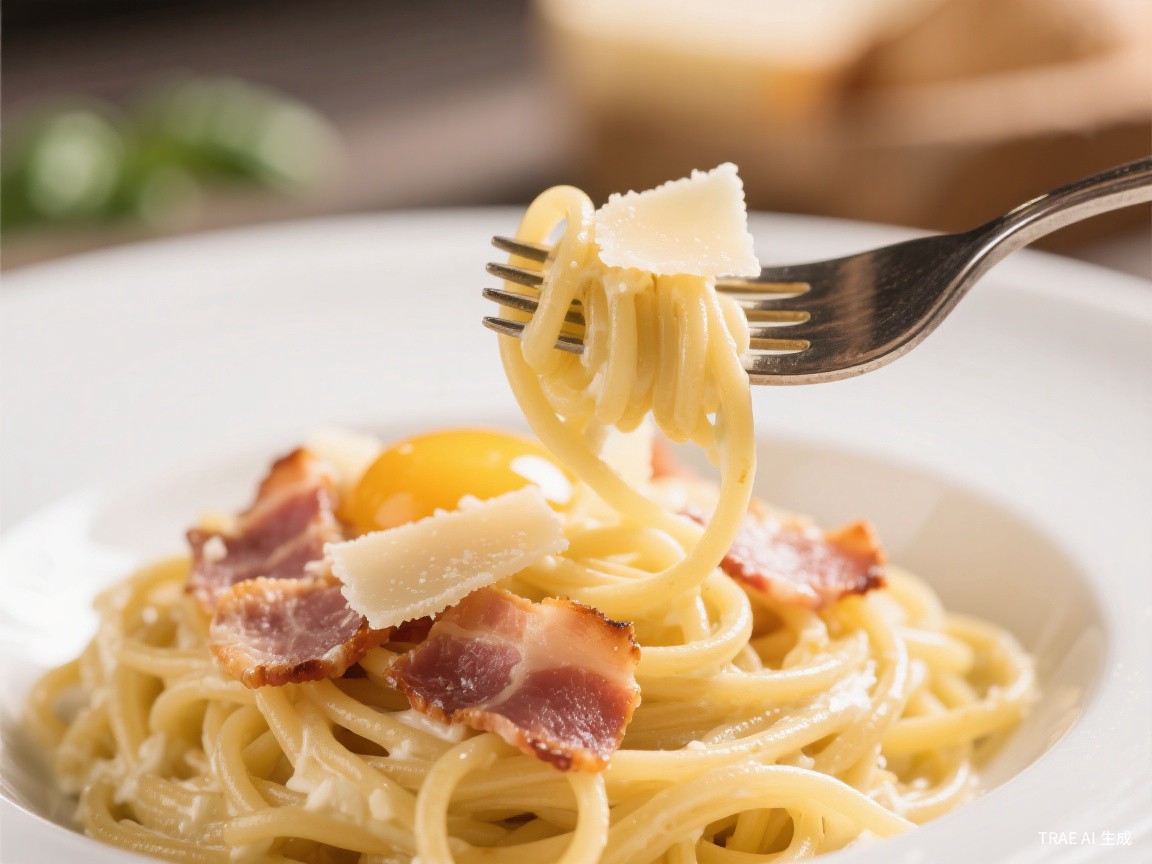
For dinner, Da Enzo al 29 in Trastevere serves the kind of carbonara that makes you question every version you have ever eaten. The rigatoni is perfectly al dente, the guanciale crispy but not burnt, and the egg-and-pecorino sauce clings to each tube with the tenacity of a lover who refuses to let go.
- Da Enzo al 29: The carbonara benchmark in Trastevere, always book ahead
- Flavio al Velavevodetto: Built into an ancient Monte Testaccio hill of broken amphorae
- La Campana: One of Rome's oldest restaurants, dating to 1518
Night: Gelato at Fatamorgana
The day must end with gelato, because in Rome, every day must end with gelato. Fatamorgana stands apart for its inventive flavors and uncompromising quality. Founder Maria Agnese Spagnuolo trained as a chemist before turning to gelato, and her scientific approach is evident in every scoop. The flavor list reads like a poet's notebook: rose with pistachio, basil with lemon, black sesame with honey. Each combination works because Spagnuolo understands the fundamental principle of great gelato: balance.
Gelato Selection Guide
Avoid gelaterias where gelato is piled high in mounds—it should be stored in flat metal tubs. Look for muted, natural colors. Banana should be grayish-white, not yellow. Pistachio should be dull brown-green, not vivid green. Always choose a place that covers their tubs with metal lids.
The Roman Philosophy of Eating
What makes eating in Rome so special is not any single dish but the philosophy that underpins the entire culture. Romans do not eat to fuel themselves; they eat to live. Meals are social events, opportunities for connection, and expressions of identity. The ingredients are respected because they have always been respected. After a day of eating through Rome—cornetto at Roscioli, supplì at Testaccio, cacio e pepe at Armando, pizza at Bonci, carbonara at Da Enzo, gelato at Fatamorgana—you will understand why the city has been captivating food lovers for millennia.
Plan Your Roman Food Adventure
Download our complete Rome dining guide with maps, reservation tips, and seasonal recommendations.
Explore More Reviews