There is a moment, usually around your third taco on a Mexico City street corner at midnight, when you realize that everything you thought you knew about Mexican food was wrong. Not mildly wrong, but fundamentally, existentially wrong. Mexico City does not merely serve great food; it dismantles your assumptions about what food can be and rebuilds them from the ground up, one handmade tortilla at a time.
A UNESCO Heritage Worth Protecting
In 2010, UNESCO added traditional Mexican cuisine to its Representative List of the Intangible Cultural Heritage of Humanity, recognizing what Mexicans have always known: that their food is not merely sustenance but a living cultural artifact of extraordinary depth. Mexico City's food culture is built on foundations that predate the Spanish conquest by millennia. Corn, beans, chilies, tomatoes, chocolate, and avocado—all native to Mesoamerica—form the bedrock of a cuisine that was already sophisticated when Europe was struggling with basic agriculture. The Spanish brought wheat, rice, pork, and dairy, which were absorbed and transformed by indigenous cooking traditions into a fusion that has been evolving for five hundred years.
"Mexican food is not a trend. It is not the next big thing. It is one of the great cuisines of human civilization, and the world is finally catching up to what Mexicans have known all along."
— Enrique Olvera, chef-owner of Pujol
Pujol: The Restaurant That Changed Everything
Any serious discussion of Mexico City's dining scene begins with Pujol, the Polanco restaurant that Enrique Olvera opened in 2000 and that has spent two decades redefining Mexican fine dining. Currently ranked among the World's 50 Best Restaurants, Pujol occupies a singular position: simultaneously the most celebrated restaurant in Latin America and the most persuasive argument that Mexican cuisine deserves a place at the absolute pinnacle of world gastronomy.
The famous mole madre, aged for over a thousand days and served alongside a fresh mole nuevo, is one of the most extraordinary dishes being served anywhere. The depth of flavor in that aged mole—layer upon layer of dried chilies, spices, and chocolate, concentrated by years of careful storage—connects you directly to centuries of Mexican cooking tradition while pushing it into uncharted territory.
Reservation Strategy
Pujol accepts reservations through its website and books out months in advance. Plan at least three months ahead. The lunch service offers a more relaxed atmosphere with the same exceptional tasting menu.
Quintonil: The Soul of Modern Mexican
If Pujol represents the avant-garde, Quintonil represents the soul. Chef Jorge Vallejo, who trained at Noma and Pujol before opening in 2012, takes a more restrained approach but achieves results equally profound. The menu changes with the seasons and reflects Vallejo's deep commitment to Mexican biodiversity. Dishes like the signature green mole with fresh herbs, the chile relleno stuffed with cheese, and the baby corn with mayonnaise, chili, and lime showcase ingredients that are uniquely Mexican, prepared with a lightness that allows their natural flavors to shine.
Mercado de la Merced: The City's Pantry
To understand the ingredients powering Mexico City's food scene, visit Mercado de la Merced, the largest traditional market in the city. Covering an entire city block, the Merced is a sensory assault of staggering proportions. Aisles stretch endlessly, piled high with dried chilies, mountains of tropical fruits, stacks of handmade tortillas, and cuts of meat that most visitors have never encountered.
The dried chili section alone is worth the visit. Mexico produces dozens of varieties, each with a distinct flavor profile. Ancho, pasilla, mulato, guajillo, chipotle, morita, cascabel—the names roll off vendors' tongues like poetry, and each contributes a different combination of heat, sweetness, smokiness, and fruitiness to the complex sauces that define Mexican cooking.
- Dried chilies: Over thirty varieties, each with unique flavor profiles and culinary applications
- Exotic fruits: Mamey, chicozapote, guanabana, and other tropical fruits rarely seen outside Mexico
- Handmade tortillas: Fresh from the comal, made with nixtamalized corn in dozens of varieties
The Taco Stand Hierarchy
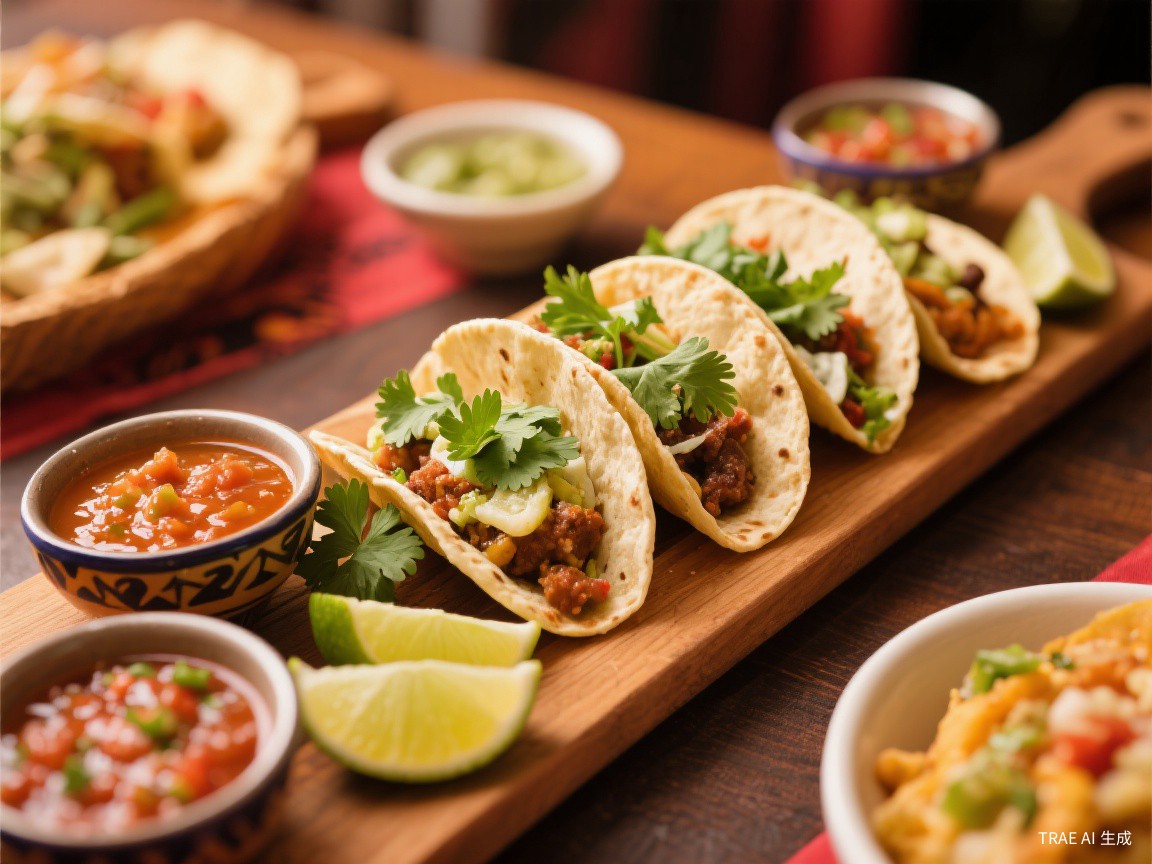
Mexico City's taco culture operates on an invisible hierarchy. At the base are countless stands serving decent but unremarkable tacos. Above them are neighborhood favorites where locals have patronized for decades. At the pinnacle are legendary stands where people cross the city and wait an hour for a single taco.
El Huequito, in the historic center, is famous for suadero (confit-style beef) tacos. El Vilsito in Narvarte is renowned for al pastor—pork marinated in dried chilies and achiote, cooked on a vertical spit and shaved to order, topped with pineapple. Tacos El Pastor in Condesa takes the tradition even further, with a spit that towers over the street and a salsa bar that would make some restaurants jealous.
- Tacos al pastor: Marinated pork from a vertical spit, served with pineapple, onion, and cilantro
- Tacos de suadero: Slow-confited beef, crispy on the edges and meltingly tender within
- Tacos de carnitas: Michoacan-style pulled pork, with options for different cuts including crispy skin
- Tacos de barbacoa: Slow-roasted lamb, traditionally cooked underground, served with consommé
Mezcal Bars: The Spirit of Oaxaca in the Capital
No exploration of Mexico City's food scene is complete without its booming mezcal culture. While tequila has long been Mexico's most famous spirit, mezcal—the smoky, complex distillate from roasted agave—has experienced a dramatic renaissance. The city's mezcal bars range from casual cantinas to sophisticated tasting rooms, and the quality would have been unimaginable a decade ago.
Mezcaleros from Oaxaca, Guerrero, and Durango regularly travel to Mexico City to present their products directly. The city's best bars maintain relationships with small-batch producers using traditional methods, creating a drinking culture that values provenance, terroir, and craftsmanship—concepts more commonly associated with wine than spirits.
Mezcal Tasting Notes
Take a small sip and let it sit on your tongue before swallowing. Notice the initial smokiness from the roasted agave, followed by the vegetal sweetness, and finally the long finish revealing notes of earth and citrus. Sip slowly—mezcal is not a shot spirit.
Fine Dining Meets Street Food
What makes Mexico City's food scene truly extraordinary is the seamless continuum between fine dining and street food. In few other cities can you eat a world-class tasting menu for dinner and then stumble upon street tacos that are equally extraordinary. Chefs like Olvera, Vallejo, Elena Reygadas of Rosetta, and Edgar Nuñez of Sud 771 draw freely from street food and market traditions, incorporating handmade tortillas, complex moles, and fresh salsas into their tasting menus with refinement that would be impossible without formal training.
The result is a dining culture that honors its roots while pushing relentlessly forward, creating something entirely new from traditions stretching back centuries. You do not need a reservation at Pujol to eat extraordinarily well here. You need a functioning appetite, a willingness to explore, and the humility to accept that you have a great deal to learn. Mexico City will teach you, one taco at a time.
Discover More Latin American Cuisine
Explore our complete collection of restaurant reviews and food guides from across Latin America.
Read More Reviews