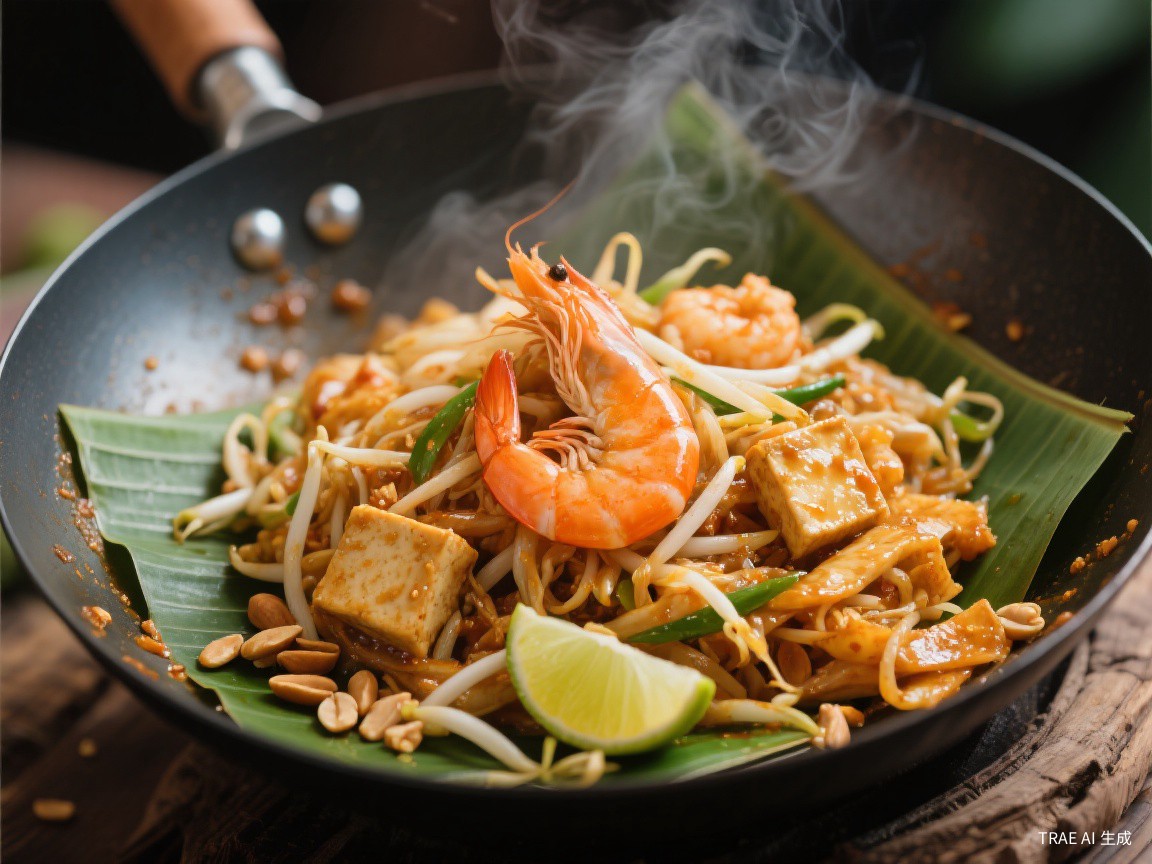
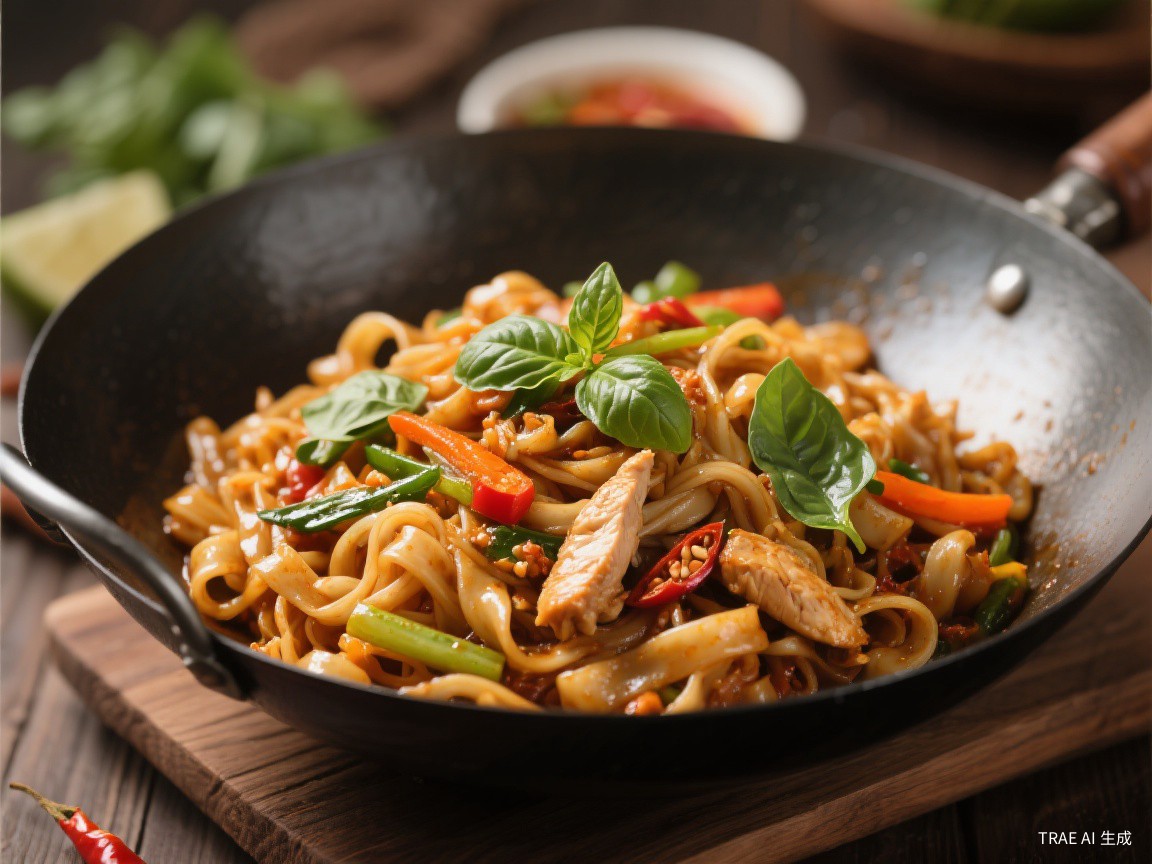
Pad Kee Mao, known in English as Drunken Noodles, is one of Thailand's most addictive street foods. Wide rice noodles wok-tossed with Thai basil, chilies, and a savory sauce create a dish that's bold, spicy, and utterly irresistible. Despite its name, no alcohol is typically involved—the story goes that it was the perfect cure for late-night revelers stumbling home from the bars.
The Story Behind the Name
The origin of the name "Drunken Noodles" is shrouded in culinary folklore. One popular theory suggests that the dish was created as a hangover cure, its intense spiciness and bold flavors helping to sober up intoxicated patrons. Another story claims that late-night revelers, in their drunken state, would demand the spiciest dish possible—and this was the result.
A third explanation is more literal: some versions of the dish do include a splash of whiskey or rice wine in the sauce. However, this is not traditional, and most authentic Pad Kee Mao contains no alcohol whatsoever. What all versions share is an intensity of flavor that can wake up even the dullest palate—hungover or not.
Chef's Tip
Use fresh wide rice noodles if you can find them—they have a softer, more pliable texture than dried noodles. If using dried noodles, soak them until completely soft before stir-frying, as they won't have time to hydrate in the wok.
The Essential Ingredients
What makes Pad Kee Mao distinctive is its combination of ingredients, each playing a crucial role in the final dish. The foundation is wide rice noodles, typically about an inch across. These noodles have a chewy, slippery texture that holds sauce beautifully and provides satisfying heft to each bite.
The protein is usually pork, chicken, or seafood, though vegetarian versions with tofu are equally delicious. What's non-negotiable is the Thai basil—known as bai horapa—which provides an anise-like sweetness that balances the heat. Regular sweet basil can work in a pinch, but the flavor won't be quite the same.
Key Flavor Components
- Thai chilies: Fresh bird's eye chilies provide serious heat; adjust quantity to your tolerance.
- Garlic: Lots of it, smashed and roughly chopped to release its oils.
- Thai basil: The signature herb that defines this dish.
- Fish sauce: Provides the salty, umami backbone.
- Oyster sauce: Adds richness and a subtle sweetness.
- Dark soy sauce: Contributes color and depth.
The Art of Wok Cooking
Pad Kee Mao is a stir-fry, and like all great stir-fries, it benefits from high heat and quick cooking. The goal is to achieve "wok hei"—the breath of the wok—a slightly smoky, charred flavor that comes from cooking over extremely high heat in a seasoned wok.
For home cooks without restaurant-grade equipment, the key is to work in batches if necessary and never overcrowd the wok. Get your pan as hot as possible before adding ingredients, and keep everything moving. The entire cooking process should take just a few minutes once the wok is hot.
"In Thailand, we judge a stir-fry by its wok hei. You should taste the fire in the food, not just the ingredients. That char from the wok is what transforms good noodles into something unforgettable."
— Chef Andy Ricker
Balancing the Flavors
Thai cuisine is built on the balance of four fundamental tastes: sweet, sour, salty, and spicy. In Pad Kee Mao, this balance comes from the interplay of fish sauce (salty), oyster sauce (sweet and savory), lime juice (sour), and fresh chilies (spicy). Getting this balance right is what separates mediocre versions from memorable ones.
Start with less chili than you think you need—you can always add more, but you can't take it away. The sauce should coat the noodles without drowning them. Taste as you go, adjusting with a splash more fish sauce for saltiness or a pinch of sugar if the heat becomes overwhelming.
Common Mistakes to Avoid
Even experienced cooks can stumble when making Pad Kee Mao. One common error is overcooking the noodles, which makes them mushy and prone to breaking. Rice noodles should be tender but still have some chew. Another mistake is adding the basil too early—this delicate herb should be added at the very end, just long enough to wilt slightly.
Using the wrong type of noodle is another pitfall. Thin rice noodles or egg noodles won't give you the same texture as the wide, flat variety. Seek out fresh rice noodles at Asian markets, or look for dried wide rice noodles that you can soak and prepare at home.
Troubleshooting Your Pad Kee Mao
- Noodles breaking: They may be overcooked; try soaking dried noodles longer rather than boiling.
- Dish too dry: Add a splash of water or broth when stir-frying.
- Too salty: Balance with a squeeze of lime and a pinch of sugar.
- Not enough wok flavor: Cook in smaller batches at higher heat.
Variations and Adaptations
While pork is the most traditional protein for Pad Kee Mao, the dish welcomes variations. Seafood versions with shrimp or squid are popular in coastal areas. Chicken thigh meat stays juicy during the quick cooking process. For vegetarians, firm tofu or a mixture of vegetables like baby corn, bamboo shoots, and bell peppers works beautifully.
Some restaurants offer "Crying Tiger" noodles, an even spicier version named for the Thai dish of grilled beef. Others add a fried egg on top, the runny yolk creating a rich sauce that coats the noodles. These variations show how adaptable the basic formula is while still maintaining its essential character.
Serving and Enjoying
Pad Kee Mao should be served immediately, piping hot from the wok. The noodles continue to soften as they sit, so there's no benefit to letting the dish rest. In Thailand, it's typically served as a single dish meal, accompanied perhaps by a cold drink to temper the heat.
For a complete Thai meal, serve Pad Kee Mao alongside other dishes for sharing. A cooling cucumber salad or a mild coconut soup provides contrast to the noodles' intensity. And don't forget the condiment tray—fish sauce with chilies, vinegar with chilies, and sugar allow diners to adjust the flavor balance to their preference.
Quick Weeknight Version
While authentic Pad Kee Mao requires fresh ingredients and high heat, a simplified version can satisfy weeknight cravings. Use dried wide rice noodles, pre-minced garlic, and whatever protein you have on hand. The key elements that shouldn't be compromised are the Thai basil and fresh chilies—these are what make the dish recognizable.
Keep a bottle of Thai stir-fry sauce in your refrigerator for even faster preparation. While not as nuanced as a from-scratch sauce, these prepared sauces can produce respectable results when time is short. Add extra fresh basil and a squeeze of lime to brighten the flavors.
Ready to Cook Thai at Home?
Download our essential Thai ingredients guide with tips on where to find authentic products and how to store them properly.
Get the Free Guide