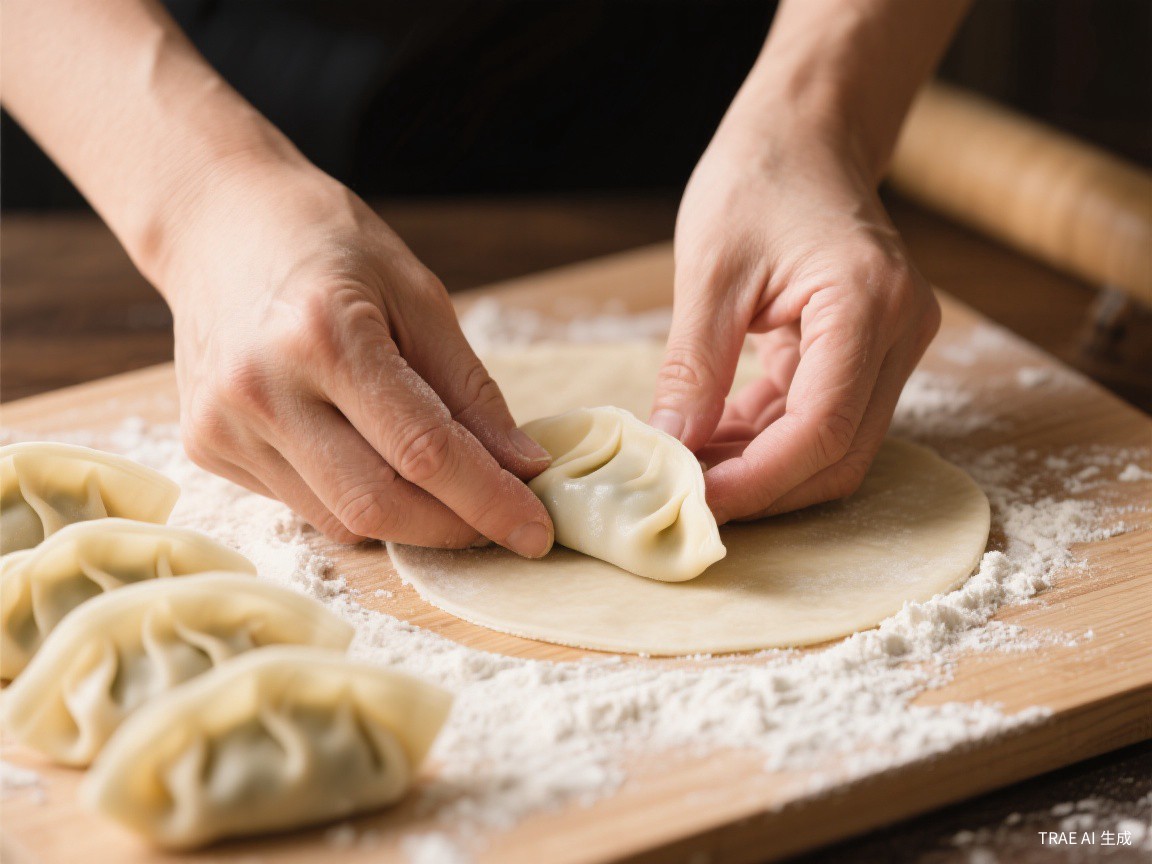
In every Polish kitchen, there exists a ritual that transcends mere cooking. It begins with flour dusted across a wooden board, proceeds through the rhythmic motion of rolling and folding, and culminates in a pot of gently boiling water where small crescents of dough transform into something deeply nourishing. Pierogi are not simply dumplings—they are edible heirlooms, carrying within them the flavors, memories, and identity of a nation that has endured centuries of upheaval yet never lost its culinary soul.
The Dough: Hot Water vs. Cold
The foundation of every great pierogi is its dough, and the first decision every pierogi maker must face is deceptively simple: hot water or cold? This is not a trivial question. The temperature of the water fundamentally alters the character of the finished dumpling, and Polish grandmothers have debated this choice for generations with the intensity usually reserved for politics or religion.
Cold water dough, made by combining flour with cold water and a pinch of salt, produces a firmer, slightly chewier dumpling. This is the traditional choice in many regions of Poland, particularly in the south around Krakow. The cold water keeps the gluten strands tight, resulting in a pierogi with more structural integrity—ideal for fillings that are wet or heavy, as the dough is less likely to tear during boiling.
Hot water dough, sometimes called "ciasto na goraco," involves pouring scalding water over the flour and working it quickly before the mixture cools. The hot water partially gelatinizes the starch on the surface of the flour particles, creating a dough that is softer, more pliable, and more tender when cooked. This method is favored in central and eastern Poland, where a softer, more delicate pierogi is preferred. The trade-off is that hot water dough can be trickier to handle—it requires a light touch and prompt work before it becomes sticky and unmanageable.
Chef's Tip
For the best of both worlds, use warm water—around 40 degrees Celsius. This provides enough heat to soften the gluten for tenderness while maintaining enough structure for easy handling. Add a tablespoon of sour cream or oil to the dough for extra pliability and a subtle richness.
The Secret Ingredient: Fat
Regardless of the water temperature, most traditional pierogi doughs include a small amount of fat—either a beaten egg, a spoonful of sour cream, or a drizzle of neutral oil. This fat coats the flour particles, inhibiting excessive gluten development and producing a more tender, less rubbery dumpling. In some regions, particularly in the mountainous south, a small amount of melted butter is added, lending the dough a subtle richness that pairs beautifully with savory fillings.
The Traditional Fillings
The variety of pierogi fillings is staggering, reflecting the agricultural abundance and regional diversity of Poland. However, three fillings stand above all others as the undisputed classics, each with its own devoted following and distinct character.
Pierogi Ruskie: Potato and Cheese
Despite its name, which translates as "Ruthenian pierogi," pierogi Ruskie is arguably the most Polish of all pierogi varieties. Originating in the Kresy region (eastern borderlands that are now part of Ukraine), this filling combines mashed potatoes with twarog—a fresh Polish cheese similar to cottage cheese but drier and more crumbly. The mixture is seasoned with salt and generous amounts of black pepper, and sometimes a caramelized onion or two are folded in for sweetness.
The key to exceptional pierogi Ruskie lies in the quality of the potatoes and the cheese. Starchy potatoes like russets or Yukon Golds produce a fluffy, dry mash that won't make the dough soggy. The twarog should be well-drained—if it is too wet, the filling will seep into the dough during cooking, causing the pierogi to break apart. For those who cannot find twarog, a mixture of dry cottage cheese and farmer's cheese provides a reasonable approximation.
"Pierogi are the taste of home. No matter where life takes you, the moment you bite into a properly made pierogi, you are back in your grandmother's kitchen, surrounded by family and the smell of melting butter."
— Chef Oliver Kowalski
Sauerkraut and Mushroom: The Forest Filling
Pierogi z kapusta i grzybami—sauerkraut and mushroom pierogi—are the traditional choice for Christmas Eve and other meatless occasions. The filling combines finely chopped sauerkraut that has been slowly braised with dried wild mushrooms, typically porcini (borowik), which have been soaked and rehydrated. The mushrooms contribute an earthy, woodsy depth that complements the sauerkraut's tangy sharpness, creating a filling that is simultaneously hearty and refined.
This filling rewards patience. The sauerkraut should be braised slowly—至少 forty-five minutes to an hour—allowing its acidity to mellow and its natural sweetness to emerge. The mushrooms should be soaked in warm water for at least thirty minutes, and the soaking liquid reserved as a base for soups or sauces. Every element of this filling speaks to the Polish respect for the land and its bounty.
Meat Pierogi: The Hearty Alternative
Meat-filled pierogi (pierogi z miesem) are typically made with a mixture of ground pork and beef, seasoned with onions, garlic, marjoram, and black pepper. The meat is usually pre-cooked before filling, ensuring that the pierogi can be boiled quickly without overcooking the dough. Some recipes call for leftover roasted meat, finely minced and bound with a little broth—a thrifty, delicious approach that transforms Sunday's roast into Monday's pierogi.
The Cooking Method: Boil Then Pan-Fry
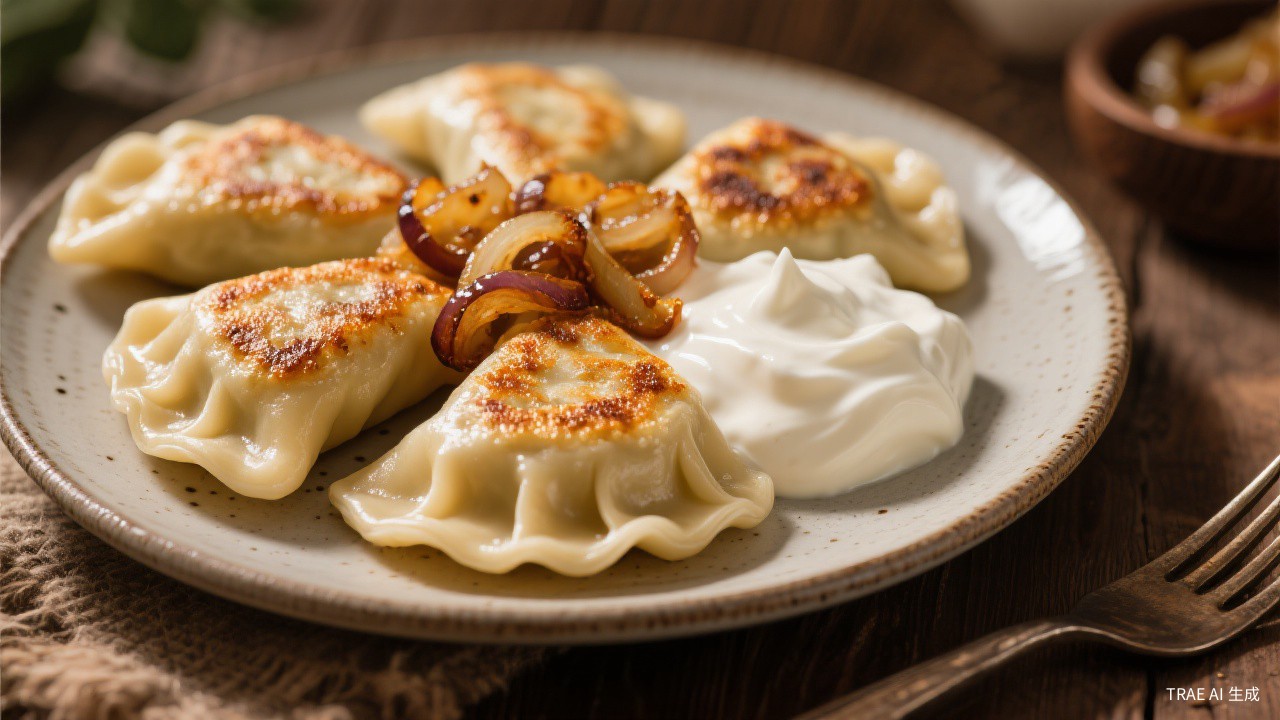
The classic preparation for pierogi involves a two-stage cooking process that transforms the dumpling from soft and tender to golden and irresistible. First, the pierogi are gently boiled in salted water until they float—typically three to four minutes for freshly made pierogi. This cooks the dough through and heats the filling. The boiled pierogi can be eaten as-is, draped in melted butter, but the true magic happens in the second stage.
After boiling, the pierogi are transferred to a skillet with melted butter or bacon fat and pan-fried until golden brown and slightly crispy on both sides. This dual-texture experience—the soft, pillowy interior contrasting with the shatteringly crisp exterior—is what elevates pierogi from good to transcendent. The frying also adds a layer of caramelization that deepens the overall flavor, particularly when the butter has been infused with onions or garlic.
- Boil gently: A rolling boil is too aggressive and can tear the dumplings. Maintain a gentle simmer.
- Do not overcrowd: Cook pierogi in batches of eight to ten, giving them room to float freely.
- Skim the foam: Flour residue creates foam that can cause the water to boil over.
- Shock in cold water: After boiling, briefly transfer to ice water to stop cooking and firm the dough.
- Pan-fry with restraint: Medium heat, not high, ensures even browning without burning.
The Caramelized Onion Topping
No discussion of pierogi would be complete without addressing the crowning glory: caramelized onions. Thinly sliced onions, cooked slowly in butter until deep golden and sweet, are the universal accompaniment to pierogi in Poland. The onions provide a sweet, savory counterpoint to the rich fillings, and their jammy texture contrasts beautifully with the tender dough.
Traditionalists insist on using butter rather than oil, as the milk solids in butter contribute additional flavor through browning. Some cooks add a splash of cream at the end of caramelization, creating a luxurious sauce that clings to the pierogi. Others incorporate crispy bacon bits (skwarki) into the onions, adding a smoky, salty dimension that is particularly popular in the southern regions of Poland.
The Wigilia Tradition: Christmas Eve Pierogi
In Poland, Christmas Eve—Wigilia—is the most important meal of the year, and pierogi occupy a place of honor on the table. The Wigilia meal is traditionally meatless, in accordance with Catholic fasting traditions, and pierogi z kapusta i grzybami (sauerkraut and mushroom) are the standard choice. Families gather in the afternoon to prepare the pierogi together, turning the cooking process into a communal celebration.
The making of Wigilia pierogi is a ritual laden with symbolism. The dough is rolled thin, and each pierogi is crimped with a distinctive pattern that identifies the maker—experienced hands can tell at a glance whose pierogi are whose. In some families, a coin is hidden inside one pierogi, and whoever finds it is promised good fortune in the coming year. The number of pierogi prepared is always generous, as tradition dictates that there should be enough for unexpected guests, for the souls of departed family members, and for the days following Christmas.
- Gather the family: Pierogi making is a communal affair, with tasks divided among generations
- Prepare fillings the day before: Mashed potato and sauerkraut fillings benefit from resting overnight
- Roll dough thin but not transparent: About two millimeters thick is the sweet spot
- Crimp firmly: A tight seal prevents filling from escaping during boiling
- Cook and share: The first batch is always tasted together, a moment of collective pride
Pierogi Around the World
Polish emigrants carried the pierogi tradition to every corner of the globe, and the dumpling has adapted to local ingredients and tastes while retaining its essential character. In Chicago, home to one of the largest Polish communities outside Poland, pierogi are served in restaurants ranging from humble neighborhood joints to upscale dining rooms. In Canada, particularly in the prairie provinces, Ukrainian-style pierogi (perogies) have become a national comfort food, often served with sour cream and fried onions.
Modern chefs continue to push the boundaries, experimenting with fillings like sweet potato and sage, truffle and mushroom, or even chocolate and cherry for dessert versions. Yet the heart of the pierogi remains unchanged—a simple circle of dough, folded around something delicious, sealed with care, and shared with love.
Ready to Make Pierogi from Scratch?
Download our complete pierogi guide with dough recipes, filling variations, and step-by-step folding techniques.
Get the Free Guide