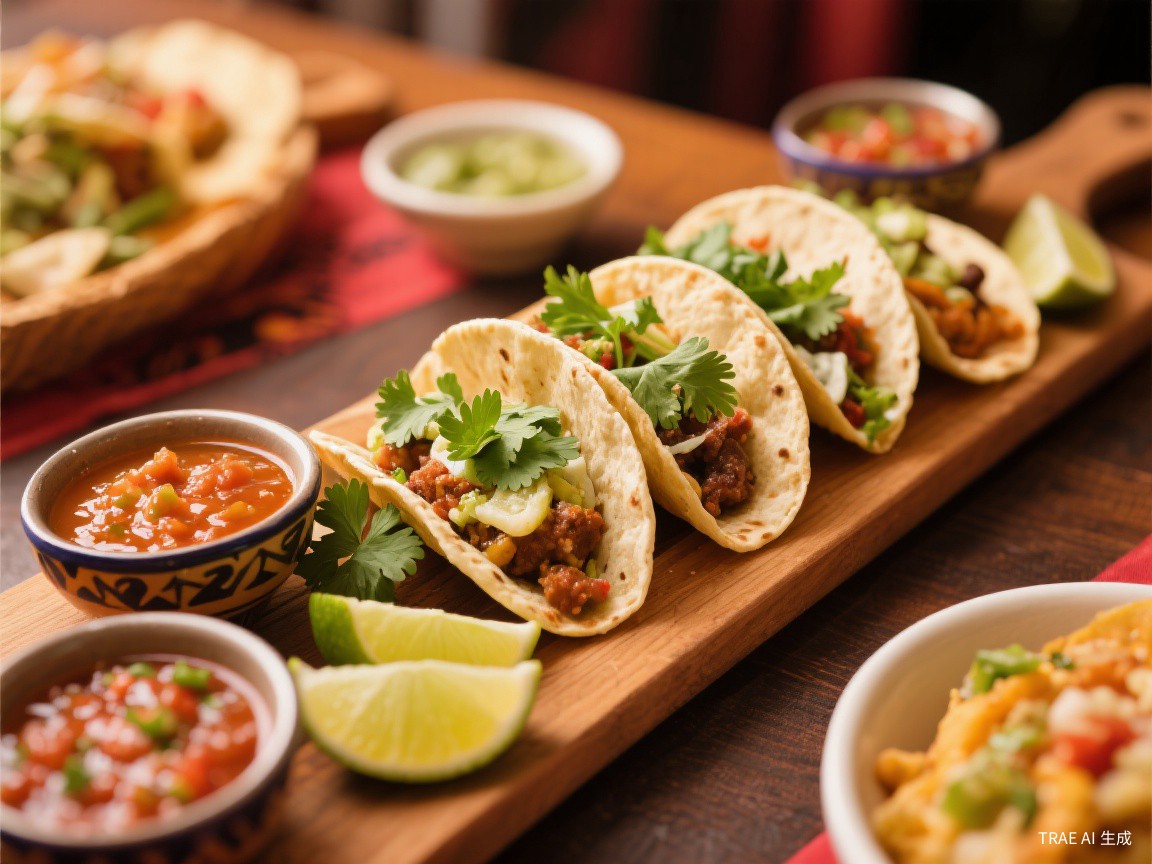
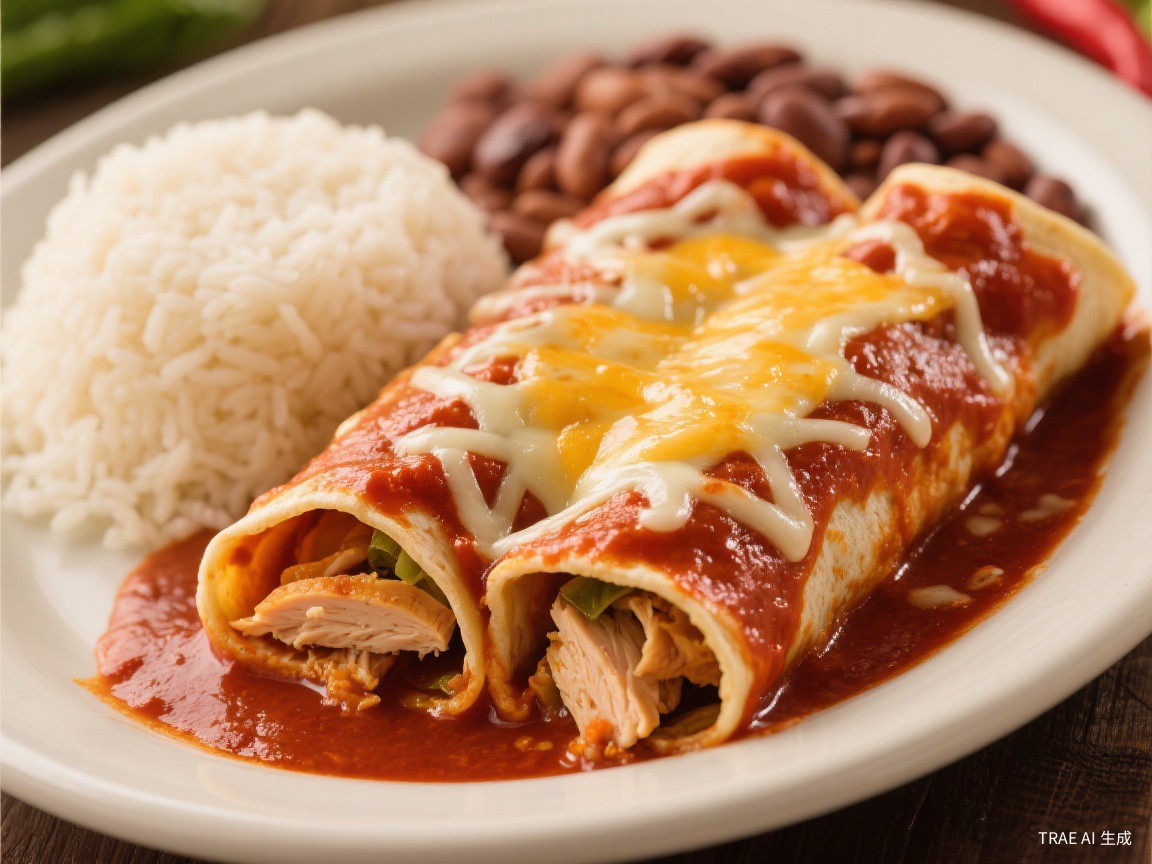
The quesadilla is perhaps Mexico's most beloved comfort food—simple enough for a quick snack, versatile enough for a satisfying meal. At its most basic, it's just cheese melted between tortillas, but mastering the perfect quesadilla requires attention to detail that transforms this humble dish into something truly memorable.
The Origins of Quesadillas
The word "quesadilla" comes from "queso," the Spanish word for cheese, and its origins trace back to colonial Mexico. Indigenous peoples had long been cooking tortillas on hot comals, but the introduction of dairy by the Spanish created new possibilities. The combination of corn tortillas and cheese proved irresistible, and the quesadilla was born.
In Mexico, quesadillas are a staple of street food and home cooking alike. They're served for breakfast, lunch, dinner, or as a late-night snack. The beauty of the dish lies in its adaptability—while cheese is essential, the additions can vary infinitely based on region, season, and personal preference.
Chef's Tip
Let your tortillas come to room temperature before cooking. Cold tortillas are more likely to crack when folded, and they won't develop the same crispy texture as room-temperature ones.
Corn vs. Flour Tortillas
The choice between corn and flour tortillas is perhaps the most fundamental decision in quesadilla making. In northern Mexico and the United States, flour tortillas are common. They're soft, pliable, and develop a pleasant chewiness when grilled. Their mild flavor lets the fillings shine.
In central and southern Mexico, corn tortillas are the traditional choice. They have a more pronounced flavor—earthy, slightly sweet, and distinctly corn-like. When properly grilled, they develop a satisfying crunch while remaining tender inside. For the most authentic experience, seek out fresh corn tortillas from a local tortilleria or make your own from masa harina.
Tortilla Selection Guide
- Fresh corn tortillas: Best for authentic flavor; look for ones made that day.
- Flour tortillas: Better for holding substantial fillings; choose thick, soft varieties.
- Blue corn tortillas: Nutty flavor and striking color; excellent with mild cheeses.
- Homemade: Worth the effort for special occasions; requires masa harina and a tortilla press.
The Cheese Question
Cheese is the heart of any quesadilla, and choosing the right one makes all the difference. In Mexico, Oaxaca cheese is the gold standard—a stringy, mild cheese that melts beautifully into long, stretchy strands. It's similar to mozzarella but with a slightly tangier flavor and better melting properties.
If Oaxaca cheese isn't available, good alternatives include Monterey Jack, which melts well and has a mild flavor, or a combination of mozzarella and a small amount of sharp cheddar for complexity. Queso fresco, while delicious, doesn't melt well and is better used as a finishing cheese rather than the primary melting cheese.
"A quesadilla is only as good as its cheese. The melt should be creamy and stretchy, not greasy or separated. This is why fresh, quality cheese matters more than any other ingredient."
— Chef Rick Bayless
The Art of the Crisp
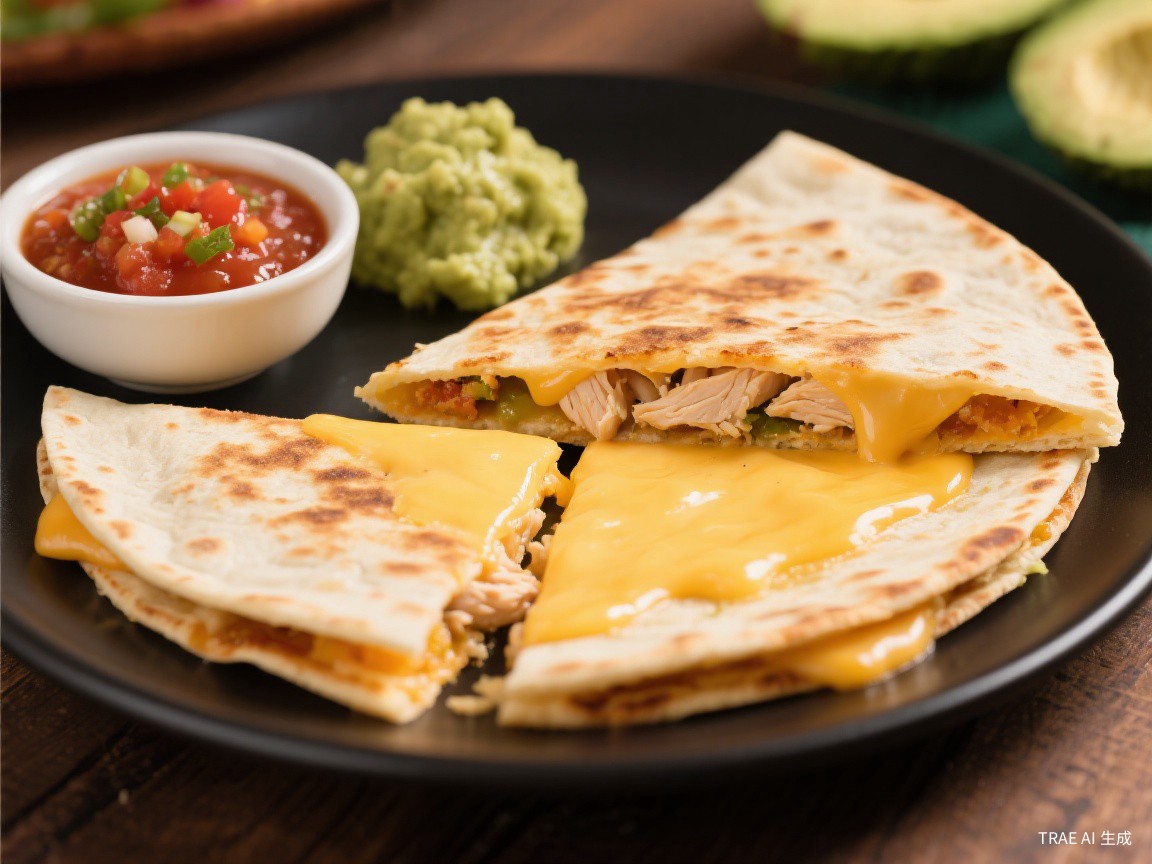
A perfect quesadilla should have a crispy exterior that gives way to a melty, gooey interior. Achieving this requires proper heat management. Too high, and the tortilla burns before the cheese melts. Too low, and the tortilla becomes tough and leathery while the cheese slowly melts.
Medium heat is ideal—hot enough to create a golden-brown exterior in a few minutes, but gentle enough to allow the cheese to melt completely. A heavy skillet or cast-iron pan distributes heat evenly and helps achieve consistent browning. Add just a thin film of oil or butter to the pan for the best results.
Classic and Creative Fillings
While cheese alone makes a delicious quesadilla, fillings add substance and flavor. The key is to use ingredients that complement rather than overwhelm the cheese. Pre-cooked fillings work best, as the quesadilla cooks too quickly to properly cook raw ingredients.
Classic fillings include shredded chicken seasoned with cumin and chili, crumbled chorizo, sautéed mushrooms with garlic, or roasted poblano peppers (rajas). Each brings its own character to the dish. For a vegetarian option, black beans combined with corn and a touch of smoked paprika create a satisfying, protein-rich filling.
Winning Filling Combinations
- Classic Cheese: Oaxaca or Monterey Jack with a sprinkle of queso fresco.
- Chicken and Pepper: Shredded chicken with roasted poblano strips.
- Mushroom and Epazote: Sautéed mushrooms with the traditional Mexican herb.
- Chorizo and Potato: Spicy chorizo with diced, cooked potatoes.
- Black Bean and Corn: A hearty vegetarian option with cumin and lime.
The Folding Technique
There are two schools of thought on quesadilla construction. The first, common in northern Mexico and the United States, places fillings on half of a tortilla, which is then folded over. The second, traditional in central Mexico, uses two tortillas with fillings sandwiched between them.
The folded method creates a half-moon shape that's easy to eat by hand. The two-tortilla method produces a larger quesadilla that can be cut into wedges for sharing. Both are correct—choose based on your preference and the amount of filling you're using.
Essential Accompaniments
A quesadilla is rarely served alone in Mexico. The classic accompaniments include salsa verde or salsa roja for spooning over the top, Mexican crema for richness, and guacamole for creamy contrast. Pickled jalapeños or escabeche add tang and heat. A sprinkle of fresh cilantro and a squeeze of lime brighten the flavors.
For a complete meal, serve quesadillas with a simple side of Mexican rice and refried beans. A fresh green salad with citrus vinaigrette provides welcome contrast to the rich, cheesy quesadillas. And don't forget the hot sauce—each diner can adjust the heat level to their preference.
Troubleshooting Common Problems
Even experienced cooks encounter quesadilla challenges. If your tortilla is burning before the cheese melts, lower the heat and cover the pan briefly to trap heat. If the cheese is oozing out and burning on the pan, you've used too much—next time, use a more moderate amount.
A soggy quesadilla usually means wet fillings. Drain sautéed vegetables thoroughly, and pat dry any ingredients that have released moisture. If using salsa or sauce, add it after cooking rather than inside the quesadilla. These small adjustments make the difference between a good quesadilla and a great one.
Beyond the Basics
Once you've mastered the basic quesadilla, explore regional variations. Sincronizadas, popular in northern Mexico, use ham and cheese in a flour tortilla. Quesadillas de camaron from coastal regions feature shrimp with cheese. Dessert quesadillas might include cinnamon, sugar, and chocolate or caramelized plantains with cream cheese.
The quesadilla's simplicity is its greatest strength. With quality ingredients and proper technique, this humble dish delivers satisfaction that far exceeds its modest components. Whether enjoyed as a quick snack or dressed up with elaborate fillings, the perfect quesadilla is always within reach.
Ready to Make Perfect Quesadillas?
Download our guide to Mexican cheeses and salsas, with recipes for authentic accompaniments.
Get the Free Guide