The first meal of the day is perhaps the most culturally revealing. What we choose to eat in the morning—whether it is a bowl of steaming congee in Guangzhou, a plate of croissants in Paris, or a styrofoam container of pho in Hanoi—speaks volumes about our history, our values, and our relationship with food. Breakfast is a mirror held up to a society, reflecting its agricultural traditions, its economic realities, and its deepest assumptions about how a day ought to begin. And yet, for all its diversity, the concept of breakfast as a distinct, culturally significant meal is a surprisingly recent invention—one that has been shaped as much by industrial marketing as by culinary tradition.
The Japanese Breakfast: Harmony on a Tray
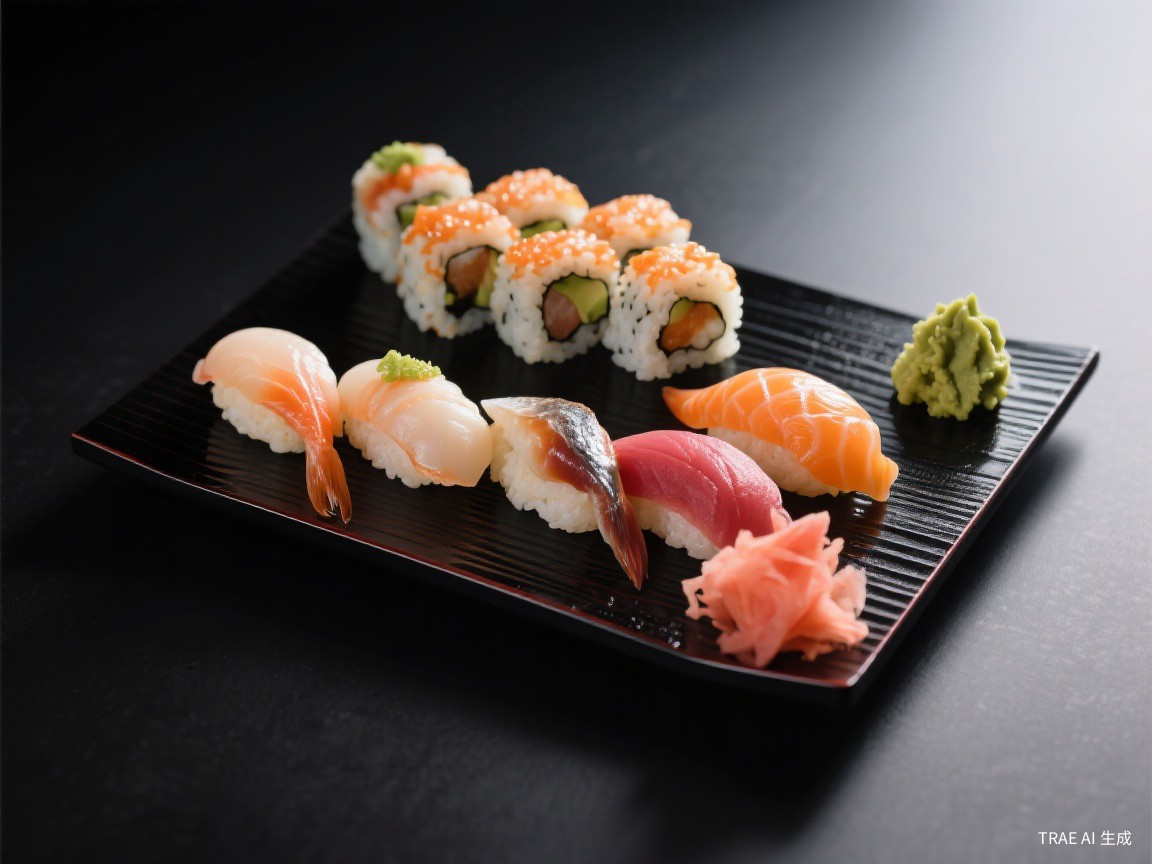
In Japan, breakfast is a study in balance, restraint, and nutritional completeness. A traditional Japanese breakfast—known as ichiju sansai, or "one soup, three sides"—typically consists of a bowl of steamed white rice, a bowl of miso soup, a grilled or pickled fish (often salmon or mackerel), a rolled omelet called tamagoyaki, and an assortment of pickled vegetables (tsukemono). Natto, the famously pungent fermented soybeans, is a common addition, valued for its protein content and probiotic benefits.
What makes the Japanese breakfast remarkable is its structural coherence. Every element serves a purpose: rice provides the caloric foundation, miso soup offers hydration and umami, fish supplies protein and healthy fats, pickles aid digestion and provide acidity, and tamagoyaki adds a touch of sweetness and visual appeal. The meal is designed to be nutritionally balanced, visually attractive, and gently energizing—a deliberate contrast to the heavy, sugar-laden breakfasts common in many Western countries.
The Japanese breakfast also reflects the country's broader culinary philosophy of washoku, which emphasizes seasonality, harmony of flavors, and the aesthetic presentation of food. A well-composed Japanese breakfast tray is a small work of art, with each dish arranged to create visual variety in color, texture, and height. It is a meal that says: the day begins with care, with balance, and with attention to detail.
The English Full Breakfast: Empire on a Plate
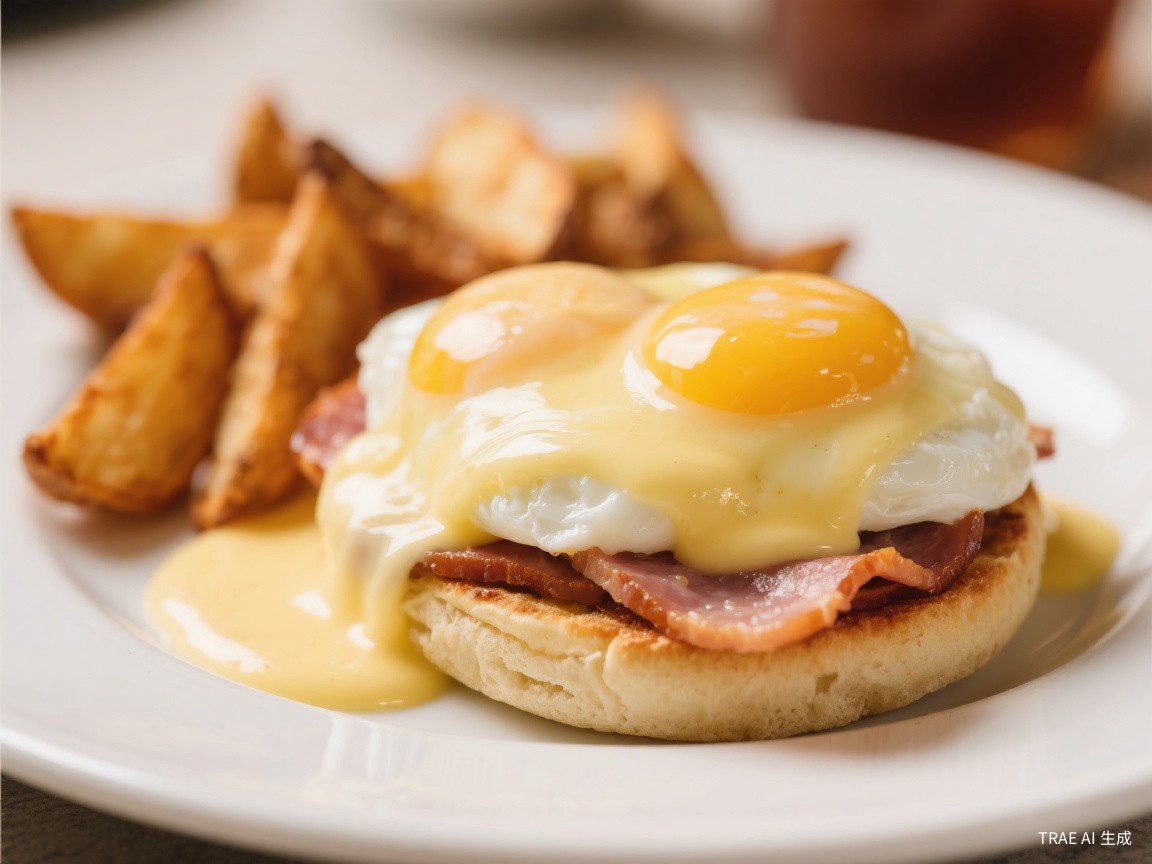
If the Japanese breakfast is a poem of restraint, the English full breakfast—often called a "fry-up"—is a symphony of abundance. The traditional components include eggs (fried or scrambled), back bacon, sausages, baked beans, grilled tomatoes, mushrooms, toast, and fried bread, often accompanied by black pudding (blood sausage) and hash browns. It is a meal that does not whisper; it declares.
The origins of the full English breakfast are deeply tied to Britain's agrarian history and its imperial reach. The bacon and eggs came from domestic farms. The baked beans were a product of the canned food industry that Britain's global trade network made possible. The tea—essential to any proper English breakfast—was imported from India and China. Even the tomatoes, now a breakfast staple, arrived via the Columbian Exchange and were initially viewed with suspicion as a member of the nightshade family.
The full breakfast was originally a meal of the rural gentry, designed to fuel a morning of hunting or physical labor. Its migration to the working-class cafes and hotels of Victorian Britain transformed it into a symbol of Englishness itself. Today, the full breakfast remains a point of national pride and cultural identity, debated with a fervor usually reserved for more consequential topics. Every region has its variant: the full Scottish adds tattie scones and haggis, the full Irish includes soda bread and white pudding, and the full Welsh brings laverbread (seaweed) to the plate.
"The English breakfast is not merely a meal. It is a ritual, a comfort, and a statement of identity. To eat a full English is to assert, however unconsciously, a connection to a particular vision of abundance and self-sufficiency."
— Bee Wilson, Consider the Fork
Turkish Kahvaltı: A Morning Feast
In Turkey, breakfast is not a meal to be rushed. It is an event—a leisurely, social, and deeply generous spread known as kahvaltı (literally "before coffee"). A proper Turkish breakfast table is a landscape of small plates: black and green olives, cubes of feta-like beyaz peynir, sliced cucumbers and tomatoes, honey and clotted cream (kaymak), jams made from seasonal fruits, hard-boiled eggs or menemen (a scrambled egg dish with tomatoes and peppers), and an array of fresh breads including simit, the sesame-crusted bread ring that is Turkey's answer to the bagel.
What distinguishes the Turkish breakfast is its communal nature. Kahvaltı is meant to be shared, lingered over, and enjoyed with multiple cups of black tea served in tulip-shaped glasses. It is common for families to spend an hour or more at the breakfast table on weekends, talking, laughing, and slowly working through the spread. The meal embodies a cultural value that prioritizes connection and conviviality over efficiency—a value that feels increasingly precious in a world of grab-and-go breakfast sandwiches.
Cultural Insight
The Turkish word "kahvaltı" literally means "before coffee," reflecting the historical role of breakfast as a precursor to the day's first cup of coffee. In Ottoman times, coffee was consumed later in the morning or after the noon prayer, and breakfast was the meal that sustained you until then. Today, tea has largely replaced coffee as the breakfast beverage, but the name endures as a linguistic fossil of older customs.
Vietnamese Pho for Breakfast: Soup at Dawn
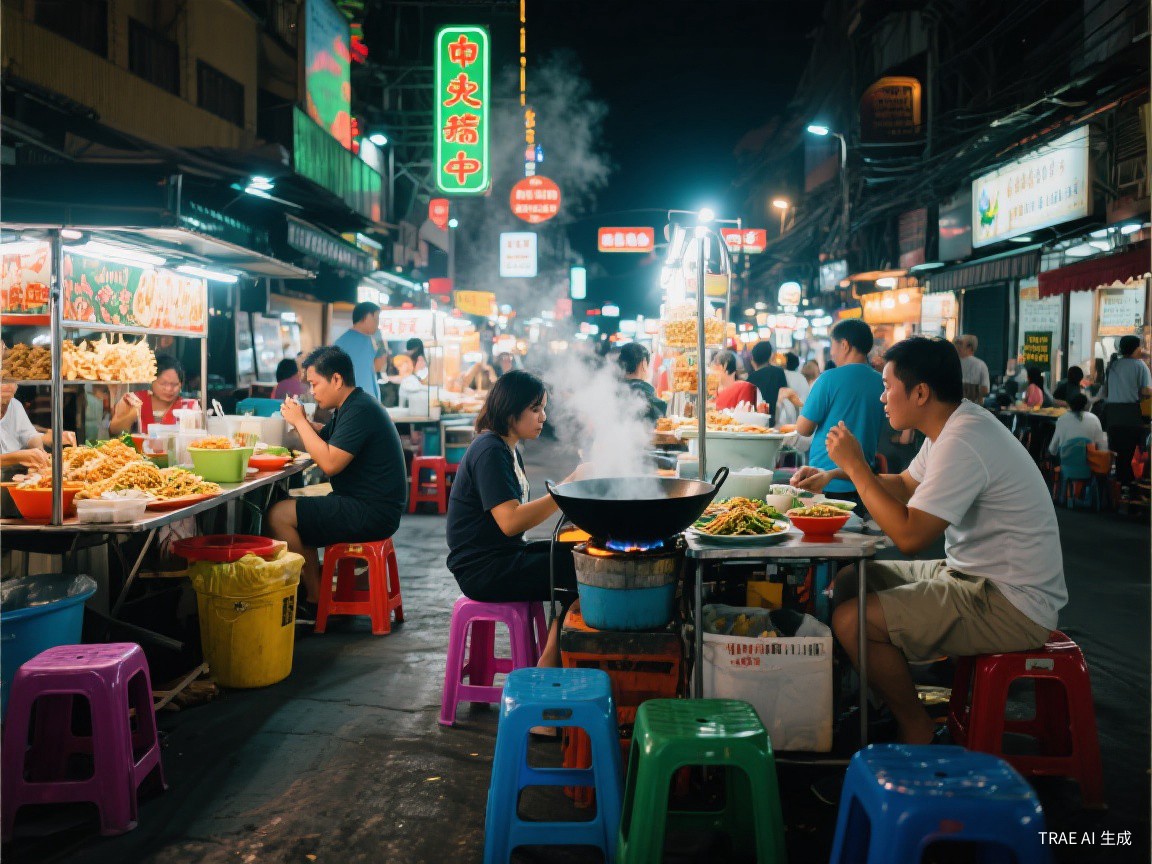
In Vietnam, the day often begins not with something sweet or starchy but with a bowl of pho—the fragrant, complex noodle soup that is the country's most famous culinary export. Pho stalls open before dawn in cities across Vietnam, their charcoal burners already glowing, their pots of beef bone broth already simmering. Workers, students, and families gather on small plastic stools at roadside tables, eating quickly and contentedly before the day begins.
A bowl of breakfast pho is a masterclass in culinary economy. The broth, simmered for hours from beef bones, star anise, cinnamon, cloves, and charred ginger, provides deep, warming umami. Rice noodles add substance. Thinly sliced beef (or chicken) cooks in the hot broth at the table. Fresh herbs—Thai basil, cilantro, sawtooth herb—are added by the diner, along with bean sprouts, lime juice, chili, and hoisin or sriracha sauce. The result is a meal that is simultaneously light and satisfying, nourishing without being heavy.
The Vietnamese tradition of eating soup for breakfast reflects a broader Southeast Asian pattern in which the distinction between breakfast food and lunch or dinner food is far less rigid than it is in the West. In Thailand, jok (rice porridge) is a common breakfast. In the Philippines, lugaw serves a similar function. In Indonesia, bubur ayam (chicken congee) is sold from carts every morning. These dishes share a common logic: they are warm, easy to digest, hydrating, and deeply comforting—the perfect way to ease into a day that may be hot, humid, and physically demanding.
The American Cereal Industry: Inventing a Meal
The story of breakfast in America is, to a remarkable degree, the story of the cereal industry. Before the late 19th century, Americans ate what their European ancestors ate for breakfast: eggs, meat, bread, and porridge. The idea that breakfast should be a light, sweet, grain-based meal served in a bowl with milk was not a cultural tradition—it was a marketing invention, and one of the most successful in food history.
The transformation began in the 1870s at the Battle Creek Sanitarium, where Dr. John Harvey Kellogg and his brother Will Keith Kellogg developed flaked cereal as a health food for patients. The flakes were originally bland and unsweetened, designed to promote digestive regularity and discourage what Kellogg considered the harmful stimulation of spicy, meat-heavy breakfasts. But when Will Keith added sugar to the formula and began commercial production, breakfast cereal was born as a mass-market product.
The cereal industry's genius was in targeting children. Through cartoon mascots, colorful packaging, and television advertising, companies like Kellogg's, General Mills, and Post transformed breakfast cereal from a health food into a children's treat—and in doing so, created the modern American breakfast. By the 1960s, cold cereal had become the dominant breakfast food in the United States, a position it held for decades until the yogurt and granola industries began to erode its market share in the 2000s.
- 1870s: Dr. John Harvey Kellogg develops granola and flaked cereals at the Battle Creek Sanitarium as health foods
- 1898: Will Keith Kellogg invents corn flakes, initially as a sanitarium food before commercializing the product
- 1930s-1960s: The golden age of cereal advertising, with mascots like Tony the Tiger, Snap Crackle and Pop, and Toucan Sam becoming cultural icons
- 1990s-2000s: Growing awareness of sugar content leads to the rise of "healthy" cereals, granola bars, and alternative breakfast products
How Industrialization Changed Breakfast
The shift from cooked breakfasts to cold cereals was part of a larger transformation driven by industrialization. As more people moved to cities and entered factory and office work, the time available for morning cooking diminished. Industrial food production offered a solution: pre-cooked, pre-packaged, ready-to-eat breakfasts that required no preparation beyond pouring milk. The cereal box was, in essence, the original convenience food, and its success paved the way for the entire processed breakfast industry that followed, from toaster pastries to breakfast bars to single-serve yogurt cups.
The "Most Important Meal" Debate
We have all heard the claim that breakfast is the most important meal of the day. It is repeated with such frequency and conviction that it has achieved the status of unquestioned truth. But the scientific evidence is far more nuanced than the popular slogan suggests. While some studies have linked regular breakfast consumption with lower rates of obesity, better cognitive performance, and reduced risk of type 2 diabetes, these associations do not necessarily prove causation. People who eat breakfast regularly may also engage in other healthful behaviors that account for the observed benefits.
Intermittent fasting research has further complicated the picture. Studies on time-restricted eating—where all daily calories are consumed within a specific window, often skipping breakfast entirely—have shown benefits for weight management, insulin sensitivity, and even longevity in animal models. The "most important meal" mantra, it turns out, may be more marketing than science, popularized in part by the cereal industry itself, which had an obvious interest in convincing people that skipping breakfast was a bad idea.
"The belief that breakfast is the most important meal of the day is one of the most widely repeated pieces of nutritional advice in history. It is also one of the least supported by rigorous scientific evidence. The truth is that the best breakfast is the one that works for your body, your schedule, and your life."
— Dr. Tim Spector, Food for Life
Practical Advice
Rather than worrying about whether to eat breakfast, focus on what you eat when you do. A breakfast rich in protein, fiber, and healthy fats—whether that is eggs with vegetables, oatmeal with nuts and fruit, or a bowl of dal with whole-grain bread—will provide sustained energy and satiety far better than a sugary cereal or pastry, regardless of when you eat it.
What Breakfast Teaches Us
Studying breakfast across cultures reveals as much about human societies as any history book. The Japanese breakfast teaches the value of balance and aesthetic care. The English fry-up reflects a culture of abundance and agricultural pride. The Turkish kahvaltı embodies the importance of community and leisure. The Vietnamese pho stall demonstrates the wisdom of eating warm, nourishing food at the start of a demanding day. And the American cereal bowl tells the story of industrialization, marketing, and the commodification of daily life.
What unites these diverse traditions is a shared understanding that the first meal of the day matters—not because it is nutritionally superior to other meals, but because it sets the tone for everything that follows. Whether we begin with miso soup or muesli, with bacon or baklava, the way we break our fast is a small, daily act of self-definition. It says: this is who I am, this is where I come from, and this is how I choose to meet the day.
Try a Global Breakfast
Explore our collection of international breakfast recipes and bring the world's morning traditions to your table.
Explore Breakfast Recipes