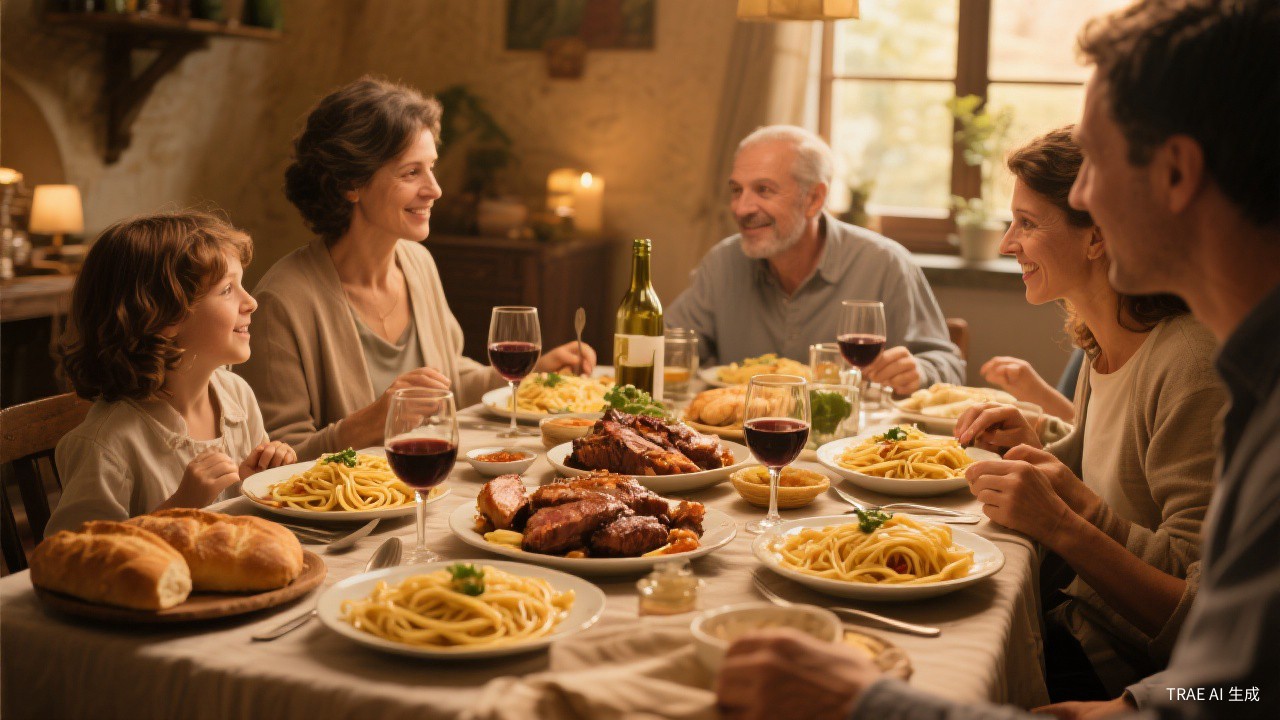
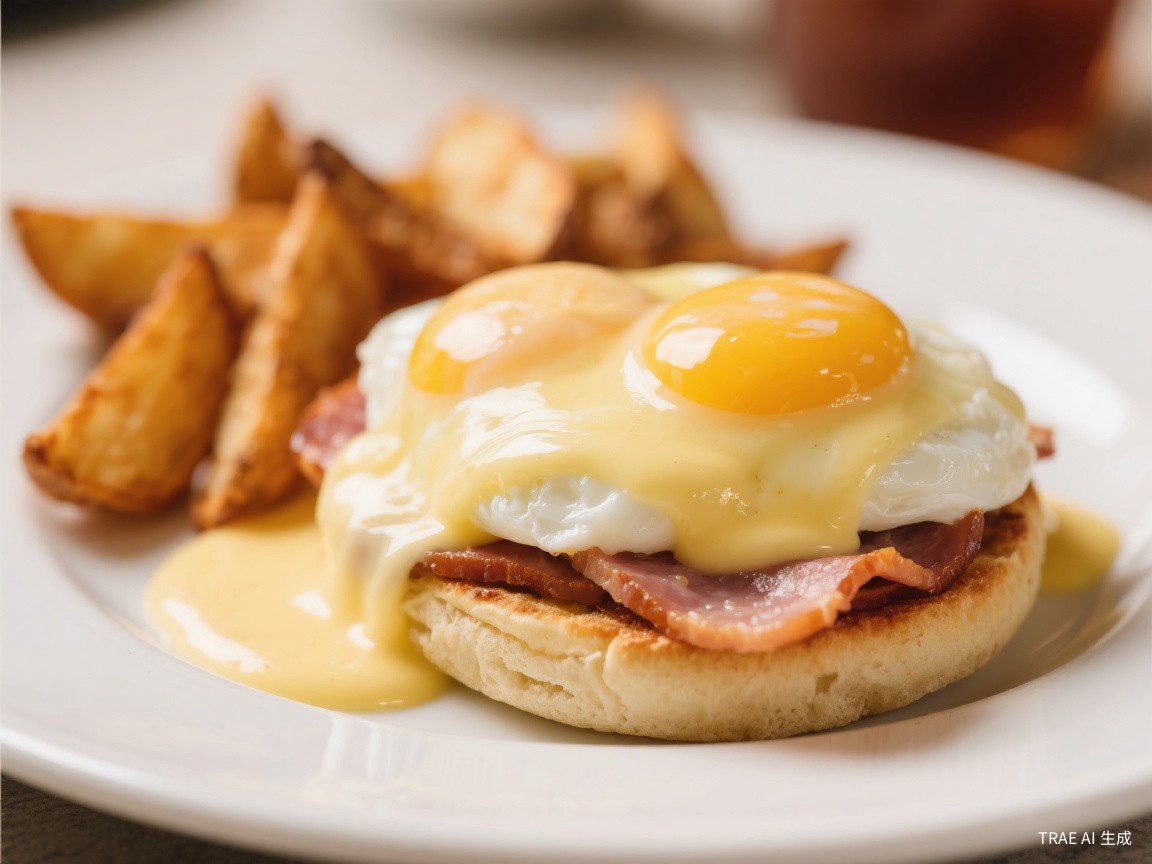
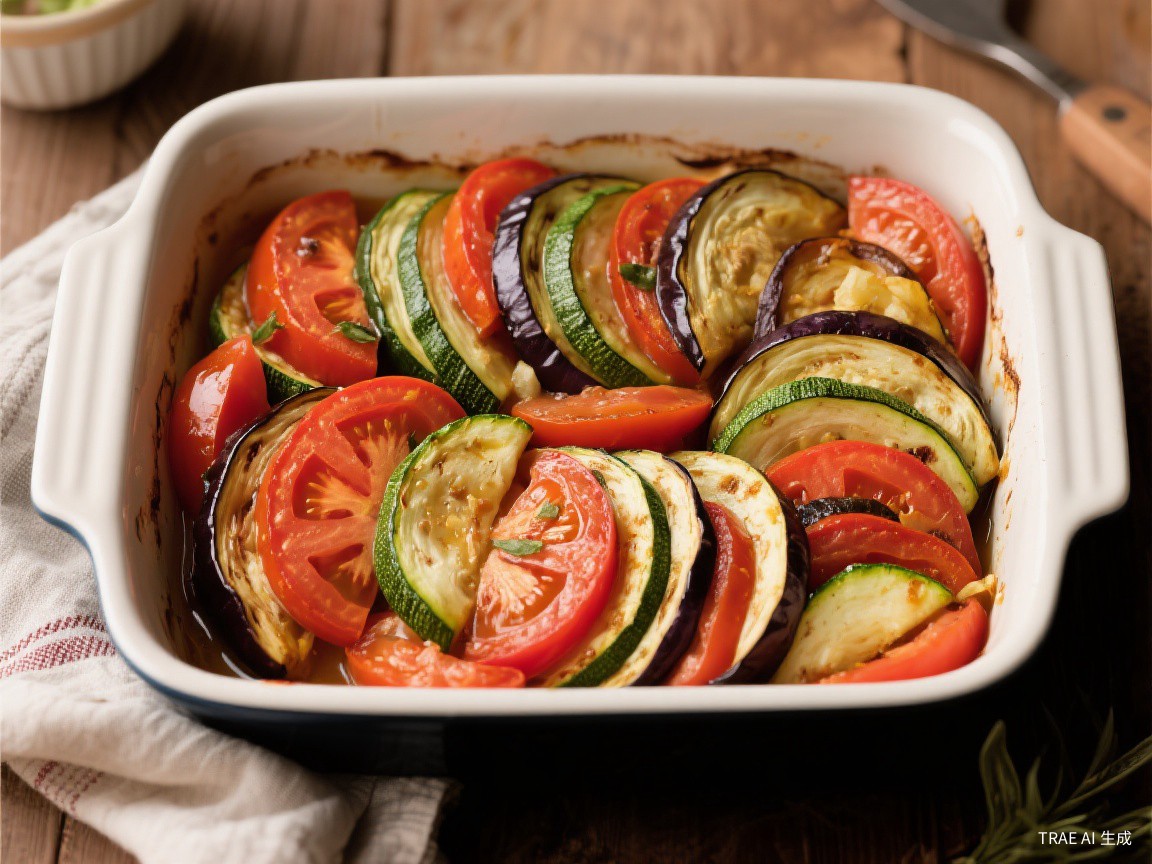
Long before cameras existed, artists were obsessing over how to make food look irresistible. The Dutch Golden Age painters of the 17th century—Willem Claesz Heda, Pieter Claesz, and their contemporaries—spent months rendering the glint of a crystal goblet, the translucence of a peeled lemon, the glistening fat of a roasted fowl. Their vanitas still lifes were not merely technical exercises; they were meditations on abundance, mortality, and the sensual pleasure of looking at beautiful food. In the centuries since, the impulse to capture food's visual appeal has evolved from oil on canvas to pixels on screens, but the fundamental challenge remains the same: how do you make someone hungry with their eyes?
From Still Life to Silver Gelatin: A Brief History
The earliest food photographs emerged in the 1840s, within years of the invention of photography itself. William Henry Fox Talbot, one of the pioneers of photographic technology, included a still life of a fruit basket among his experimental images. But food photography as a distinct genre did not develop until the early 20th century, when improvements in camera technology and printing made it possible to reproduce photographs in magazines and cookbooks.
The golden age of editorial food photography began in the 1930s and reached its peak in the decades following World War II. Magazines like "Gourmet," "Bon Appetit," and "House Beautiful" employed staff photographers who developed the conventions that still define food photography today: carefully arranged compositions, controlled lighting, and meticulous attention to color and texture. These early food photographers worked under extraordinary constraints. Film was slow, requiring long exposures. Lighting equipment was bulky and hot, causing food to wilt and melt under the lights. A single photograph could take an entire day to produce.
The advent of color photography in the 1950s transformed the field. Color allowed food photographers to capture the richness and variety that made food visually compelling—the deep red of a rare steak, the emerald green of fresh herbs, the golden crust of a loaf of bread. Color food photography became a cornerstone of advertising, and the food industry invested heavily in creating images that would make products irresistible to consumers. This era gave rise to the professional food stylist, a specialist whose job was to make food look perfect for the camera—a role that would eventually become as important as the photographer's.
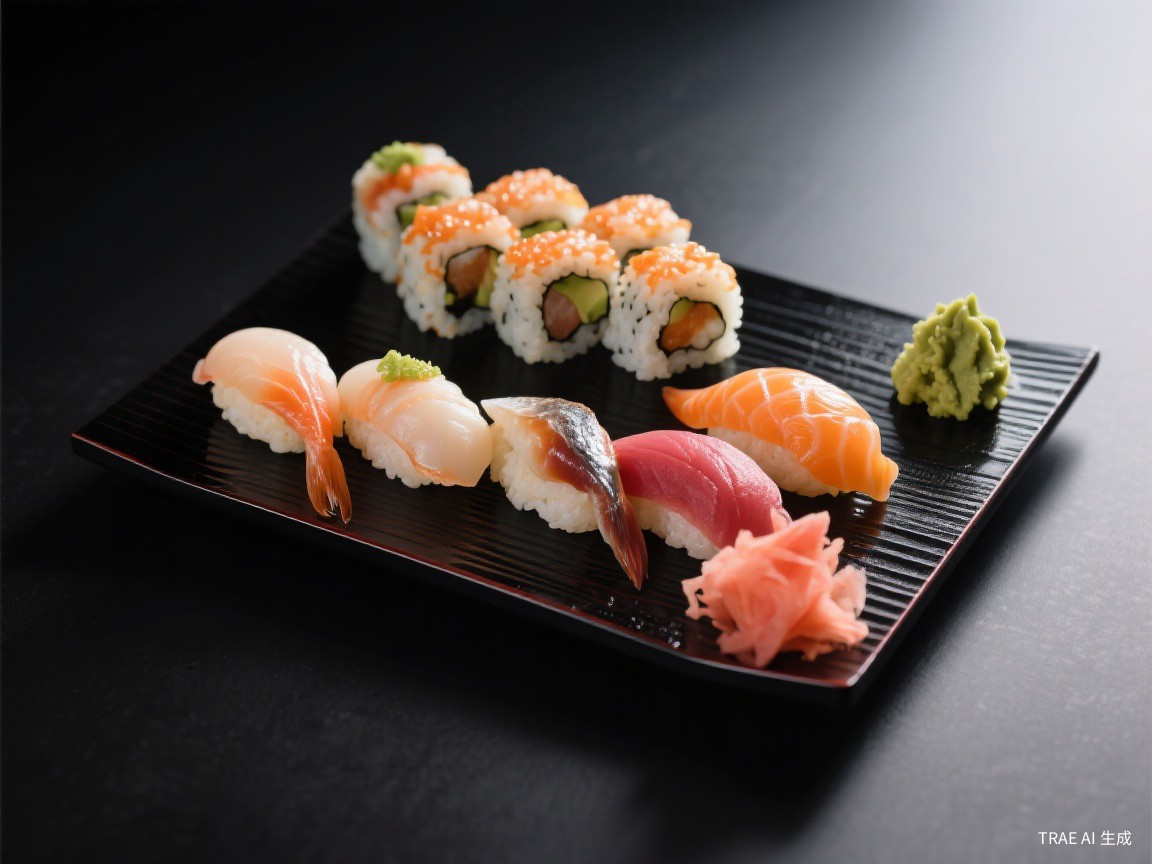
The Instagram Food Revolution
No single platform has done more to democratize food photography than Instagram. Launched in 2010, Instagram provided anyone with a smartphone the tools to capture, edit, and share photographs of their food with a global audience. The results have been transformative. Food is now among the most photographed subjects on the platform, with an estimated 300 million food-related posts as of 2025. The hashtag #foodporn alone has accumulated over 300 million uses.
Instagram changed not only who takes food photographs but how they take them. The platform's square format encouraged a particular style of composition—centered, symmetrical, and graphic. Its filters allowed users to enhance colors and contrast with a single tap, creating a distinctive visual aesthetic that became synonymous with social media food culture. The "flat lay" photograph, shot from directly overhead with the food arranged on a surface below, became one of the defining visual tropes of the 2010s.
The Instagram food revolution has had profound effects on the restaurant industry. Dishes are now designed with their photogenic qualities in mind—a phenomenon sometimes called "Instagrammability." Restaurants invest in distinctive tableware, dramatic plating techniques, and visually striking interiors, knowing that customer photographs are a form of free advertising that reaches far beyond traditional marketing channels. The "avocado toast" phenomenon, in which a simple dish became a global sensation largely through social media sharing, demonstrated the commercial power of food photography in the digital age.
"We eat with our eyes first. This has never been more true than in the age of Instagram, where a single photograph can make or break a restaurant, launch a food trend, or turn an unknown chef into a celebrity overnight."
— David Lebovitz, Food Writer and Photographer
Lighting: The Foundation of Great Food Photography
Professional food photographers will tell you that lighting is everything. The most beautifully plated dish, photographed under harsh fluorescent lights, will look unappetizing. The simplest bowl of soup, bathed in soft, directional light, can look like a masterpiece. Understanding light is the single most important skill in food photography, and it begins with understanding the difference between natural and artificial sources.
Natural Light: The Gold Standard
Natural light—specifically, the soft, diffused light that comes from a window on an overcast day—is widely considered the ideal light source for food photography. Window light is directional, meaning it creates gentle shadows that reveal texture and dimension. It is also naturally diffused by the atmosphere, producing a soft quality that flatters food without creating harsh highlights or deep, impenetrable shadows.
The direction of natural light matters enormously. Backlighting—where the light source is behind the food, shining toward the camera—creates a luminous, ethereal quality that works beautifully for translucent foods like sliced fruit, jams, and beverages. It emphasizes the internal glow and color of food, making a glass of wine look jewel-like or a stack of pancakes look golden and inviting. Side lighting, where the light comes from the left or right, is better for revealing texture—the crumb of a bread loaf, the grill marks on a steak, the flaky layers of a croissant.
Photographer's Tip
The best natural light for food photography comes from a north-facing window (in the Northern Hemisphere), which provides consistent, indirect light throughout the day without the harshness of direct sun. If you only have a south-facing window, hang a sheer white curtain over it to diffuse the light. Avoid shooting in direct sunlight, which creates hard shadows and washed-out highlights.
Artificial Light: Controlled Precision
While natural light is beautiful, it is also unpredictable. Clouds move, the sun shifts, and the quality of light changes throughout the day. For professional food photography—particularly in studio settings—artificial lighting offers the control and consistency that natural light cannot. Modern food photographers typically use a combination of softboxes, diffusers, and reflectors to create a light that mimics the quality of natural window light while remaining completely controllable.
The key to artificial food lighting is softness. Hard, direct light—like an on-camera flash—creates unflattering specular highlights and deep shadows that make food look flat and unappetizing. Softboxes, which are essentially large fabric boxes that fit over studio lights, diffuse the light source and spread it over a larger area, producing the gentle, wrapping quality that makes food look appealing. Reflectors—white or silver panels placed opposite the light source—bounce light back into the shadows, reducing contrast and revealing detail in darker areas of the frame.
Food Styling: The Art of Deception
Food styling is the hidden craft behind virtually every food photograph you have ever seen in advertising, editorial, or social media. A food stylist's job is to make food look its absolute best for the camera—a task that often involves techniques that would be considered deceptive, impractical, or outright inedible in a real kitchen. The gap between what appears in a photograph and what you would actually be served is sometimes startling.
Some of the most well-known food styling tricks have become industry lore. Motor oil is used instead of maple syrup because real syrup absorbs into pancakes and looks dull on camera. Mashed potatoes are piped through a pastry bag to simulate ice cream, which would melt under studio lights. A carefully placed toothpick can prop up a leaning burger or hold a sandwich's ingredients at the perfect angle. Spray bottles filled with water or glycerin create the illusion of fresh condensation on a cold glass. Shoe polish is applied to the underside of a steak to make it look perfectly seared. Grill marks are added with a heated wire, not a grill.
- Motor oil for syrup: Real maple syrup soaks into pancakes within minutes; motor oil maintains its glossy sheen indefinitely under hot studio lights
- Mashed potatoes for ice cream: Real ice cream melts quickly under photographic lighting; mashed potatoes hold their shape and can be sculpted and textured to look like a perfect scoop
- Hairspray for shine: A light mist of hairspray gives fruits and vegetables a fresh, dewy appearance that water alone cannot achieve
- Toothpicks and wire: Used to stabilize leaning items, prop up ingredients, and create the illusion of structural integrity in multi-layered foods
- Steam from cotton balls: Soaked in hot water and hidden behind food, they produce a steady stream of steam that makes hot dishes look freshly cooked
It is worth noting that these techniques are primarily associated with commercial and advertising photography, where the goal is to create an idealized image of a product. Editorial food photography—particularly in the current era—tends to be more honest, with a growing preference for "real" food that looks like what a reader might actually cook and eat at home. The rustic, imperfect aesthetic popularized by food bloggers and Instagrammers has, to some extent, pushed back against the hyper-stylized look of traditional food advertising.
The Ethics of Food Photography
The deceptive techniques of food styling raise legitimate ethical questions. When a fast-food chain's advertisement shows a towering, juicy burger that bears little resemblance to the flattened, paper-wrapped item you receive at the drive-through, is that merely creative license or is it consumer deception? Lawsuits have been filed over this exact issue, and regulatory bodies in several countries have taken positions on the acceptable degree of alteration in food advertising.
In the United States, the Federal Trade Commission has generally held that food advertising must feature the actual product being sold, though it may be "styled" for presentation. The product in the photograph must be the same product the consumer will receive—it cannot be replaced with a different substance. However, the styling, lighting, and arrangement of the product can be optimized for visual appeal. This means that the burger in the ad is a real burger, but it may have been carefully assembled with the most attractive ingredients positioned facing the camera, and the sesame seeds on the bun may have been individually placed with tweezers.
In the era of social media, the ethical landscape has become more complex. When food influencers use filters, editing apps, and styling tricks to present an idealized version of a restaurant dish, they are setting expectations that the real experience may not meet. The gap between the Instagram image and the reality can lead to disappointment, resentment, and even harm to small businesses that are judged against an artificially high standard. Some restaurants have reported receiving negative reviews from customers who expected their meal to look like the filtered photographs they saw online.
"The most ethical food photography is that which makes real food look beautiful, not that makes fake food look real. The goal should be to reveal the inherent beauty of actual food, not to construct an illusion that no kitchen could produce."
— Mimi Thorsborne, Food Stylist and Author
Tips for Home Food Photographers
You do not need professional equipment or a food stylist to take compelling food photographs. Some of the most striking food images on social media are taken with smartphones by home cooks who understand a few basic principles. Here are practical tips that can elevate your food photography from snapshots to images that genuinely make people hungry.
- Master natural light first: Before investing in artificial lighting equipment, learn to work with window light. Position your food near a window and observe how the light changes as you move around it. Shoot from the angle that gives you the most appealing combination of highlights and shadows.
- Control your background: A cluttered background distracts from the food. Use a simple surface—wood, marble, a linen napkin—and remove anything that does not contribute to the composition. Negative space is your friend; it gives the eye room to rest and the food room to breathe.
- Think about angles: Different foods look best from different angles. Shoot flat dishes like pizzas and decorated cakes from directly overhead. Shoot tall items like burgers and layered parfaits at a 45-degree angle. Shoot drinks and bowls of soup at a slightly lower angle to capture the surface and the interior simultaneously.
- Use props intentionally: A well-chosen prop—a vintage fork, a linen napkin, a scattering of fresh herbs—can add context, color, and visual interest to a food photograph. But every prop should serve a purpose. If it does not add to the story or the composition, leave it out.
- Edit with restraint: Post-processing can enhance a food photograph, but heavy-handed editing—excessive saturation, aggressive sharpening, unnatural colors—usually makes food look less appetizing, not more. Adjust brightness and contrast subtly, warm up the color temperature slightly to make food look more inviting, and crop for better composition.
Quick Tip
Before pressing the shutter, ask yourself: does this photograph make me hungry? If the answer is no, something needs to change—whether it is the lighting, the angle, the composition, or the food itself. The ultimate test of a food photograph is not its technical perfection but its ability to stimulate appetite.
The Future of Food Photography
As camera technology continues to advance and social media platforms evolve, food photography is changing in ways that would have been unimaginable even a decade ago. Computational photography—the use of algorithms to enhance images in real time—is making it possible to take professional-quality food photographs with devices that fit in a pocket. Artificial intelligence is being used to generate food images that are entirely synthetic, raising new questions about authenticity and trust in visual media.
Video has also become an increasingly important format for food content. Short-form video platforms like TikTok have created a new genre of food media—the cooking video, in which the preparation of a dish is captured in fast-paced, visually dynamic sequences. These videos prioritize motion, sound, and process over the static beauty of a plated dish, and they have introduced a new set of aesthetic conventions: the satisfying chop, the dramatic pour, the slow-motion sizzle.
Despite these technological shifts, the fundamental challenge of food photography remains unchanged. Whether working with a large-format film camera or the latest smartphone, the goal is the same: to capture something of the pleasure, the artistry, and the human connection that food represents. The Dutch still life painters understood this. The editorial photographers of the mid-20th century understood it. And every home cook who has ever paused before a meal to snap a photograph understands it too: food is beautiful, and sharing that beauty with others is one of the simplest and most universal forms of human generosity.
Improve Your Food Photography
Join our photography workshop series and learn professional techniques for capturing stunning food images with any camera.
Learn More