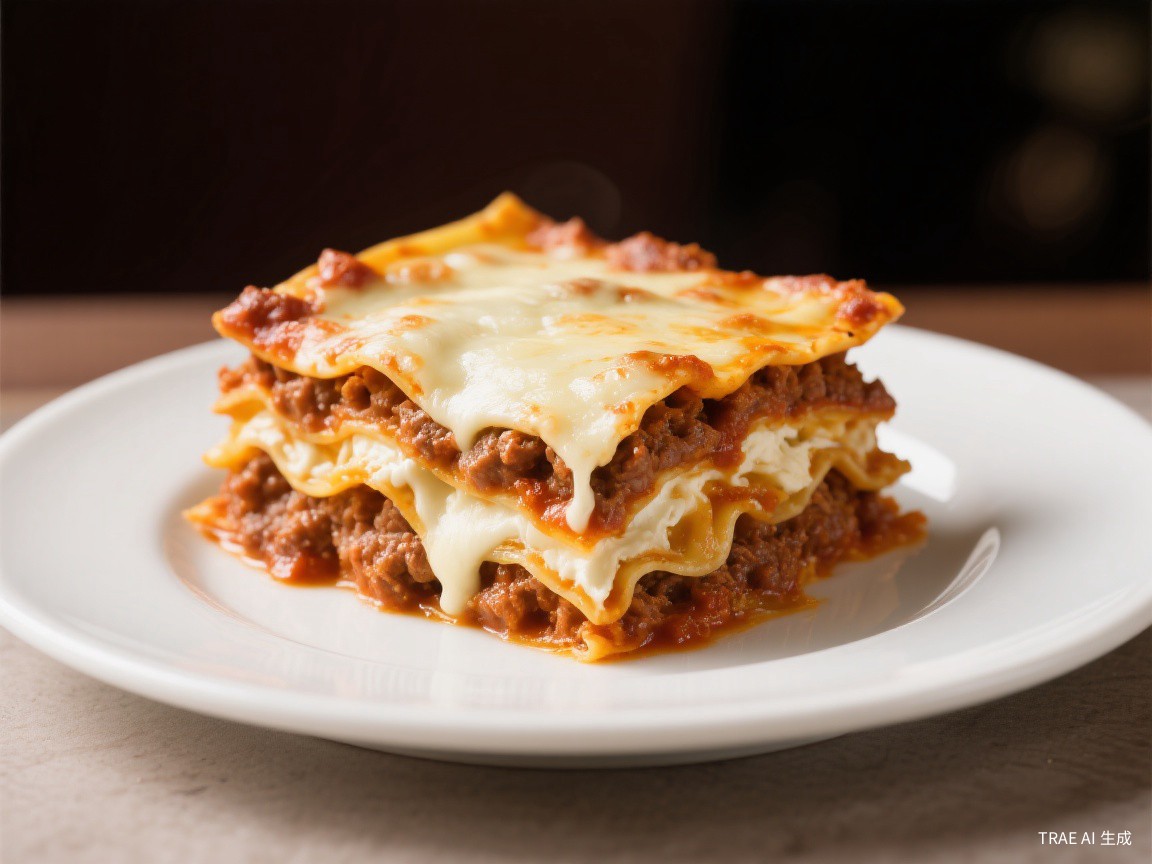
If there is a single dish that bridges the gap between Nonna's kitchen in Naples and a bustling pub in Melbourne, it is chicken parmigiana. Crispy, golden, saucy, and blanketed in molten mozzarella, this beloved creation tells a story of immigration, adaptation, and the irresistible human desire to make something thoroughly one's own. It is a dish that has traveled further than most, picking up new identities along the way, yet never losing the soul of what makes it extraordinary.
The Eggplant That Started It All
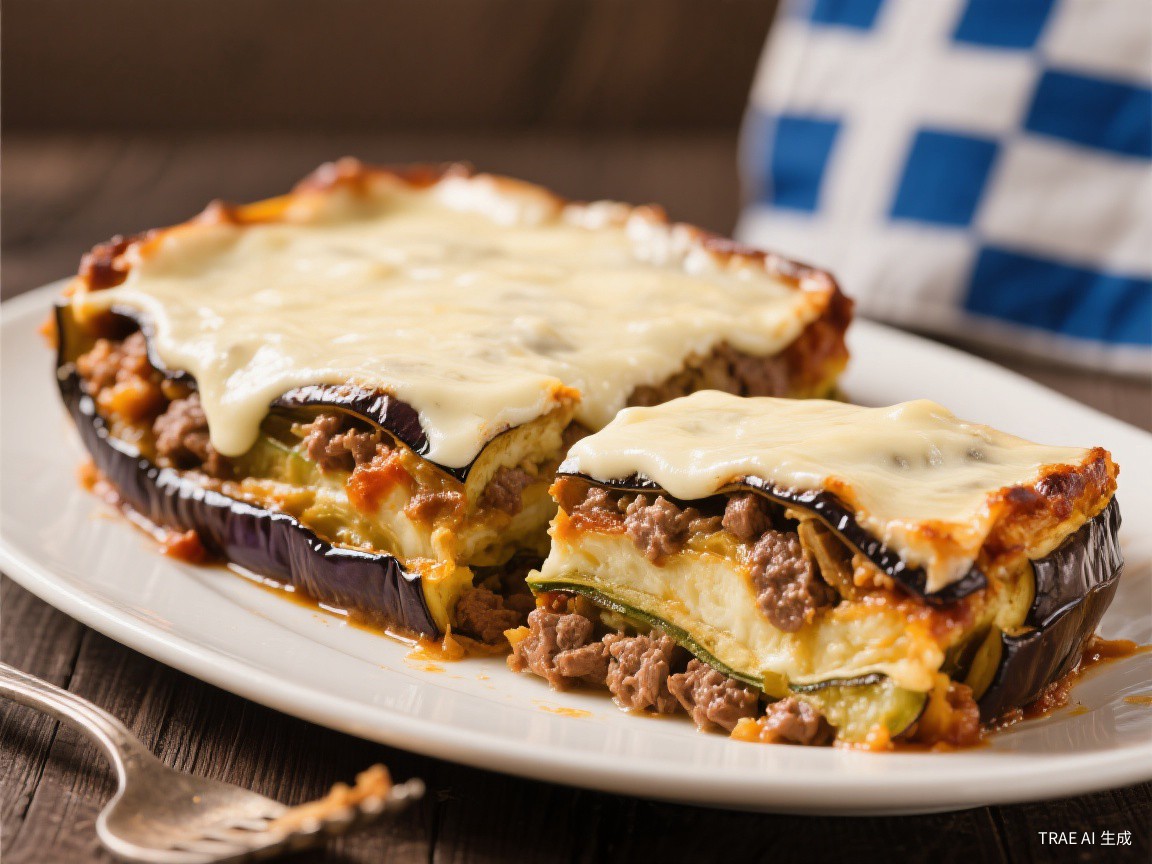
To understand chicken parmigiana, you must first look to its older sibling: melanzane alla parmigiana. This classic Neapolitan dish, layered with fried eggplant slices, tomato sauce, and Parmigiano-Reggiano, has been a cornerstone of southern Italian cooking since at least the eighteenth century. The name itself is a subject of gentle debate among Italians—some argue it refers to the city of Parma and its famous cheese, while others insist it comes from the Sicilian word "parmiciana," describing the overlapping arrangement of wooden louver shutters, much like the way the eggplant slices are layered in the dish.
What nobody debates is that the original parmigiana had no chicken whatsoever. It was a dish born from the abundance of eggplant in the Mediterranean sun, a celebration of the vegetable at its most glorious. The genius lay in the layering—each stratum of fried eggplant, bright tomato sauce, and sharp grated cheese building upon the last until the whole became something far greater than its parts. My own grandmother in Campania would prepare it on feast days, and I can still remember the way the kitchen smelled of frying oil and San Marzano tomatoes for hours afterward.
The Great Migration to America
When millions of southern Italians emigrated to the United States between the 1880s and the 1920s, they brought their recipes with them. But America offered ingredients that were both familiar and different—more abundant meat, different tomato varieties, and a culture that celebrated protein-centered plates. In the kitchens of Little Italy and the neighborhoods of Brooklyn and Boston, resourceful Italian-American cooks began swapping eggplant for chicken cutlets, which were more accessible and felt more like a proper meal to families adjusting to their new homeland.
The transition was not merely practical. Chicken cutlets, pounded thin and breaded, had their own heritage in Italian cooking—cotoletta alla Milanese being the most famous example. Combining the Milanese breading tradition with the Neapolitan parmigiana technique created something entirely new: a dish that was crispy where the original was soft, meaty where the original was vegetarian, and utterly irresistible in its own right.
"Chicken parmigiana is not a betrayal of Italian cooking. It is a love letter written in a new language, by people who carried their food traditions across an ocean and made them sing in a different key."
— Chef Marco
The Breading: A Three-Step Symphony
The quality of a chicken parmigiana rises or falls on its breading, and the classic flour-egg-breadcrumb method is the gold standard for good reason. Each layer serves a distinct purpose. The flour dredge creates a dry surface that helps the egg adhere. The egg wash provides the sticky binder. And the breadcrumbs—ideally seasoned with grated Parmigiano-Reggiano, garlic powder, and finely chopped parsley—form the crispy crust that gives the dish its signature crunch.
Pounding the chicken to an even thickness of roughly half an inch is essential. Not only does this ensure uniform cooking, but it also tenderizes the meat by breaking down muscle fibers. I recommend placing the cutlets between two sheets of plastic wrap and using a meat mallet or the bottom of a heavy skillet. Work from the center outward with firm, even strokes. The goal is a cutlet that is thin enough to cook through quickly but thick enough to maintain some juiciness beneath the crust.
Chef's Tip
For an extra-crispy crust, let the breaded cutlets rest on a wire rack for at least fifteen minutes before frying. This allows the breading to dry slightly and adhere more tightly to the chicken, reducing the chance of it separating during frying. Some Italian-American kitchens even refrigerate the breaded cutlets for an hour—a technique that produces a remarkably shatter-crisp exterior.
Pan-Frying vs. Deep-Frying
Traditional Italian-American chicken parmigiana is shallow-fried in about a quarter inch of olive oil or a blend of olive oil and neutral oil. Deep-frying produces a more uniform crust but can make the dish excessively heavy. Pan-frying, while requiring more attention and the discipline to resist moving the cutlets too soon, yields a crust that is crispy where it matters—the bottom and edges—while remaining relatively light overall. The key is patience: let the cutlet develop a golden crust before attempting to flip it. If it resists, it is not ready.
The Marinara Question
A proper chicken parmigiana demands a marinara sauce that can hold its own against the richness of the fried cutlet and melted cheese. This is not the time for a raw, quick-blended sauce. You want a sauce that has simmered for at least forty-five minutes, allowing the tomatoes to break down and their sugars to concentrate. San Marzano tomatoes, grown in the volcanic soil at the base of Mount Vesuvius, remain the gold standard for their balance of sweetness and acidity.
The sauce should be seasoned simply—garlic sautéed in olive oil until fragrant but not browned, the tomatoes added with a pinch of salt, a few torn basil leaves, and perhaps a dried oregano sprig. Some cooks add a splash of red wine for depth, and a touch of sugar or a carrot half can tame excessive acidity. The goal is a sauce that is bright enough to cut through the richness of the cheese but substantial enough to feel like a proper bed for the chicken.
The Cheese: Mozzarella and Beyond
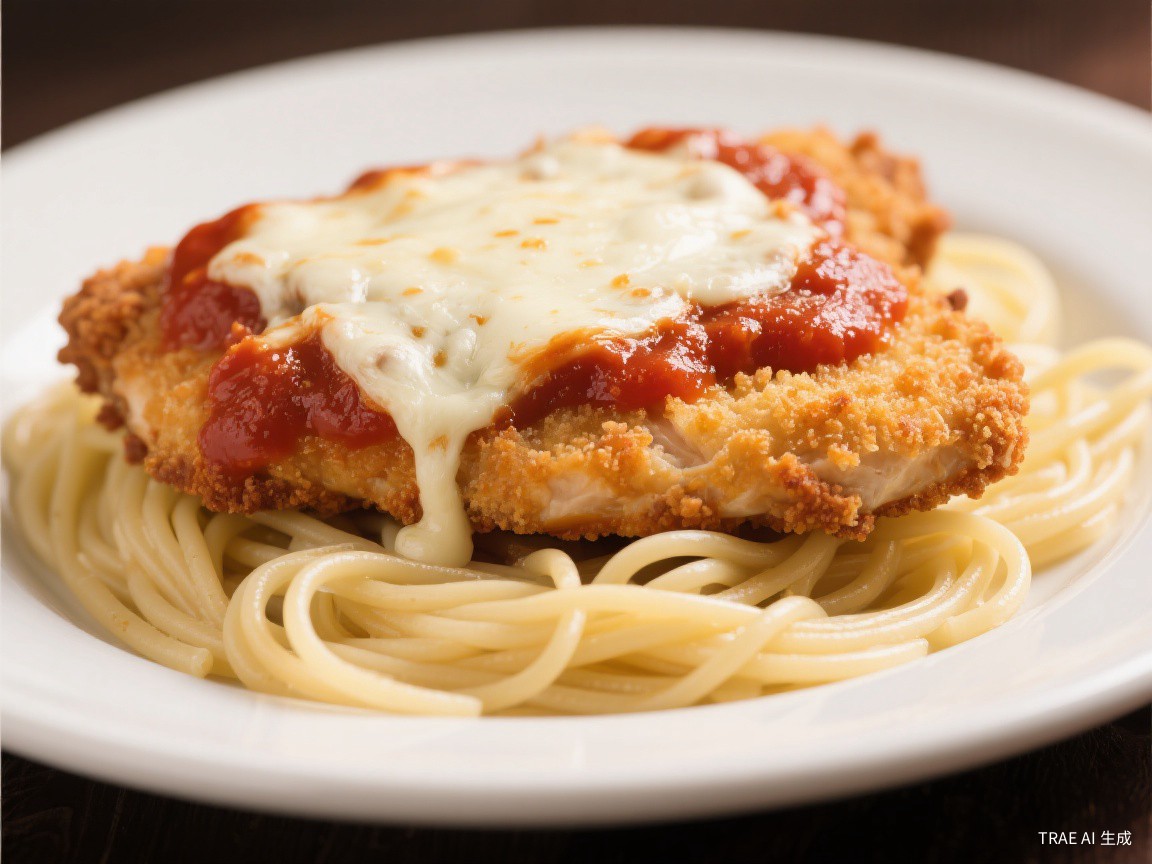
Low-moisture mozzarella is the traditional choice for chicken parmigiana, and for good reason. Fresh mozzarella, while exquisite on its own, releases too much water when baked, creating a soupy layer between the chicken and the sauce. Low-moisture mozzarella, shredded from a block rather than bought pre-shredded, melts into a smooth, elastic blanket that stretches satisfyingly when you cut into the dish and browns beautifully under the broiler.
The Parmigiano-Reggiano, mixed into the breadcrumbs and sprinkled over the top before baking, provides sharp, nutty counterpoint to the mild mozzarella. Some cooks add a handful of provolone for a subtle smokiness, and a scattering of pecorino Romano can introduce a pleasant saltiness. But the core trio—breading, mozzarella, Parmigiano—is all you truly need.
The Australian Pub Phenomenon
What makes chicken parmigiana truly remarkable is its global journey. While Italian-Americans created the dish, Australians adopted it with an enthusiasm that borders on national devotion. In Australia, the "chicken parma" is a pub staple of almost religious significance. Walk into any pub from Sydney to Perth on a Tuesday night—the traditional parmigiana night—and you will find the dish on nearly every menu, often served with chips and a side salad, sometimes topped with ham, bacon, or even an egg.
Australian chicken parmigiana tends to be larger and more elaborate than its American cousin. The chicken is often thicker, the cheese layer more generous, and the toppings more adventurous. Pubs compete for the title of best parma in their city, and the dish has spawned festivals, social media accounts, and fierce local loyalties. It is, by some measures, the most ordered dish in Australian pubs—a remarkable fate for a recipe that began as an eggplant casserole in southern Italy.
- Italian parmigiana: Eggplant-based, layered like a casserole, no breading
- American chicken parm: Breaded cutlet, marinara, mozzarella, often served over pasta
- Australian chicken parma: Larger cutlet, pub-sized portions, often topped with ham and served with chips
- Chicken parmigiana sandwich: Served on a long roll, a staple of American delis and sub shops
Serving and Pairing
In Italian-American homes, chicken parmigiana is most commonly served over spaghetti, the pasta dressed lightly with marinara so it does not compete with the main event. A side of garlic bread or a simple green salad with red wine vinaigrette rounds out the plate. For wine, a medium-bodied Italian red such as a Chianti Classico or a Barbera d'Asti pairs beautifully, their acidity cutting through the richness of the cheese and fried chicken.
If you are serving the Australian pub style, thick-cut chips and a crisp garden salad are non-negotiable. And a cold lager or pale ale is the traditional accompaniment—there is something about the combination of cold beer, crispy chicken, and melted cheese that feels fundamentally right, regardless of which hemisphere you are in.
Common Mistakes to Avoid
- Skipping the resting step: Fried cutlets need to rest on a wire rack, not paper towels, to maintain their crunch.
- Using pre-shredded cheese: Anti-caking agents prevent proper melting. Always shred from a block.
- Overloading with sauce: The chicken should be sauced, not drowning. Too much sauce makes the breading soggy.
- Under-baking: The dish needs time in the oven for the sauce, chicken, and cheese to meld. Ten to twelve minutes at 400 degrees Fahrenheit is ideal.
- Not finishing under the broiler: Those last two minutes under high heat create the bubbly, golden cheese crust that makes the dish visually stunning.
A Dish That Belongs to Everyone
What I find most beautiful about chicken parmigiana is that no single culture can claim exclusive ownership of it. Italians created the concept. Italian-Americans transformed it. Australians embraced it and made it their own. And today, you will find variations of it in restaurants around the world, each one reflecting the tastes and traditions of the community that adopted it. It is a dish that proves the best food is never static—it evolves, travels, and finds new homes, carrying a piece of its history with every iteration.
Whether you make it the way my grandmother never did—with chicken instead of eggplant—or you stick closer to the Neapolitan original, the spirit of parmigiana remains the same: layers of flavor, care in preparation, and the joy of sharing something deeply satisfying with the people you love.
Ready to Make the Perfect Chicken Parm?
Download our complete recipe card with step-by-step photos, timing guides, and sauce variations.
Get the Free Recipe