Few dishes embody the soul of Italian home cooking quite like lasagna. Those towering layers of pasta, meat sauce, and creamy bechamel, all crowned with a golden cheese crust, represent everything we love about comfort food. Yet behind this seemingly simple construction lies a world of technique, tradition, and attention to detail that separates the merely good from the truly memorable.
The Foundation: Understanding Authentic Lasagna
Before diving into technique, it's essential to understand what makes lasagna truly authentic. The classic version, Lasagna alla Bolognese, hails from Bologna and follows strict conventions that have been refined over generations. This isn't to say other versions aren't delicious, but understanding the traditional approach provides a foundation for all variations.
Authentic Bolognese lasagna features fresh egg pasta sheets, a slow-cooked meat ragu, and bechamel sauce. Notice what's missing? That's right, no ricotta, no mozzarella, and certainly no cottage cheese. The creamy element comes entirely from bechamel, which creates a luxurious texture that cheese-heavy versions simply cannot achieve.
Chef's Tip
The key to great lasagna is patience. Each component needs proper time to develop its flavors. Rush the ragu, and you'll miss the depth that comes from slow cooking. Rush the assembly, and your layers will slide apart. Give this dish the time it deserves.
The Art of the Ragu
A proper Bolognese ragu is not a quick tomato sauce with ground beef. It's a carefully constructed masterpiece that typically takes three to four hours to reach perfection. The meat mixture traditionally includes both beef and pork, with some recipes calling for pancetta or prosciutto for additional depth.
The cooking process begins with the soffritto, a foundation of finely diced onion, carrot, and celery cooked slowly in olive oil or butter. This aromatic base provides the subtle sweetness and complexity that distinguishes great ragu from ordinary meat sauce. Take your time here; the vegetables should be soft and golden, not browned or caramelized.
Building Layers of Flavor
- The soffritto: Onions, carrots, and celery in a 2:1:1 ratio
- The meats: Ground beef and pork, browned gently
- The liquids: Wine first, then milk, finally tomatoes
- The time: Minimum three hours of gentle simmering
Mastering Bechamel Sauce
Bechamel is perhaps the most misunderstood component of lasagna. Many home cooks skip it entirely, substituting ricotta or cheese mixtures. This is a mistake. Bechamel provides the creamy, cohesive element that binds the layers together and creates that characteristic silky texture.
The technique is straightforward but requires attention. Start with a roux of butter and flour, cooking it just long enough to remove the raw flour taste without browning. Gradually whisk in warm milk, stirring constantly to prevent lumps. Simmer until thickened, then season with nutmeg, salt, and white pepper.
"Bechamel is the soul of lasagna. It's what transforms separate layers into a unified dish. Skip it, and you're making something else entirely—perhaps delicious, but not lasagna in the traditional sense."
— Chef Lidia Bastianich
The Pasta Question
Fresh pasta sheets make a significant difference in lasagna. They're more tender, absorb sauce better, and create a more cohesive final dish. Making pasta from scratch requires only flour, eggs, and a rolling pin or pasta machine. The effort is modest, and the results are transformative.
That said, high-quality dried pasta sheets can produce excellent results. Look for brands that use bronze dies and slow drying methods. Avoid no-boil noodles unless you're specifically developing a recipe for them, as they absorb too much moisture and can throw off the carefully balanced ratios.
Assembly: The Architecture of Lasagna
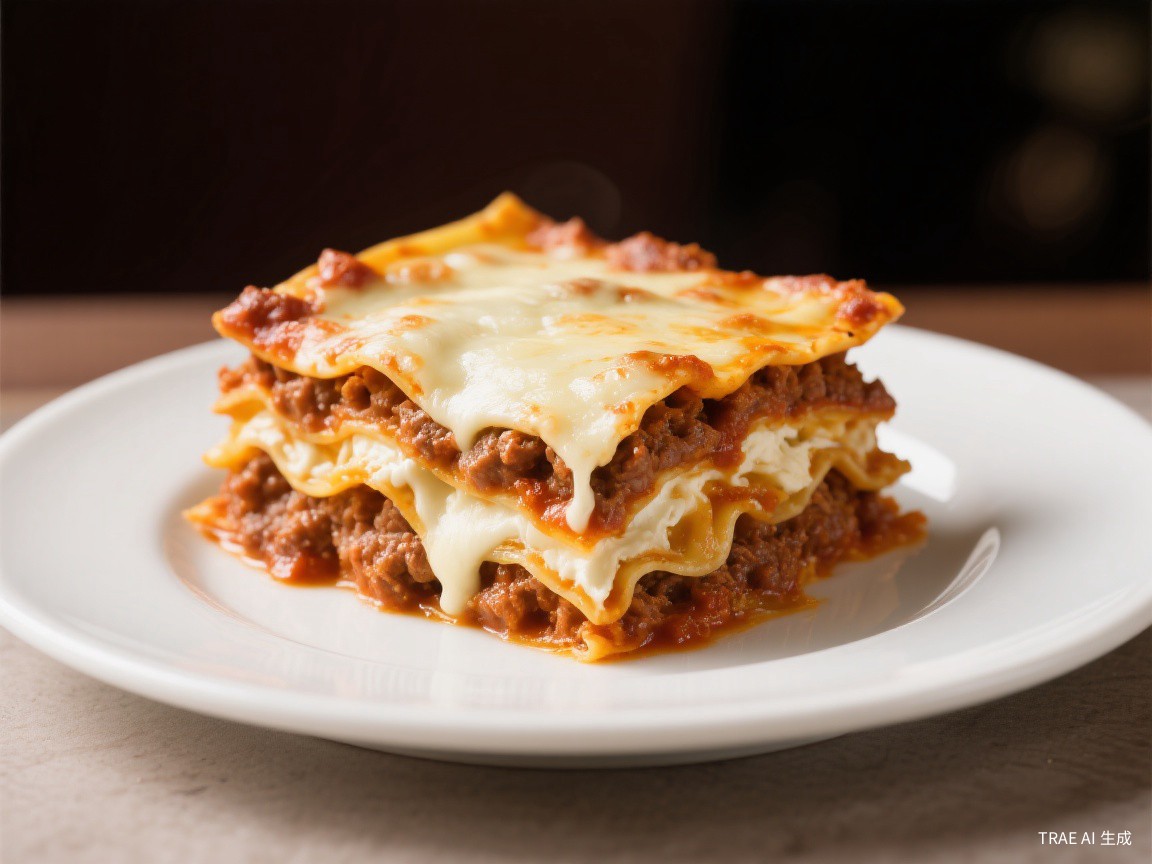
Building a lasagna is like constructing a building: the foundation matters, and each layer must be properly supported. Start with a thin layer of ragu on the bottom of your pan to prevent sticking. Then begin the alternating pattern: pasta, ragu, bechamel, repeat.
The number of layers varies by tradition and preference, but four to five layers of pasta is typical. Finish with a final layer of bechamel and a generous sprinkling of Parmigiano-Reggiano. The cheese will form that coveted golden crust during baking.
Assembly Order
- Thin layer of ragu on pan bottom
- Pasta sheets (slightly overlapping)
- Spoonful of ragu, spread thin
- Dollops of bechamel, spread gently
- Repeat until reaching desired height
- Finish with bechamel and Parmesan
The Resting Period
Perhaps the most overlooked aspect of lasagna is the resting period after baking. Pull the dish from the oven, and you'll want to dive in immediately. Resist this urge. A proper rest of at least fifteen minutes allows the layers to set, making clean slices possible and ensuring the sauce doesn't run onto the plate.
In fact, lasagna is often better the next day. The flavors continue to meld, and the texture becomes even more cohesive. Many Italian cooks make lasagna a day ahead, then reheat individual portions. This approach also makes it perfect for entertaining, as the work is done in advance.
Beyond the Classic
Once you've mastered traditional lasagna, a world of variations opens up. Vegetable lasagnas featuring roasted zucchini, eggplant, and spinach offer lighter alternatives. Seafood versions with shrimp and scallops in a white wine cream sauce provide elegant dinner party options. Even dessert lasagnas with sweetened ricotta and chocolate have their place.
The principles remain constant regardless of variation: quality ingredients, properly prepared components, careful assembly, and patient cooking. Master these fundamentals, and you can adapt lasagna to any season, occasion, or dietary preference.
Ready to Create Your Masterpiece?
Download our complete lasagna guide with timing charts and troubleshooting tips for perfect results every time.
Get the Free Guide