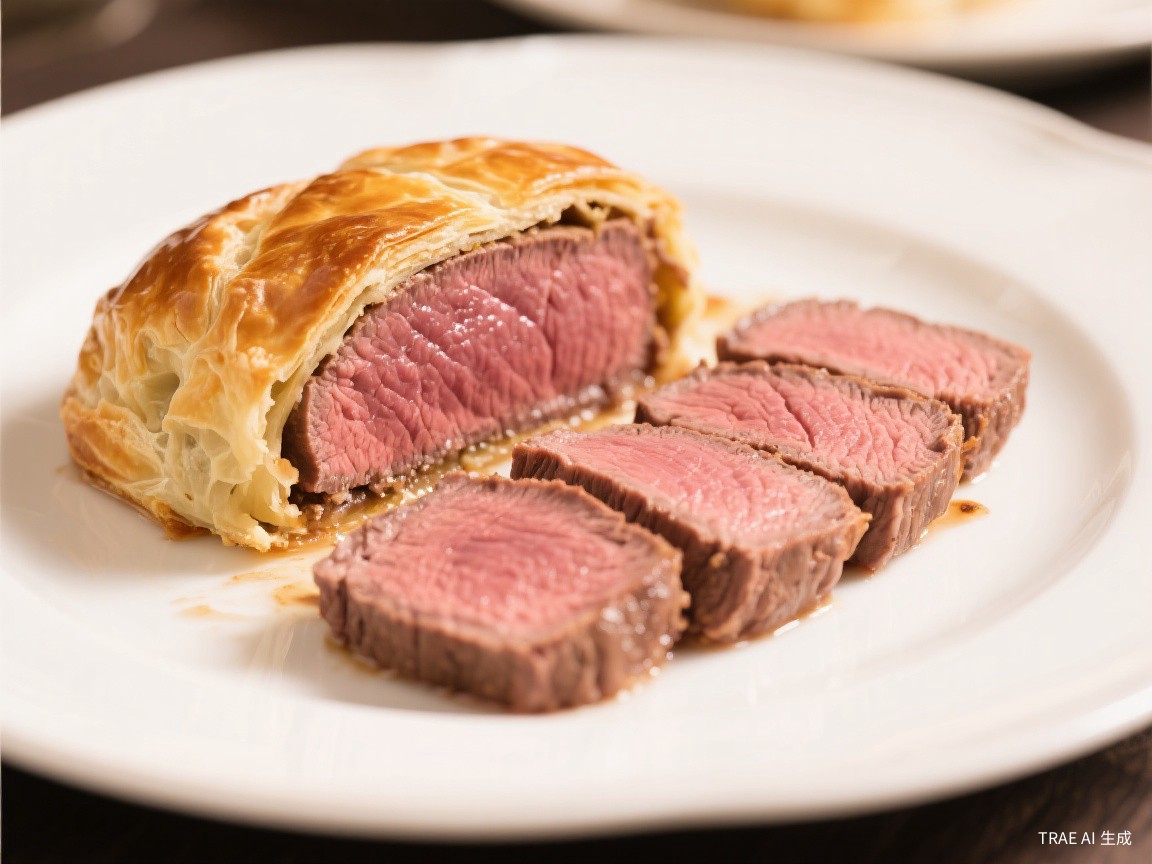
Few dishes command the respect and admiration of a perfectly executed Beef Wellington. This magnificent centerpiece, with its golden puff pastry exterior concealing layers of savory mushroom duxelles, prosciutto, and succulent beef tenderloin, represents the pinnacle of classical British cooking. It's the dish that transforms an ordinary dinner into an unforgettable occasion.
The History Behind the Legend
The origins of Beef Wellington are shrouded in culinary mythology. While popular belief associates it with Arthur Wellesley, the first Duke of Wellington, food historians suggest the dish likely evolved from French filet de boeuf en croûte. What's undeniable is its status as a symbol of British gastronomic excellence since the mid-20th century.
The dish gained particular prominence during the 1960s when it became a staple of fine dining establishments and sophisticated dinner parties. Its combination of luxury ingredients and technical challenge made it the ultimate test of a chef's skill. Today, it remains the benchmark by which many home cooks measure their culinary ambitions.
Chef's Tip
Success with Beef Wellington is 90% preparation. Read through the entire recipe twice before starting, and ensure all your ingredients are at the right temperature. Cold pastry and room-temperature beef create the perfect conditions for success.
Selecting the Perfect Cut
The foundation of any great Wellington is the beef tenderloin, specifically the center-cut portion known as the Chateaubriand. This section offers the most consistent thickness and tenderness. Look for a piece weighing between two and three pounds, with even marbling throughout and a bright, cherry-red color.
Quality matters enormously here. While you can certainly find tenderloin at your local supermarket, visiting a proper butcher will yield superior results. Ask them to trim the silver skin and chain, leaving you with a clean, uniform piece that will cook evenly. The investment in quality meat will be evident in every bite.
Understanding Meat Grades
- Prime: Highest quality with abundant marbling; ideal for Wellington
- Choice: Good quality with moderate marbling; acceptable for most preparations
- Select: Leaner cut; may require additional fat for optimal results
Creating the Perfect Duxelles
The mushroom duxelles layer serves multiple crucial functions: it adds depth of flavor, creates a moisture barrier between the meat and pastry, and contributes to the overall texture. Getting this element right is essential for Wellington success.
Traditional duxelles combines finely minced mushrooms with shallots, garlic, and herbs, slowly cooked until all moisture evaporates. This concentration process intensifies the umami character and ensures the filling won't make the pastry soggy. Most home cooks rush this step, but patience here pays dividends.
"The duxelles is where the Wellington reveals its soul. Take your time, let the mushrooms surrender their moisture completely, and you'll be rewarded with a depth of flavor that elevates the entire dish."
— Chef Gordon Ramsay
The Assembly: A Step-by-Step Guide
Assembly is where many Wellington attempts go awry. The key is creating distinct, even layers that will cook uniformly and slice beautifully. Begin by searing the beef on all sides, then brushing it with mustard while still warm. This initial step creates a flavorful crust and helps the subsequent layers adhere.
Lay out a large sheet of plastic wrap and arrange prosciutto slices in overlapping rows. Spread your cooled duxelles over the prosciutto, then place the seared beef at one edge. Using the plastic wrap as a guide, roll everything into a tight cylinder. Refrigerate for at least thirty minutes to firm up before wrapping in pastry.
Mastering the Pastry
While making puff pastry from scratch is a noble pursuit, even professional chefs often use high-quality store-bought versions for Wellington. The key is ensuring the pastry is properly thawed but still cold when you work with it. Too warm, and the layers will merge; too cold, and the pastry will crack.
Roll the pastry to approximately quarter-inch thickness, large enough to completely encase your beef cylinder. Create an egg wash by beating an egg with a tablespoon of water, then brush it over the pastry surface. This will help create that signature golden sheen during baking.
Essential Temperature Guidelines
- Internal beef temperature: 125°F for medium-rare (carryover cooking will bring it to 130°F)
- Oven temperature: 425°F for the first 15 minutes, then reduce to 375°F
- Resting time: Minimum 10 minutes before slicing
The Final Touches
Decorate your Wellington with pastry trimmings cut into leaves, braids, or geometric patterns. These not only add visual appeal but also demonstrate the care and attention you've invested in the dish. Brush everything with egg wash, being careful not to let it pool in crevices where it might create unsightly patches.
Bake until the pastry is deep golden brown and the beef reaches your desired doneness. Use a reliable instant-read thermometer inserted through the side of the pastry into the center of the meat. Remember that the temperature will rise several degrees during resting, so pull it slightly early.
Serving Your Masterpiece
Allow your Wellington to rest for at least ten minutes before slicing. This crucial step allows the juices to redistribute throughout the meat, ensuring each slice is moist and flavorful. Use a sharp serrated knife and cut with a gentle sawing motion to preserve the pastry's integrity.
Traditional accompaniments include roasted potatoes, glazed root vegetables, and a rich red wine sauce or Madeira jus. The sauce is particularly important, as it adds moisture and bridges the flavors between the meat and pastry. A simple reduction of good beef stock with a splash of wine often works better than elaborate preparations.
Ready to Impress Your Guests?
Download our complete Beef Wellington timing guide and temperature chart for foolproof results.
Get the Free Guide