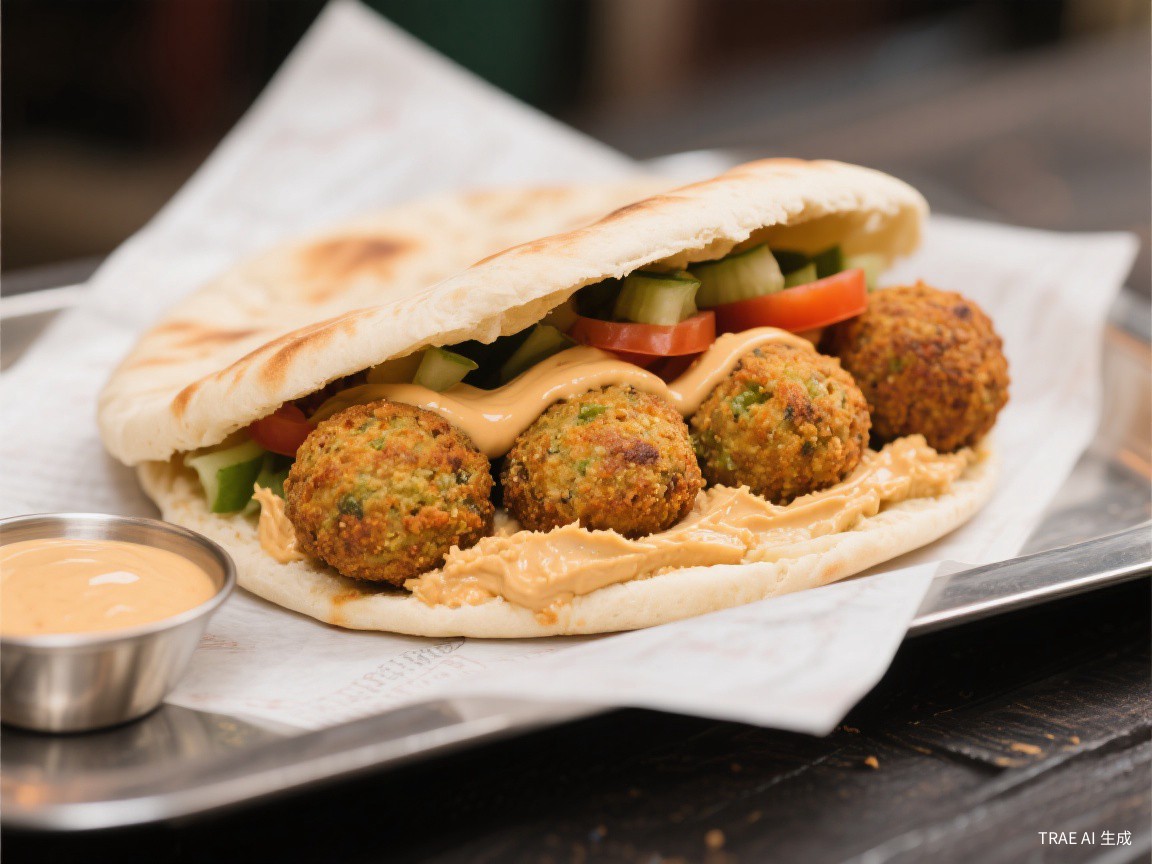
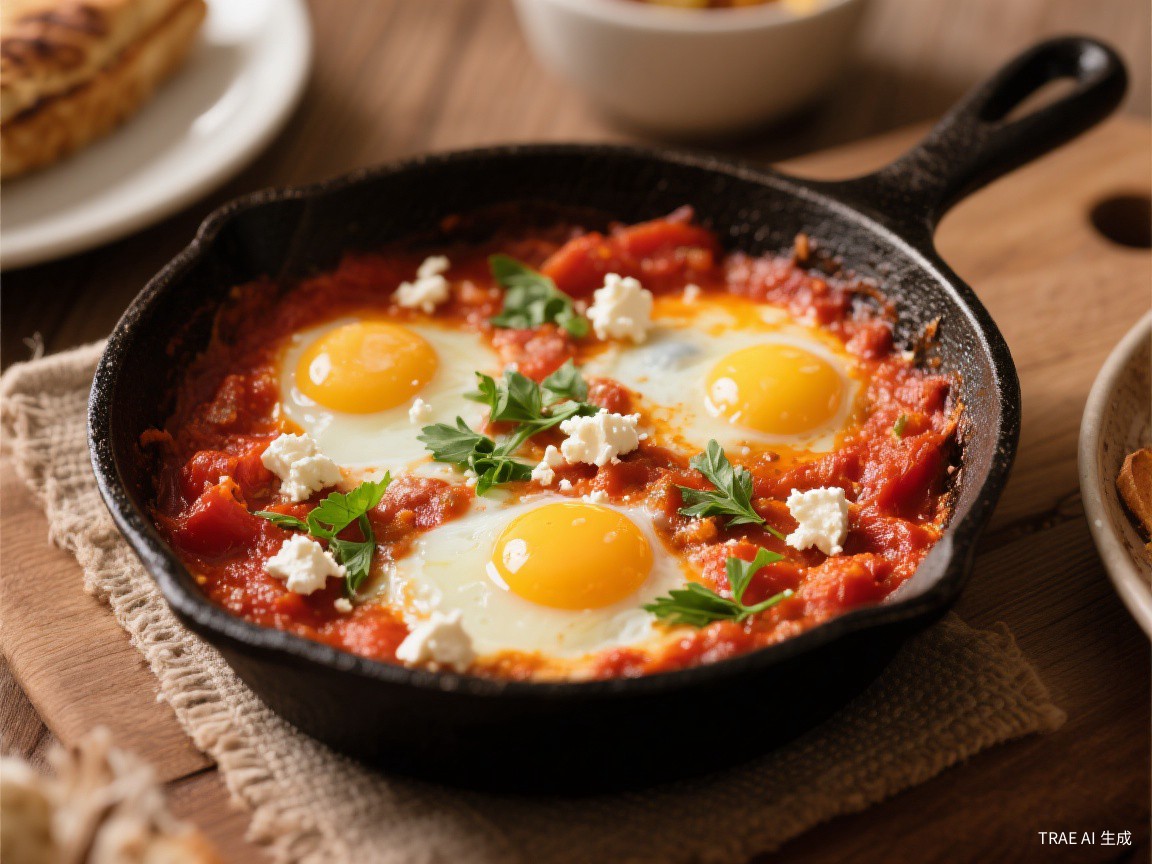
I grew up in a household where hummus was not a dip, not an appetizer, not a trendy health food—it was breakfast, lunch, and sometimes dinner. My grandmother made it every morning in a stone mortar, and the sound of that pestle grinding chickpeas against stone was the metronome of my childhood kitchen. So when people ask me who makes the best hummus, I smile, because the answer is both simple and impossibly complicated: it depends on who you ask, and they will defend their answer with the ferocity of a patriot defending their flag.
The Great Debate: Lebanon vs. Israel
The hummus wars are real, and they are fought with genuine passion on both sides. Lebanon and Israel both claim hummus as their national dish, and the rivalry has produced some extraordinary culinary achievements—including a 2010 event where Lebanese chefs assembled a bowl of hummus weighing over 23,000 pounds to reclaim a Guinness World Record previously held by Israel. The record has bounced back and forth ever since, each side outdoing the other with increasingly absurd quantities of mashed chickpeas.
Beyond the spectacle, the debate touches on something deeper: cultural ownership and culinary identity. The word "hummus" is simply the Arabic word for chickpeas, and dishes of mashed chickpeas with tahini have been eaten across the Levant for centuries—long before modern national borders existed. Historical records trace chickpea preparations back to 13th century Cairo, where the earliest known recipes describe something remarkably close to what we eat today. The truth is that hummus belongs to everyone who has ever stirred a pot of chickpeas with tahini and lemon, and arguing about ownership misses the point entirely.
"Hummus is not a dish. It is an idea—a conversation between chickpeas, tahini, lemon, and garlic that has been happening for eight hundred years. No single country can claim a conversation."
— Chef Yotam Ottolenghi
The Tahini Question: Quality Changes Everything
If there is one ingredient that separates exceptional hummus from mediocre hummus, it is tahini. Most supermarket tahini is acceptable for general cooking, but for hummus, you need the good stuff. Look for tahini made from 100% sesame seeds with no added oils, thickeners, or stabilizers. The best tahini comes from Ethiopian or Sudanese sesame seeds, which have a deeper, more complex flavor than the more common Turkish or Greek varieties.
Two brands I consistently recommend are Al Wadi and Soom. Al Wadi, a Lebanese brand, produces a tahini that is thick, intensely nutty, and slightly bitter in the best way—perfect for cutting through the sweetness of chickpeas. Soom, made from Ethiopian seeds, is smoother and more floral, with a roasted quality that adds remarkable depth. Whichever you choose, stir the tahini thoroughly before measuring, as the solids settle at the bottom of the jar during storage.
Chef's Tip
Always mix your tahini with lemon juice and ice water before adding the chickpeas. This pre-mixing—sometimes called "whipping the tahini"—transforms the paste from a dense, clumpy mass into a light, pale, fluffy emulsion. This single step is the difference between grainy hummus and silk. Whip for a full two to three minutes until the tahini turns white and doubles in volume.
The Lemon Juice Ratio
The amount of lemon juice in hummus is surprisingly contentious. Lebanese hummus tends to be more aggressively lemony, while Israeli versions often lean heavier on garlic and cumin. I find that one-third cup of fresh lemon juice per can of chickpeas (about 400 grams drained) hits the sweet spot—bright enough to lift the flavors without overwhelming the tahini's nuttiness. Always use fresh lemons; bottled juice contains preservatives that dull the flavor and alter the acidity profile.
To Peel or Not to Peel: The Chickpea Question
This is where home cooks divide into camps. Peeling each individual chickpea is tedious, time-consuming work—there is no way around it. A can of chickpeas contains roughly 400 individual legumes, and slipping the thin translucent skin off each one by pinching it between your fingers takes about twenty minutes of focused effort. So is it worth it?
Unequivocally, yes. The skins are the primary source of grittiness in hummus. When blended, they create tiny fibrous particles that prevent the puree from reaching that cloud-like smoothness that defines great hummus. I have tested this dozens of times: the same recipe, identical ingredients, one batch peeled and one unpeeled. The peeled version is invariably smoother, creamier, and more luxurious. The unpeeled version is fine—perfectly acceptable—but it is not transcendent.
That said, I understand that not everyone has twenty minutes to devote to chickpea dermatology. A practical compromise: peel half the chickpeas and leave the other half. You will get most of the smoothness benefit with half the effort. Alternatively, use dried chickpeas that have been soaked overnight with a pinch of baking soda—the alkaline environment softens the skins significantly, reducing but not eliminating the need for peeling.
The Ice-Cold Serving Debate
In the Middle East, hummus is traditionally served at room temperature or slightly cool—never refrigerator-cold and never warm. The ideal serving temperature is around 60 to 65 degrees Fahrenheit (15 to 18 degrees Celsius), which allows the flavors of tahini, lemon, and garlic to express themselves fully. Cold hummus mutes flavors and thickens the texture; warm hummus causes the oils to separate and the texture to become loose and unappealing.
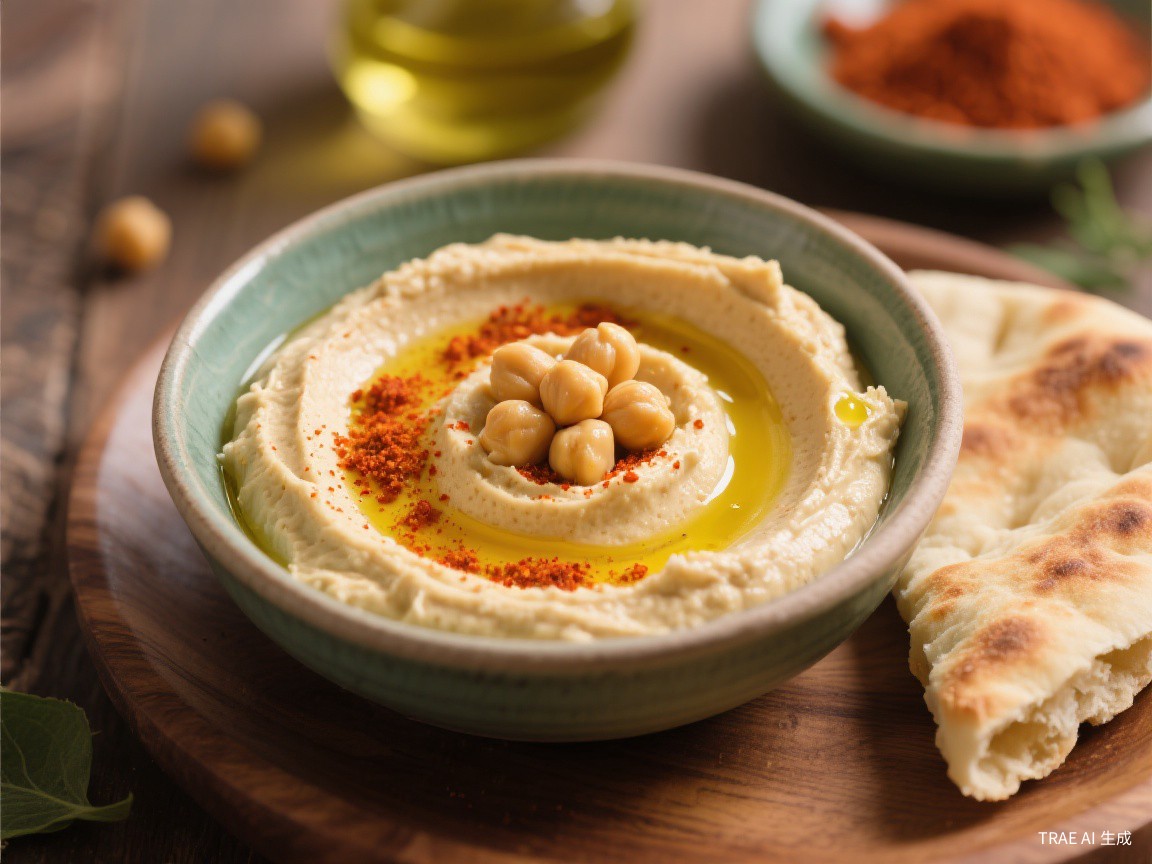
If you are making hummus ahead of time (and you should—it improves after resting in the refrigerator for several hours), remove it from the fridge thirty minutes before serving. Give it a vigorous stir, transfer it to a shallow plate (never a deep bowl—the traditional presentation requires a wide surface), and use the back of a spoon to create a deep well in the center. This well is not decorative—it is functional, designed to hold the olive oil that will pool there.
The Olive Oil Finish
The olive oil you drizzle over hummus at the end is not merely a garnish; it is an integral component of the dish. Use your best extra virgin olive oil here—the one you save for finishing, not cooking. A peppery, grassy Palestinian or Lebanese olive oil transforms the entire experience. The oil should be poured generously into the center well and allowed to spill over the edges, creating rivers of gold across the pale hummus surface.
- Pine nuts: Toasted lightly until golden, they add buttery crunch and visual elegance
- Sumac: A sprinkle of this tart, burgundy-red spice adds a bright, citrusy counterpoint
- Paprika: A dusting of sweet or smoked paprika provides color and gentle warmth
- Parsley: Finely chopped flat-leaf parsley adds freshness and a pop of green
- Whole chickpeas: A few reserved whole chickpeas placed in the center well signal authenticity
The Pita Partnership
Hummus without warm pita bread is like a sentence without a verb—incomplete. The relationship between hummus and pita is symbiotic: the bread provides the vehicle, the hummus provides the reason. In the Levant, pita is always served warm, often toasted briefly on a griddle or in a hot oven until the exterior is slightly crisp and the interior remains soft and pillowy. The bread should be torn, not cut, into pieces roughly the size of a golf ball—large enough to scoop a generous portion of hummus but small enough to eat in one or two bites.
For those avoiding bread, hummus pairs beautifully with crisp vegetables—cucumber spears, carrot sticks, bell pepper strips, and radish slices all work wonderfully. Even crackers can substitute in a pinch, though I would argue that the experience is fundamentally different. Pita is not just a delivery system; its mild, slightly tangy flavor and chewy texture are part of what makes the hummus experience complete.
The Blender vs. Food Processor Question
Both appliances work, but they produce subtly different results. A food processor is the traditional choice and offers more control—you can pulse, scrape down the sides, and monitor texture. A high-speed blender like a Vitamix produces undeniably smoother hummus, sometimes shockingly so, but it can over-process if you are not careful, turning the chickpeas into a gummy paste. My preference is the food processor for its reliability and control, but if you use a blender, process in short bursts and check the texture frequently.
Regardless of your tool, blend the tahini-lemon-ice water mixture first until fluffy, then add the chickpeas and garlic. Blend until smooth, adding ice water one tablespoon at a time until the consistency is perfect. The finished hummus should be thick enough to hold its shape on a plate but soft enough to spread easily with the back of a spoon. Season with salt at the very end—salt added too early can toughen the chickpeas and inhibit the emulsion.
Ready to Make the Best Hummus of Your Life?
Download our complete hummus guide with ingredient ratios, troubleshooting tips, and regional variation recipes.
Get the Free Guide