Walk through the bustling streets of Cairo, Beirut, or Tel Aviv, and you'll encounter the irresistible aroma of falafel sizzling in hot oil. These golden-brown chickpea fritters have been nourishing and delighting people across the Middle East for centuries, evolving from a simple peasant food into a global culinary phenomenon.
A Dish Born of Necessity and Ingenuity
The origins of falafel are debated, with Egypt, Lebanon, Palestine, and Israel all claiming it as their own. What's certain is that falafel emerged as a practical, protein-rich food that could sustain workers through long days. The combination of legumes, herbs, and spices created a complete nutritional package that was both affordable and satisfying.
Originally made with fava beans in Egypt (where it's still called ta'amiya), the dish spread throughout the Middle East, with chickpeas becoming the primary ingredient in most regions. Each country developed its own style—some adding more herbs, others incorporating different spices—but all sharing the same fundamental appreciation for this versatile food.
Chef's Tip
The single most important rule for falafel: use dried chickpeas, never canned. Canned chickpeas are too soft and moist, resulting in falafel that falls apart during frying. Soak dried chickpeas overnight, but don't cook them—the raw, soaked beans create the perfect texture.
The Building Blocks of Great Falafel
At its core, falafel is a simple mixture: soaked chickpeas, aromatics, herbs, and spices. Yet the quality of each ingredient and the care in preparation determine whether the result is transcendent or merely adequate.
The Chickpeas
Dried chickpeas should be soaked for at least 12 hours, preferably 24, in plenty of cold water. They'll expand significantly, so use a large bowl. The soaked beans should be firm enough to hold their shape but tender enough to break down when processed. This texture is crucial—too soft and the falafel won't hold together; too hard and it will be grainy.
The Aromatics
Onions, garlic, and fresh herbs form the aromatic base. The onions should be roughly chopped and processed with the chickpeas, adding moisture and sweetness. Garlic provides punch, while fresh parsley and cilantro contribute brightness and the characteristic green flecks throughout the interior.
The Spice Blend
Traditional falafel spices include cumin, coriander, and sometimes cardamom or cayenne. The balance is a matter of regional and personal preference. Some recipes call for a pinch of baking powder to lighten the texture, while others rely solely on the natural leavening that occurs during frying.
- Cumin: Earthy, warm, and essential to the Middle Eastern flavor profile
- Coriander: Citrusy and floral, complementing the cumin beautifully
- Cardamom: Optional but adds a lovely aromatic complexity
- Cayenne or chili: For those who prefer a bit of heat
- Black pepper: Adds subtle warmth without overwhelming
"Good falafel should be crispy on the outside, fluffy and light on the inside, never greasy or dense. The herbs should be visible, the spices present but not overwhelming. It's a simple food that demands respect for technique."
— Chef Yotam Ottolenghi, Middle Eastern Cuisine Authority
The Art of Shaping and Frying
Traditional falafel is shaped using a special tool called an aleb falafel, a scoop that creates the characteristic round shape with a slight hollow in the center. Home cooks can achieve similar results using two spoons or a small ice cream scoop.
The shaping technique matters because it affects how the falafel cooks. A slightly flattened shape ensures even cooking, while the traditional rounded form creates a pleasing textural contrast between the crispy exterior and soft interior. Whichever shape you choose, work quickly and with wet hands to prevent sticking.
Frying Fundamentals
The oil temperature is critical for perfect falafel. Too hot, and the exterior burns before the interior cooks through. Too cool, and the falafel absorbs excess oil, becoming greasy and heavy. The ideal temperature is around 350-375°F (175-190°C), hot enough to create an immediate sear that seals in moisture.
Use a neutral oil with a high smoke point, such as canola or vegetable oil. Fill a deep pot with several inches of oil—never more than halfway full to prevent dangerous overflow. Fry in small batches to maintain oil temperature, and allow the oil to return to temperature between batches.
- Heat oil: Bring oil to 350-375°F in a deep, heavy pot.
- Shape falafel: Form mixture into balls or patties using wet hands or a scoop.
- Test temperature: Drop a small piece of mixture in oil—it should sizzle immediately.
- Fry in batches: Add falafel carefully, without overcrowding the pot.
- Cook until golden: About 2-3 minutes, turning once for even browning.
- Drain properly: Transfer to a wire rack or paper towels.
- Serve immediately: Falafel is best enjoyed fresh and hot.
Beyond Frying: Alternative Methods
While traditional falafel is fried, health-conscious cooks have developed alternative cooking methods. Baked falafel offers a lighter option, though it lacks the characteristic crunch of the fried version. To bake falafel, brush shaped patties with oil and bake at 400°F for about 20 minutes, turning once.
Air fryers have become popular for falafel, offering a compromise between the texture of frying and the health benefits of baking. Lightly coat the shaped falafel with oil spray and cook at 375°F for 12-15 minutes, shaking the basket halfway through. The result is surprisingly close to traditional fried falafel.
Serving Suggestions
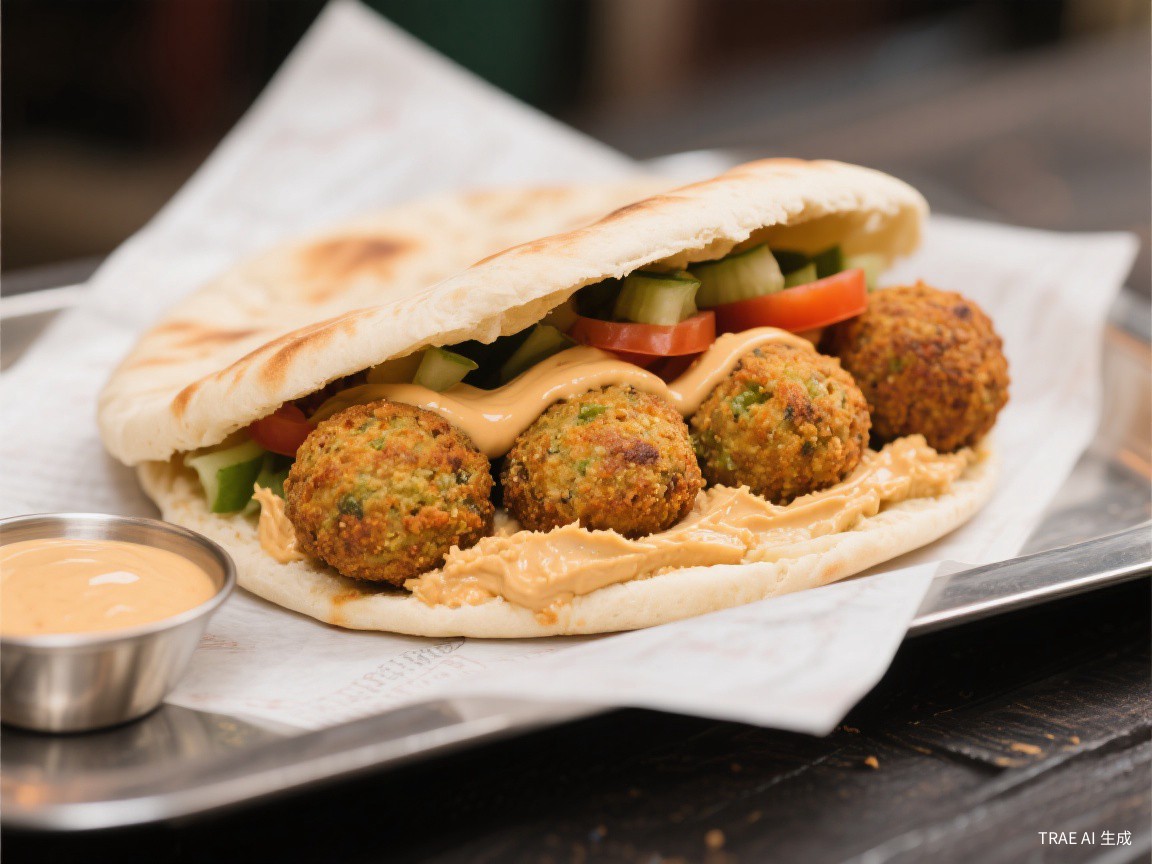
Falafel shines in various presentations. The most iconic is stuffed into warm pita bread with hummus, tahini sauce, pickled vegetables, and fresh salad. This combination, known as falafel sandwich or wrap, represents the perfect balance of textures and flavors—crispy, creamy, tangy, and fresh.
Alternatively, serve falafel as part of a mezze spread, accompanied by baba ganoush, tabbouleh, and labneh. This presentation allows diners to mix and match flavors, creating their own combinations. A drizzle of tahini sauce and a sprinkle of sumac add the finishing touches.
Making Falafel at Home
The prospect of making falafel at home intimidates many cooks, but the process is more straightforward than it appears. The key is planning ahead—the chickpeas need overnight soaking, and the mixture benefits from resting before frying. Once these steps are complete, the actual cooking goes quickly.
Start with a small batch to get a feel for the process. Pay attention to the texture of the mixture—it should hold together when squeezed but not be wet or sticky. Adjust with a small amount of flour if the mixture is too loose, or a splash of water if too dry. With practice, you'll develop an intuition for the perfect consistency.
Don't be discouraged by imperfect first attempts. Even misshapen, slightly overcooked falafel is delicious when served with good tahini sauce and fresh pita. The journey to falafel mastery is part of the pleasure, each batch teaching you something new about this ancient and beloved food.
Master Falafel at Home
Download our complete falafel guide with recipes for tahini sauce, pickled vegetables, and tips for perfect results every time.
Get the Recipe Guide