Few sandwiches in the world can claim the cultural significance and flavor complexity of the banh mi. This Vietnamese masterpiece represents more than just a meal—it's a delicious symbol of resilience, adaptation, and the beautiful fusion of colonial history with local ingenuity.
A Brief History of Banh Mi
The story of banh mi begins with French colonialism in Vietnam during the mid-19th century. The French brought their beloved baguette, pâté, and mayonnaise to Southeast Asia, but these ingredients remained largely inaccessible to the local population due to their high cost. After Vietnam gained independence in 1954, Vietnamese cooks began adapting these French elements, adding their own vibrant flavors and locally available ingredients.
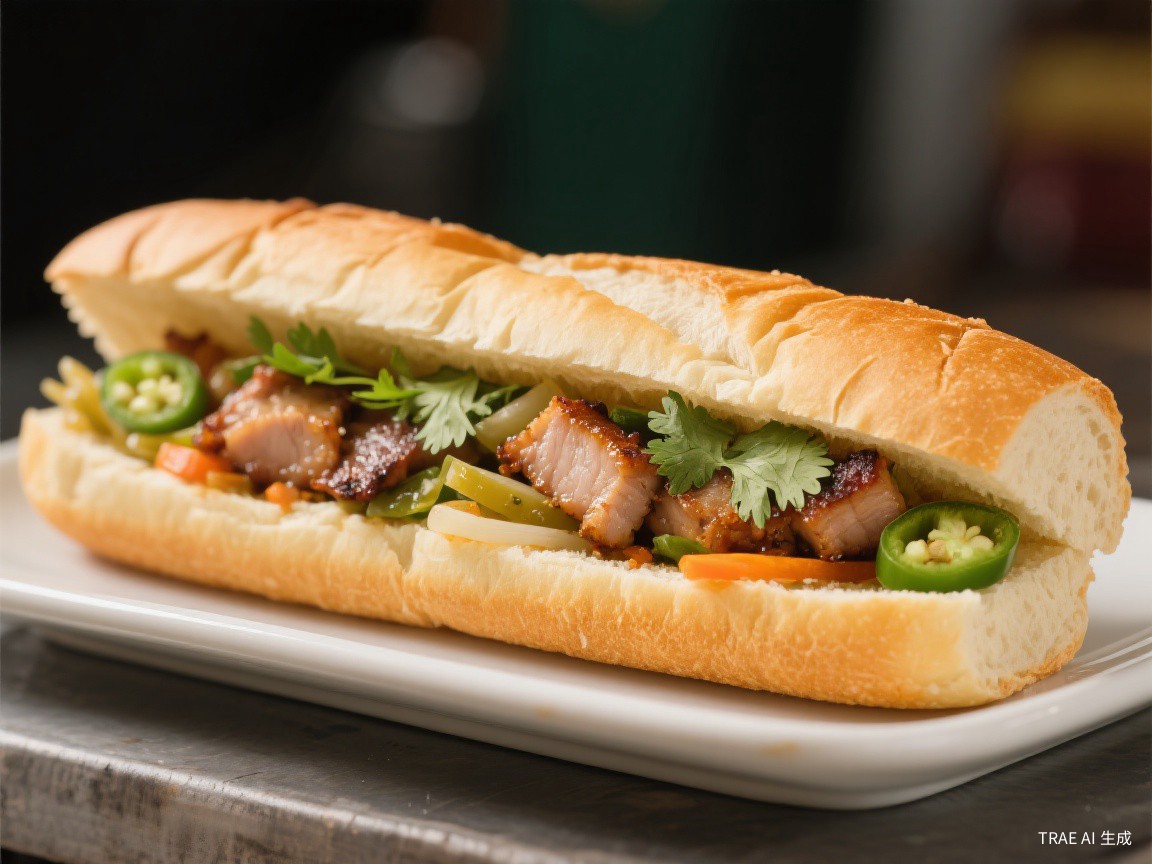
The result was revolutionary. The crispy, airy Vietnamese baguette—lighter and thinner than its French counterpart—became the canvas for an explosion of flavors: pickled vegetables, fresh herbs, savory meats, and spicy chilies. What emerged was a sandwich that honored both culinary traditions while creating something entirely new and distinctly Vietnamese.
Chef's Tip
The secret to authentic banh mi lies in the bread. Vietnamese baguettes should be crispy on the outside and pillowy soft on the inside. If you can't find Vietnamese-style baguettes, look for a light French baguette and toast it briefly before assembling.
The Essential Components
What makes banh mi truly special is the careful balance of flavors and textures in every bite. Each component plays a crucial role, and understanding these elements is key to creating an authentic sandwich at home.
The Bread
Vietnamese baguettes differ from traditional French versions in their composition. Made with a higher ratio of rice flour to wheat flour, they achieve a distinctive lightness and extra-crispy crust. The bread should be split lengthwise and lightly toasted to restore its crunch before filling.
The Spread
A thin layer of mayonnaise and pâté provides the rich, creamy foundation. The pâté adds depth and umami, while the mayonnaise brings moisture and helps the other ingredients adhere. Some versions include a swipe of butter or a drizzle of soy sauce for additional flavor.
The Pickles
Quick-pickled carrots and daikon radish, called do chua, are non-negotiable. Their bright acidity cuts through the richness of the meats and provides a satisfying crunch. The pickling liquid typically includes rice vinegar, sugar, and salt, creating a sweet-tart balance that's essential to the sandwich's flavor profile.
"A great banh mi is a symphony of contrasts—hot and cold, crispy and soft, rich and fresh, spicy and cooling. Every bite should surprise you."
— Chef Andrea Nguyen, Vietnamese Cuisine Expert
Protein Options for Every Taste
While the classic banh mi features grilled pork (thit nuong), the sandwich welcomes countless variations. Each protein brings its own character to the sandwich, and exploring these options is part of the banh mi experience.
- Grilled Pork (Thit Nuong): Marinated in lemongrass, fish sauce, and garlic, then grilled to caramelized perfection
- Chicken (Ga): Often grilled or roasted with similar marinades to the pork
- Pork Belly (Heo Quay): Crispy roasted pork belly adds incredible texture
- Vietnamese Meatballs (Xiu Mai): Tender pork meatballs in a light tomato sauce
- Tofu (Chay): Marinated and fried tofu for a vegetarian option
- Sardines (Ca Sardines): A budget-friendly option popular in Vietnam
The Fresh Elements
What elevates banh mi from a good sandwich to an unforgettable one is the generous addition of fresh ingredients. These elements provide brightness, texture, and the distinctive Vietnamese flavor profile.
Cucumber slices add coolness and crunch, while fresh cilantro brings an herbaceous note that ties all the flavors together. Jalapeño peppers—sliced thin and added with seeds for heat or without for milder flavor—provide a spicy kick that can be adjusted to taste.
Assembly: Building the Perfect Sandwich
Assembling a banh mi is an art form in itself. The order of ingredients matters, as it affects both the structural integrity and the eating experience. Follow these steps for optimal results:
- Prepare the bread: Split the baguette lengthwise, leaving one edge attached like a book. Toast lightly until crispy.
- Apply the spreads: Spread mayonnaise on one side and pâté on the other. Add a drizzle of soy sauce if desired.
- Layer the proteins: Add your choice of meat or tofu, distributing evenly along the length of the bread.
- Add the pickles: Place a generous amount of pickled carrots and daikon on top of the protein.
- Include fresh elements: Add cucumber slices, cilantro sprigs, and jalapeño rings.
- Finish with condiments: Drizzle with soy sauce and chili sauce or sriracha to taste.
Making Banh Mi at Home
Creating authentic banh mi at home is surprisingly achievable. The key is preparation—having all your components ready before assembly ensures the bread stays crispy and the vegetables stay fresh. Start by making the pickled vegetables a day ahead, as they'll develop more flavor over time.
For the proteins, marinate overnight for maximum flavor penetration. The marinade typically includes fish sauce, soy sauce, lemongrass, garlic, sugar, and sometimes five-spice powder. Grill or pan-fry until caramelized and cooked through.
Don't be intimidated by the number of components—each one is simple to prepare, and many can be made in advance. The result is a sandwich that rivals any you'd find on the streets of Ho Chi Minh City.
Ready to Make Your Own Banh Mi?
Download our complete banh mi recipe guide with step-by-step instructions for all the classic variations.
Get the Recipe Guide