In Japanese cuisine, few dishes carry the weight of tradition and cultural significance quite like miso soup. This simple preparation of fermented soybean paste dissolved in dashi broth represents the very heart of Japanese cooking—a philosophy that values simplicity, seasonality, and the profound flavors that emerge from patient fermentation.
A Bowl of History
Miso itself has been a cornerstone of Japanese cuisine for over a thousand years. Originally a luxury item reserved for nobility, miso production spread throughout Japan during the Heian period (794-1185), becoming a staple food for all social classes. The soup that bears its name emerged as a daily ritual, consumed at breakfast, lunch, and dinner across the Japanese archipelago.
What makes miso soup remarkable is its ubiquity alongside its depth. In Japan, it's as common as bread in Western cultures, yet it carries layers of meaning and tradition. Each region developed its own style, using local miso varieties and seasonal ingredients that reflected the terroir of the area. Today, miso soup remains a daily presence in most Japanese households, a comforting constant in an ever-changing world.
Chef's Tip
Never boil miso soup after adding the miso paste. High heat destroys the beneficial enzymes and delicate aromatics that make miso special. Add the miso at the very end, just before serving, and keep the soup at a gentle simmer.
Understanding Miso Varieties
The world of miso is vast and nuanced, with each variety offering distinct characteristics. The three main categories—white (shiro), red (aka), and mixed (awase)—provide different flavor profiles suited to various applications.
White Miso (Shiro Miso)
White miso is fermented for a shorter period, typically a few months, resulting in a lighter color and milder, sweeter flavor. It's ideal for delicate soups, dressings, and marinades where a subtle presence is desired. The lower salt content makes it approachable for those new to miso.
Red Miso (Aka Miso)
Red miso undergoes longer fermentation, sometimes years, developing a deeper color and more intense, complex flavor. It's saltier and more robust, perfect for hearty soups and braised dishes. The pronounced umami character makes it a favorite among miso enthusiasts.
Mixed Miso (Awase Miso)
Awase miso combines white and red varieties, offering a balanced flavor profile that works well in most applications. Many Japanese households keep awase miso as their everyday choice, appreciating its versatility and middle-ground character.
- Hatcho miso: A dark, rich miso from Aichi Prefecture, fermented for up to three years
- Saikyo miso: A sweet, creamy white miso from Kyoto, perfect for delicate preparations
- Genmai miso: Made with brown rice for a nutty, earthy flavor
- Mugi miso: Barley-based miso with a distinctive, robust character
The Foundation: Dashi
No discussion of miso soup is complete without addressing dashi, the foundational broth that forms its base. This simple yet profound stock, typically made from kombu (dried kelp) and katsuobushi (dried bonito flakes), provides the umami backbone that allows miso's flavors to shine.
"Dashi is the soul of Japanese cuisine. Without it, miso soup is merely seasoned water. With it, the soup becomes a meditation on umami and simplicity."
— Chef Yoshihiro Murata, Kikunoi Restaurant
Making dashi from scratch requires just a few ingredients and careful attention. The kombu should be soaked in cold water, then heated slowly—never boiled—to extract its glutamates without developing bitterness. Katsuobushi is added after removing from heat, steeping briefly before being strained. The result is a crystal-clear broth with remarkable depth.
For home cooks, instant dashi powder offers convenience, though purists note it lacks the subtlety of homemade. A middle ground exists in dashi packets, which contain actual kombu and katsuobushi in convenient tea-bag form, steeped in hot water to create authentic-tasting broth.
Seasonal Ingredients
One of the pleasures of miso soup is its adaptability to the seasons. Japanese cooks take pride in selecting ingredients that reflect the time of year, creating a soup that connects the diner to the natural world. This practice, known as shun, celebrates ingredients at their peak flavor and nutritional value.
Spring might bring bamboo shoots and fresh peas, while summer features refreshing combinations like cucumber and myoga ginger. Autumn calls for mushrooms and chestnuts, and winter welcomes warming ingredients like daikon and pork. The possibilities are endless, limited only by imagination and seasonality.
Classic Combinations
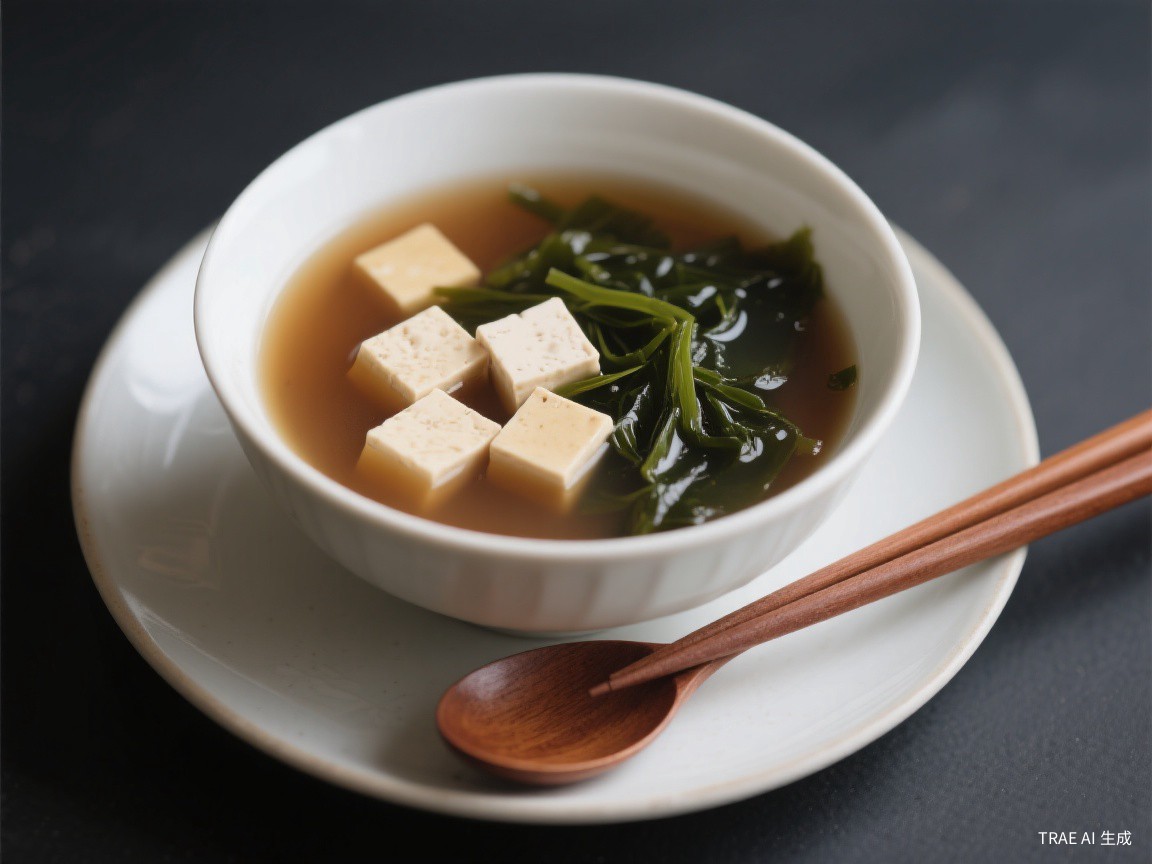
- Tofu and wakame: The most iconic version, featuring silken tofu cubes and rehydrated seaweed
- Nameko mushrooms: Slippery, slightly gelatinous mushrooms that add texture
- Clams (asari): A briny, mineral-rich variation popular in warmer months
- Eggplant: Grilled or simmered, particularly delicious with red miso
- Pork and vegetables: A heartier version known as tonjiru, perfect for cold weather
The Art of Preparation
Making miso soup is deceptively simple, yet attention to detail separates the ordinary from the sublime. The process should be gentle and mindful, reflecting the Japanese appreciation for intentional cooking.
- Prepare dashi: Heat your dashi in a pot until just simmering.
- Add ingredients: Add any ingredients that need cooking, such as vegetables or tofu.
- Cook gently: Simmer until ingredients are tender but not overcooked.
- Dissolve miso: Place miso in a ladle or small strainer, lower into the broth, and whisk to dissolve.
- Serve immediately: Ladle into bowls and garnish with sliced green onions.
The miso should be added off the heat or at the very end of cooking. This preserves the live cultures and delicate aromatics that define quality miso soup. Some cooks reserve a small amount of miso to add just before serving, ensuring the freshest flavor.
Health Benefits and Cultural Significance
Beyond its culinary virtues, miso soup offers significant health benefits. The fermentation process creates probiotics that support digestive health, while the soybeans provide complete protein. Miso is also rich in vitamins, minerals, and antioxidants, making it a nutritional powerhouse disguised as a simple soup.
In Japanese culture, miso soup represents more than nutrition—it's a symbol of home, comfort, and care. Many Japanese people have fond memories of their mother's or grandmother's miso soup, each family having its own preferred style and ingredients. The soup connects generations, carrying forward traditions and tastes through time.
Making It Your Own
While respecting tradition, there's room for personal expression in miso soup. Experiment with different miso varieties to find your preferred flavor profile. Try seasonal vegetables from your local market, or add proteins like tofu or fish for a more substantial meal. The key is maintaining the soup's essential character—clean, comforting, and deeply satisfying.
Start with quality ingredients, handle them with care, and serve with intention. In doing so, you'll discover why this humble soup has endured for centuries and continues to captivate food lovers around the world. A bowl of miso soup is more than a meal—it's an invitation to slow down and appreciate the profound beauty of simplicity.
Master Miso Soup at Home
Download our complete guide to miso soup, including dashi recipes, seasonal variations, and tips for selecting quality miso.
Get the Recipe Guide