Butter chicken, known in India as murgh makhani, stands as one of the most recognizable and beloved Indian dishes worldwide. Its velvety tomato-based sauce, tender pieces of marinated chicken, and harmonious blend of spices have made it an ambassador of Indian cuisine, introducing countless people to the wonders of South Asian cooking.
The Birth of a Culinary Legend
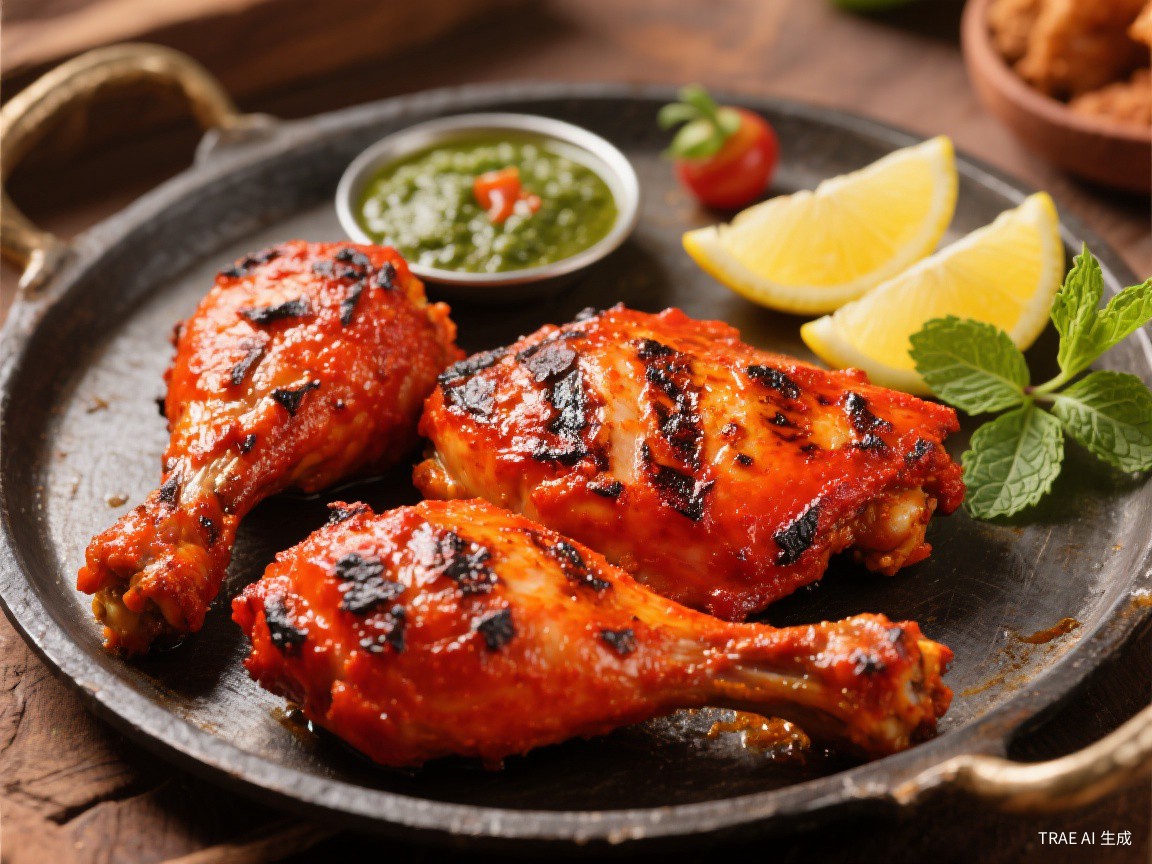
The story of butter chicken begins in the bustling streets of post-partition Delhi. In the 1950s, Kundan Lal Gujral, one of the founders of the legendary Moti Mahal restaurant, faced a common challenge: what to do with leftover tandoori chicken that would otherwise dry out and go to waste.
His ingenious solution was to simmer the leftover chicken in a sauce made from butter, tomatoes, and cream. This not only revived the dried-out chicken but created an entirely new dish that would become more famous than the original. The restaurant became a destination for politicians, celebrities, and food lovers from around the world, all seeking this revolutionary creation.
Chef's Tip
While traditional butter chicken uses leftover tandoori chicken, home cooks can achieve excellent results by marinating chicken in yogurt and spices, then grilling or pan-frying before adding to the sauce. The key is ensuring the chicken has that characteristic smoky char flavor.
Understanding the Flavor Profile
What makes butter chicken so universally appealing is its masterful balance of flavors. Unlike many other Indian curries that emphasize heat, butter chicken is milder and sweeter, with a creamy richness that coats the palate. The sauce achieves depth through a careful layering of aromatic spices rather than aggressive heat.
The Essential Spices
The spice blend for butter chicken typically includes garam masala as the foundation, supplemented by individual spices that each contribute their character. Cumin adds earthiness, coriander brings citrusy brightness, and turmeric provides color and subtle warmth. Red chili powder offers gentle heat, while kasuri methi—dried fenugreek leaves—imparts the distinctive aroma that signals authentic butter chicken.
- Garam masala: A warming blend that typically includes cinnamon, cardamom, cloves, and black pepper
- Kashmiri red chili powder: Provides vibrant color with mild heat
- Kasuri methi: Dried fenugreek leaves that add a unique, slightly bitter aroma
- Ginger and garlic: Fresh aromatics that form the base of the sauce
- Cardamom: Adds floral, sweet notes that elevate the dish
The Marinade: Building Flavor from the Start
Great butter chicken begins with a proper marinade. The chicken should soak for at least several hours—ideally overnight—in a mixture of yogurt, lemon juice, and spices. The yogurt's acidity helps tenderize the meat while the spices penetrate deeply, ensuring flavor in every bite.
Traditional recipes call for bone-in, skinless chicken pieces, which add more flavor to both the meat and the sauce. However, boneless chicken thighs work beautifully for easier eating and faster cooking. Avoid chicken breasts if possible, as they tend to dry out during the cooking process.
"The secret to restaurant-quality butter chicken lies in the marinade. Give it time—overnight if possible—and you'll be rewarded with chicken that's flavorful all the way through, not just on the surface."
— Chef Sanjeev Kapoor, Indian Culinary Icon
Creating the Signature Sauce
The sauce is where butter chicken truly shines. It begins with a base of butter—generous amounts of it—and aromatics. Onions are cooked until golden, then ginger and garlic are added to bloom their flavors. Tomatoes, whether fresh, canned, or pureed, form the body of the sauce.
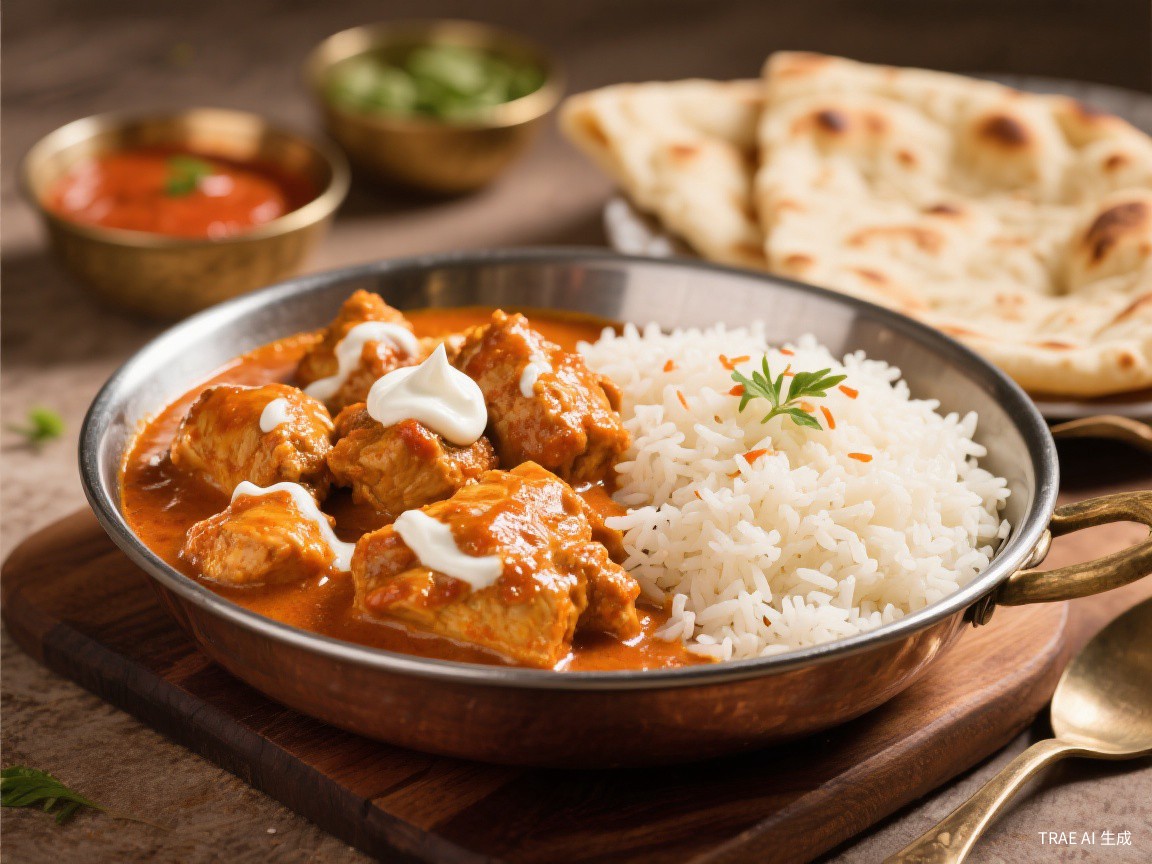
What follows is a patient process of simmering and reducing. The tomatoes break down completely, releasing their natural sweetness and acidity. Spices are added at different stages—some early to bloom in the fat, others later to preserve their volatile aromatic compounds. The final addition of cream transforms the sauce into the silky, orange-hued masterpiece that defines butter chicken.
The Technique: Achieving Restaurant Quality
Several techniques distinguish restaurant-quality butter chicken from home versions. First is the smokiness imparted by the tandoor. Home cooks can approximate this by grilling the marinated chicken over charcoal or using a technique called dhungar—placing a small piece of hot charcoal in a bowl within the cooking pot and drizzling it with ghee to create aromatic smoke.
Second is the texture of the sauce. Restaurant sauces are typically strained or blended until completely smooth, creating that velvety consistency. A high-powered blender or an immersion blender can achieve this at home.
Third is the finishing. A final swirl of butter and a sprinkle of kasuri methi, crushed between the palms to release its oils, elevate the dish from good to exceptional. Fresh cilantro adds brightness and color as a garnish.
Step-by-Step Sauce Technique
- Start with butter: Melt a generous amount in a heavy-bottomed pan over medium heat.
- Cook aromatics: Add onions and cook until deeply golden, then add ginger and garlic.
- Bloom spices: Add ground spices and cook for 30 seconds until fragrant.
- Add tomatoes: Pour in tomato puree and cook until the fat begins to separate.
- Blend: For smooth sauce, blend at this stage before adding chicken.
- Add chicken: Stir in the cooked, marinated chicken pieces.
- Finish with cream: Stir in cream and simmer gently for 5-10 minutes.
- Season and garnish: Adjust salt, add kasuri methi, and finish with butter and cilantro.
Serving Suggestions
Butter chicken is traditionally served with naan bread, perfect for scooping up the generous sauce. The bread can be used to make wraps with the chicken, or simply torn and used as an edible utensil. Basmati rice is another classic accompaniment, its fluffy grains providing a neutral base for the rich curry.
For a complete Indian meal, serve butter chicken alongside other dishes: perhaps a cooling raita to balance the richness, a fresh salad of cucumber and onion, and pickles or chutneys for additional flavor dimensions. The meal becomes a communal experience, with multiple dishes shared around the table.
A Global Phenomenon
Today, butter chicken has transcended its Delhi origins to become a global phenomenon. It appears on menus from London to Tokyo, Sydney to New York. Each region puts its own spin on the classic—some versions are sweeter, others spicier, some incorporate additional ingredients like cashews for extra richness.
Yet the essence remains the same: tender chicken in a creamy, tomato-based sauce that balances richness with brightness, heat with sweetness. It's a dish that has introduced millions to the pleasures of Indian cuisine, serving as a gateway to exploring more regional and complex preparations.
Whether you're cooking it for the first time or refining your technique after years of practice, butter chicken offers endless opportunities for learning and enjoyment. Its forgiving nature makes it accessible to beginners, while its depth rewards those who take the time to perfect each element.
Master Butter Chicken at Home
Download our complete butter chicken recipe with detailed instructions, spice blends, and tips for achieving restaurant-quality results.
Get the Recipe Guide