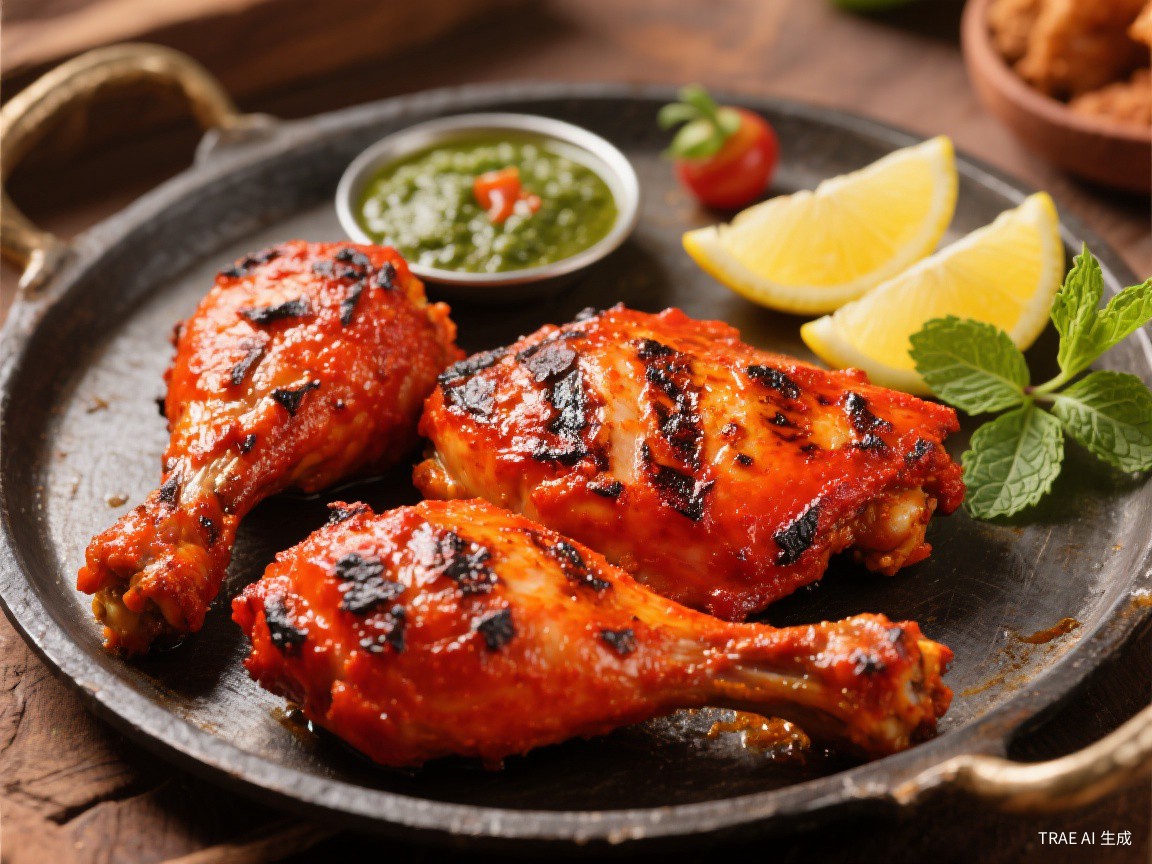
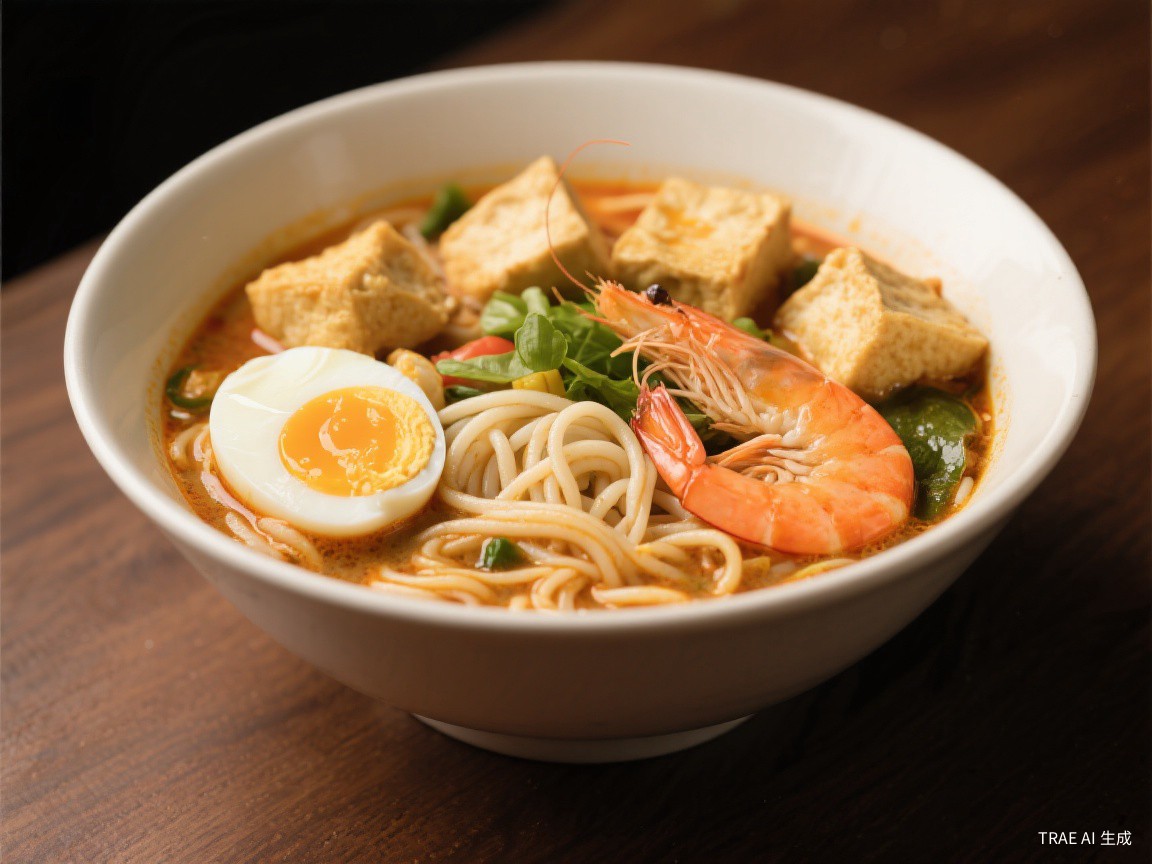
The smell hits you before you see the food—a thick, intoxicating cloud of wood smoke laced with allspice, thyme, and the unmistakable heat of scotch bonnet peppers. This is the aroma of Jamaica, the scent that greets you at every roadside stand, every beachside cookout, every family gathering on the island. Jerk chicken is not merely a dish. It is a declaration of identity, a culinary inheritance from the Maroon people who invented it, and a flavorsome experience that burns its way into your memory from the very first bite.
The Maroon Legacy: Origins of Jerk
The story of jerk chicken begins with one of the most remarkable chapters in Caribbean history. In the seventeenth and eighteenth centuries, enslaved Africans who escaped from Spanish and later British plantations fled into the mountainous interior of Jamaica. These escapees, known as Maroons, established independent communities in the impenetrable Blue Mountains and Cockpit Country, waging a guerrilla war against colonial forces while building a culture that blended African traditions with the resources of their new island home.
Among the Maroons' many innovations was a method of cooking meat that would become one of the most recognizable flavor profiles in the world. Lacking conventional cooking equipment, the Maroons developed a technique of digging deep pits in the earth, lining them with pimento wood (the wood of the allspice tree), and slow-cooking wild boar and other game over the smoldering embers. The meat was coated with a fierce mixture of spices and hot peppers—both for flavor and for preservation in the tropical heat.
The word "jerk" itself likely derives from the Spanish word "charqui," meaning dried meat (the same root that gives us "jerky"). Over time, the term evolved to describe not just the preservation method but the entire cooking technique and its signature spice blend. The Maroons guarded their recipes fiercely, passing them down through generations as both culinary knowledge and cultural heritage.
"Jerk is freedom on a plate. Every time you eat it, you are tasting the resilience of people who refused to be enslaved, who took the little they had and turned it into something the whole world craves."
— Chef Marcus Reid
The Jerk Pan: From Pit to Barrel
While the Maroons' original earth-pit method is still practiced in certain ceremonial contexts, the modern jerk pan is a more practical—and equally flavorful—evolution. The classic jerk pan is made from a halved oil drum, fitted with a grating over a charcoal fire, and covered with a sheet of corrugated metal or zinc to trap the smoke. This simple apparatus creates the conditions that define jerk cooking: intense, indirect heat combined with thick, aromatic smoke.
The design of the jerk pan is deceptively clever. The charcoal burns at one end, creating a temperature gradient across the grating. The cook can position the chicken at different points to control the cooking speed—closer to the coals for faster charring, farther away for slower, more gentle cooking. The metal cover traps the smoke and heat, creating a mini smokehouse that infuses the meat with flavor from all sides simultaneously.
The Magic of Pimento Wood
The wood used in jerk cooking is not incidental—it is essential. Pimento wood, from the allspice tree (Pimenta dioica), is the traditional and preferred fuel. The wood burns slowly and steadily, producing a sweet, aromatic smoke that is redolent of cloves, cinnamon, and nutmeg—the same flavor compounds found in allspice berries. This smoke penetrates the meat during the long cooking process, creating a depth of flavor that cannot be replicated with any other wood.
In Jamaica, pimento wood is sometimes supplemented with sweetwood (bay rum tree) or laurel wood, which add their own aromatic notes to the smoke. For cooks outside the Caribbean who cannot source pimento wood, a combination of hickory and applewood chips, augmented with whole allspice berries placed directly on the coals, provides a reasonable approximation. But purists will tell you that true jerk requires true pimento—everything else is an interpretation.
Chef's Tip
If you cannot find pimento wood, soak whole allspice berries in water for thirty minutes and scatter them over your charcoal. As they heat, they will release aromatic smoke that mimics the flavor of pimento wood. Add a few sprigs of fresh thyme to the coals as well for an extra layer of authenticity.
The Spice Blend: Allspice and Beyond
Allspice—called "pimento" in Jamaica—is the undisputed king of jerk seasoning. The dried, unripe berries of the Pimenta dioica tree contain a complex essential oil that tastes like a combination of cloves, cinnamon, nutmeg, and pepper. In jerk cooking, allspice is used in extraordinary quantities: both ground and whole berries are incorporated into the marinade, and additional whole berries are scattered on the coals during cooking.
Beyond allspice, the jerk seasoning blend includes a constellation of aromatics and spices that vary from cook to cook, family to family, and parish to parish. Common ingredients include dried thyme, garlic, ginger, scallions (known in Jamaica as escallion), black pepper, nutmeg, cinnamon, and cloves. Some recipes include a splash of dark rum or soy sauce for umami depth. Brown sugar or molasses adds a hint of sweetness that balances the heat and aids in caramelization during cooking.
- Allspice (pimento): The foundation, used both ground and whole, in the marinade and on the fire
- Scotch bonnet pepper: The heat source, fruity and fiery, used with seeds for maximum intensity
- Thyme: Fresh or dried, adds an earthy, herbaceous backbone
- Garlic and ginger: Aromatic base that permeates the meat during marination
- Scallions (escallion): Milder than onions, providing a sweet allium note
- Brown sugar: Balances heat and promotes caramelization on the grill
Managing the Scotch Bonnet Heat
The scotch bonnet pepper is one of the hottest chili peppers in regular culinary use, registering between 100,000 and 350,000 Scoville heat units. For comparison, a jalapeno ranges from 2,500 to 8,000. Yet in Jamaican jerk cooking, the scotch bonnet is valued as much for its flavor as for its heat. The pepper has a distinctive fruity, almost apricot-like aroma that adds a brightness to the seasoning blend, a tropical sweetness that balances the earthy depth of the allspice and the smokiness of the wood.
Managing the heat is a matter of personal preference and technique. Leaving the seeds and white membrane intact produces the fiercest result. Removing them reduces the heat considerably while preserving much of the flavor. Some cooks use a mix of scotch bonnets and milder habaneros to achieve a more approachable heat level. The traditional approach in Jamaica is to use the peppers generously—jerk is meant to be spicy, and the heat is considered integral to the experience rather than a challenge to be endured.
Wet Marinade vs. Dry Rub: The Eternal Debate
In Jamaica, the question of wet versus dry jerk seasoning provokes passionate disagreement. The wet marinade camp blends all the spices with a liquid base—typically a combination of soy sauce, lime juice, vinegar, and sometimes orange juice or rum—creating a paste that thoroughly coats the meat and penetrates deeply during a long marination period of twelve to twenty-four hours. This method produces chicken that is deeply flavored throughout, with the seasoning reaching all the way to the bone.
The dry rub advocates argue that a concentrated paste of ground spices, applied thickly to the chicken's surface, creates a more intense crust during cooking. The dry spices form a flavorful bark on the exterior of the chicken, similar to the crust on American barbecue, while the interior meat remains juicy and subtly seasoned. In practice, many of the best jerk cooks use a hybrid approach—a wet marinade for deep penetration followed by a dry spice coating for surface crust.
Rice and Peas: The Essential Pairing
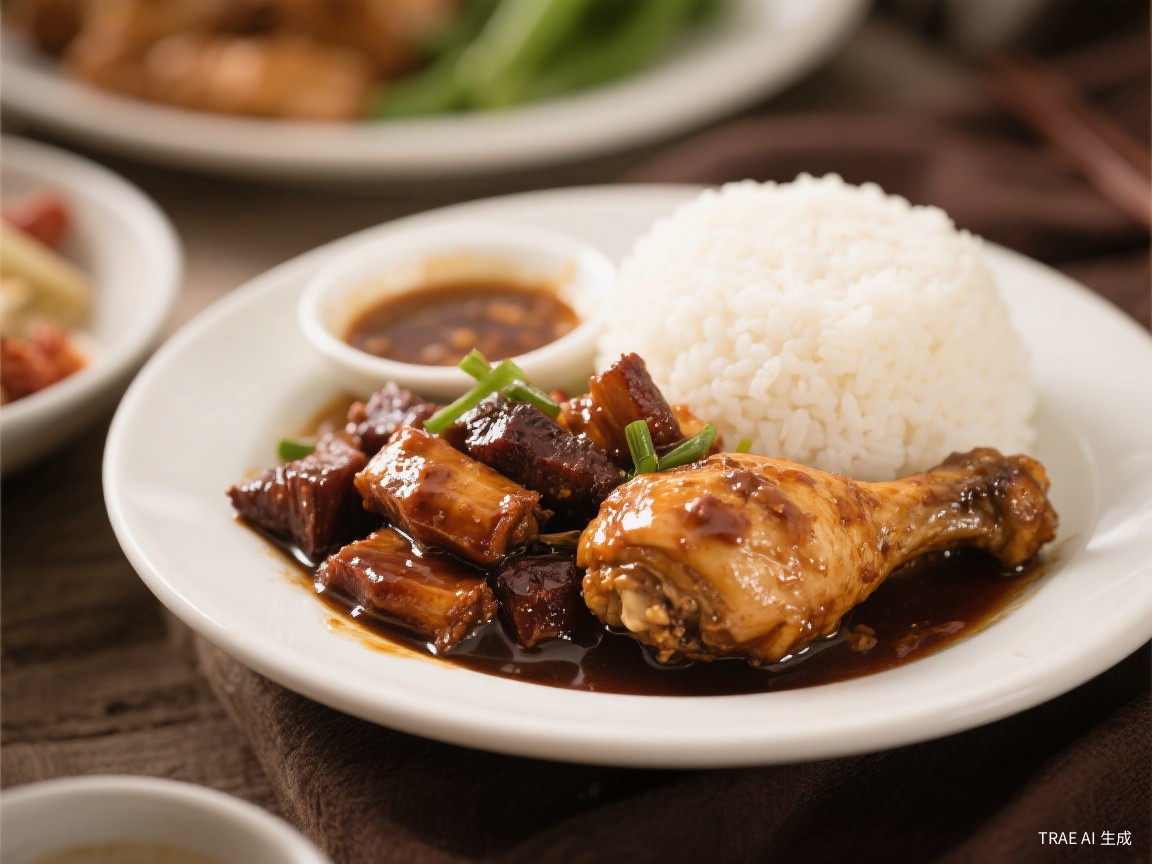
No plate of jerk chicken is complete without rice and peas—Jamaica's ubiquitous side dish. Despite the name, the "peas" are typically red kidney beans or pigeon peas, slow-simmered in coconut milk with scallions, thyme, a whole scotch bonnet (for aroma rather than heat), and a smashed clove of garlic. The rice absorbs the creamy coconut milk as it cooks, emerging fragrant, slightly sweet, and deeply comforting.
The combination of fiery jerk chicken and cool, creamy rice and peas is a study in balance. The rice soothes the palate between bites of spicy chicken, while the coconut milk provides a richness that rounds out the meal. A scattering of fried plantains on the side adds a sweet note, and a simple salad of shredded cabbage and carrot dressed with a bright vinegar-based slaw provides crunch and acidity to cut through the richness.
- Rice and peas: Coconut milk-infused rice with kidney beans, the non-negotiable side
- Fried plantains: Sweet, caramelized slices that cool the palate
- Festival bread: Sweet fried dumplings, slightly crispy outside and fluffy within
- Cabbage slaw: Bright, acidic, and crunchy—a necessary contrast to the rich chicken
- Red Stripe beer or fresh coconut water: The traditional beverages to accompany jerk
Jerk Beyond Chicken
While chicken is the most common jerk protein today, the tradition originally centered on wild boar, and pork remains the choice of purists. Jerk pork shoulder, slow-cooked over pimento wood for six to eight hours, develops a bark so dark and flavorful that it barely resembles the meat inside. Jerk fish—typically snapper or mahi-mahi—offers a lighter alternative, with the smoke and spice penetrating the delicate flesh in a matter of minutes. Even jerk lobster has become a luxury item at high-end Jamaican restaurants, proving that the technique is versatile enough to elevate any protein.
What unites all these variations is the philosophy behind jerk: that great flavor requires time, fire, and respect for tradition. Whether you are cooking over a traditional jerk pan in Montego Bay or adapting the technique for your backyard grill, the soul of jerk remains the same—a celebration of resilience, community, and the transformative power of smoke and spice.
Ready to Make Authentic Jerk Chicken?
Download our complete jerk chicken guide with the traditional marinade recipe, grilling techniques, and homemade rice and peas instructions.
Get the Free Guide