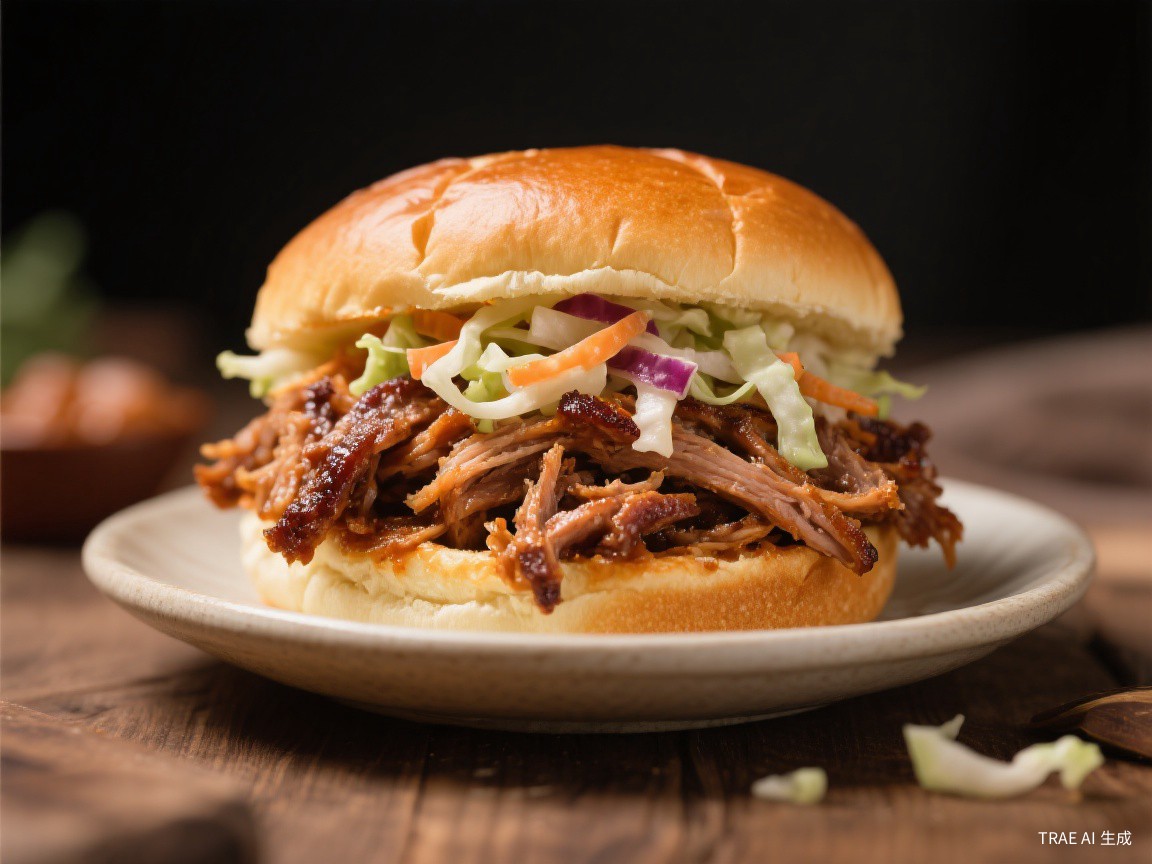
New Orleans is not like other American cities, and its food is not like other American food. This is a place where French technique met Spanish spice, where West African ingenuity collided with Caribbean abundance, where Native American ingredients were transformed by generations of Creole and Cajun cooks into something entirely new. I spent a week eating my way through the Crescent City—from white-tablecloth institutions to hole-in-the-wall po'boy shops—and every single meal carried the weight of history, culture, and an almost reckless devotion to pleasure. Here are the experiences that moved me most.
Commander's Palace: The Haute Creole Cathedral
Commander's Palace has been standing at the corner of Washington Avenue and Coliseum Street since 1893, and stepping through its iconic turquoise doors feels like entering a time capsule of Southern elegance. The dining room is a vision of Victorian grandeur—high ceilings, antique chandeliers, ceiling fans spinning lazily overhead, and a garden courtyard visible through floor-to-ceiling windows. But the food is anything but a museum piece. Under the guidance of chef Meg Bickford, Commander's Palace continues to evolve while honoring the Creole traditions that made it famous.
I started with the turtle soup, a dish that has been on the menu since the restaurant's earliest days and remains one of the great soup experiences in America. Rich, dark, and deeply savory, with a consistency that falls somewhere between a bisque and a stew, it is flavored with sherry, hard-boiled egg, and a complex spice blend that includes thyme, bay leaf, and a whisper of cayenne. The sherry is added at the table from a small pitcher, and the way it blooms into the hot soup, releasing its aromatic compounds, is a small but theatrical moment that sets the tone for the meal to come.
Dining Tip
Commander's Palace maintains a strict jacket-required policy for dinner in the main dining room. However, lunch is more relaxed, and the food is every bit as good. If you want the full Commander's experience without packing a blazer, book a lunch table in the garden room and order the 25-cent martinis—they're a New Orleans institution.
My entrée was the pecan-crusted Gulf fish, a preparation that perfectly encapsulates Commander's approach: take a pristine local ingredient (redfish, caught that morning) and apply a technique that enhances rather than obscures. The pecan crust was golden and lightly crunchy, with a nutty sweetness that complemented the mild, flaky fish. It sat atop a bed of crawfish étouffée—a rich, roux-thickened sauce studded with tender crawfish tails—and was finished with a drizzle of meunière butter that added a luxurious, nutty richness. The dish was a masterclass in balance: every element distinct, every element essential, nothing redundant.
The Bread Pudding That Made Me Weep
I need to say something about the bread pudding soufflé with whiskey cream sauce, because it genuinely altered my emotional state. This is not ordinary bread pudding. It is a soufflé—light, airy, trembling slightly when the waiter sets it down—flavored with vanilla, cinnamon, and a generous measure of bourbon, then crowned with a warm whiskey cream sauce that pools in the crater on top. The first spoonful was an exercise in contrasts: the ethereal lightness of the soufflé against the dense, custardy bread at its base; the warmth of the cinnamon against the cool sharpness of the whiskey cream; the sweetness of the sugar against the slight bitterness of the bourbon. I sat in that dining room, listening to the jazz trio playing in the corner, eating that bread pudding, and I understood why people say that New Orleans feeds your soul as much as your stomach.
Café du Monde: The Beignet Ritual
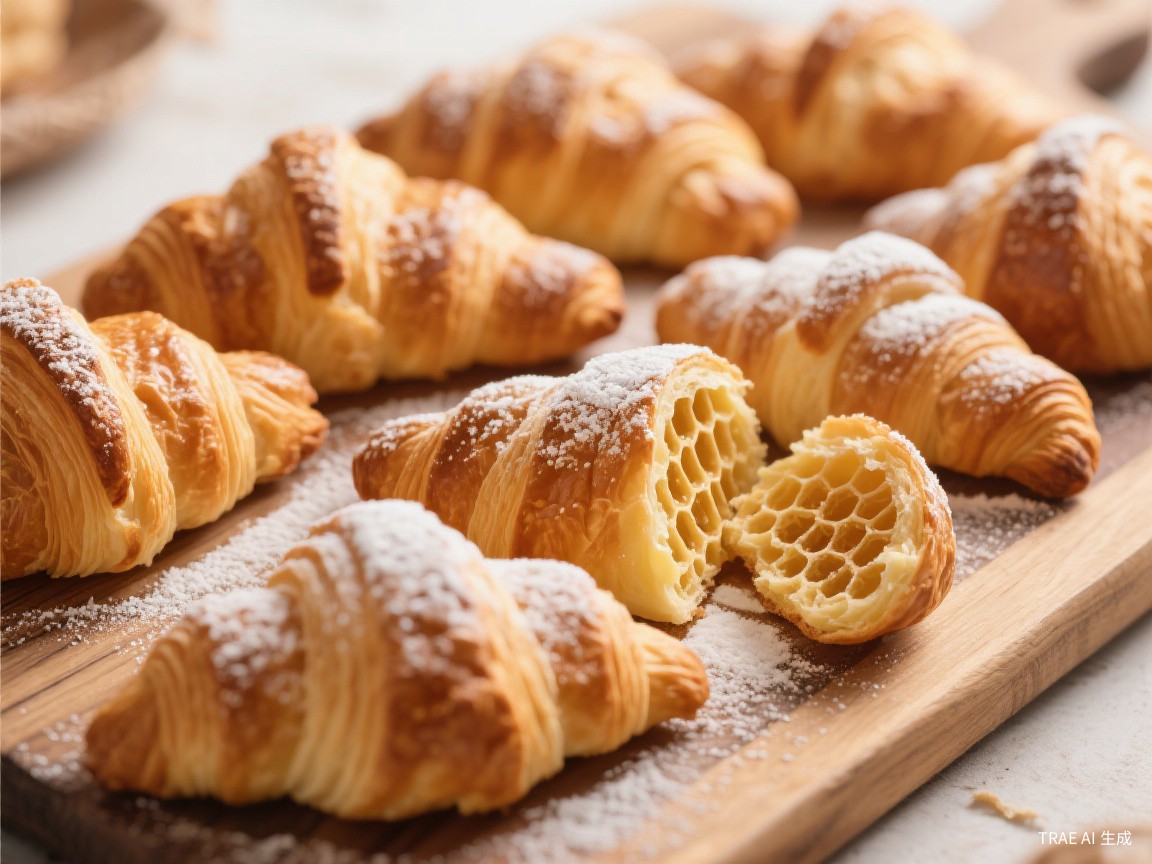
No food experience in New Orleans is more iconic—or more democratic—than the beignets at Café du Monde. This open-air coffee stand in the French Market has been operating since 1862, and its menu has barely changed in all that time: beignets (square, fried dough pillows dusted with powdered sugar) and café au lait (coffee mixed with hot milk and, traditionally, chicory root). That's it. That's the entire menu. And it is perfect.
The beignets arrive in orders of three, buried under an avalanche of powdered sugar so thick that your first breath sends a white cloud into the air. The dough itself is simple—flour, water, yeast, a little sugar—but the frying is masterful. Each beignet has a crisp, golden exterior that gives way to a soft, pillowy interior with a slight chew. They are not overly sweet on their own; the sweetness comes entirely from the powdered sugar, which clings to the hot, slightly oily surface and dissolves on the tongue into a sweet, melting glaze. The café au lait, made with dark-roasted coffee and chicory, provides a bitter counterpoint that cuts through the sweetness and cleanses the palate between bites.
"The beignet is not a pastry. It is a prayer. It is a meditation on simplicity, on the idea that flour, water, fire, and sugar—when treated with respect and tradition—can produce something that approaches the divine."
— Poppy Tooker, New Orleans food historian
Café du Monde is open twenty-four hours a day, seven days a week, and the best time to visit is between 2:00 and 4:00 AM, when the French Quarter has quieted down and the only other customers are night owls, musicians finishing their sets, and the occasional tourist who has wandered away from Bourbon Street. At that hour, sitting under the green-and-white striped awning with a plate of beignets and a cup of chicory coffee, New Orleans feels like the most magical place on earth.
Central Grocery: The Muffuletta Mecca
The muffuletta is New Orleans' greatest sandwich, and Central Grocery on Decatur Street is its birthplace. Invented in 1906 by Salvatore Lupo, a Sicilian immigrant who wanted to create a sandwich that his Italian laborer customers could eat with one hand while working with the other, the muffuletta has become one of the most beloved sandwiches in America—and Central Grocery still makes the definitive version.
The sandwich is built on a round, sesame-seed-crusted loaf (also called a muffuletta) that is roughly ten inches in diameter. The bottom half is layered with mortadella, salami, ham, provolone, and Swiss cheese, then topped with the olive salad that is the sandwich's signature: a chunky, briny mixture of green and black olives, cauliflower, celery, carrots, capers, garlic, oregano, and olive oil. The top half of the bread is pressed on, and the whole thing is served at room temperature, allowing the olive oil to soak into the bread and the flavors to meld.
My first bite was a sensory overload in the best possible way. The salami provided a spicy, fermented punch. The mortadella was silky and rich, with little pockets of fat that melted on the tongue. The provolone added a sharp, creamy note. But the olive salad was the star—a briny, crunchy, herbaceous explosion that tied everything together and gave the sandwich its distinctive New Orleans character. A whole muffuletta is enormous, easily feeding two to three people, and at around $20, it is one of the great food bargains in the French Quarter.
Parkway Bakery: The Po'boy Temple
The po'boy is New Orleans' other great sandwich, and Parkway Bakery & Tavern in Mid-City makes one of the best. Founded in 1911 as a bakery (the bread was originally sold to other sandwich shops), Parkway began making its own po'boys during the Great Depression, when the bakery's owners decided to feed striking streetcar workers for free—creating the "poor boy" sandwich that became a New Orleans institution.
I ordered the roast beef po'boy, dressed (which in New Orleans means lettuce, tomato, pickles, and mayonnaise). The bread—a crisp, light French loaf with a thin, crackly crust and a soft, airy interior—is the foundation. Parkway bakes its bread in-house, and the difference between fresh-baked bread and commercial sandwich bread is the difference between a good po'boy and a transcendent one. The roast beef is slow-cooked until it can be shredded with a fork, then piled high and drenched in a rich, dark gravy made from the beef's own cooking juices. The "dressed" toppings add crunch (lettuce), acidity (pickles), and moisture (mayonnaise) that balance the richness of the beef and gravy.
Eating a Parkway roast beef po'boy is a physical challenge. The bread softens rapidly under the weight of the gravy, and you have about ten minutes before the bottom becomes too soggy to hold. This is not a sandwich to eat slowly or delicately. You lean forward, open wide, and commit. The combination of crisp bread, tender beef, rich gravy, and cool, crisp vegetables is one of the most satisfying flavor-texture combinations in American sandwich-making. At around $14, it is a meal that defines the phrase "stick to your ribs."
- Get it dressed: Unless you have a specific dietary restriction, always order your po'boy dressed. The lettuce, tomato, pickles, and mayo are essential to the experience.
- Eat it immediately: Po'boys do not travel well. The bread begins absorbing moisture the moment the gravy hits it, so eat it at the shop or in your car in the parking lot.
- Try the debris: Many po'boy shops offer "debris"—the fallen bits of roast beef that settle to the bottom of the gravy. Ask for extra debris on your sandwich.
- Pair with Barq's: The local root beer, originally from Biloxi, Mississippi, is the traditional po'boy accompaniment. Its sharp, slightly bitter sweetness cuts through the richness of the beef.
Jazz, Food, and the Soul of the French Quarter
What makes New Orleans different from every other food city in America is the inseparability of its food from its music. In New Orleans, you don't eat dinner and then go find jazz—you eat dinner while jazz is being played, sometimes in the same room, sometimes drifting in from the street outside. At Commander's Palace, a live jazz trio plays during dinner service, their trumpet and piano weaving between the clink of glasses and the murmur of conversation. At the Spotted Cat on Frenchmen Street, you can eat a bowl of gumbo while a brass band plays twenty feet away, the music so loud and joyful that you can feel it in your chest.
This fusion of food and music is not accidental. It is a direct expression of the city's cultural DNA—the same Creole spirit that created gumbo and jambalaya also created jazz. Both are products of cultural collision, of traditions mixing and mutating into something entirely new. Both value improvisation within structure, the individual voice within the collective. And both exist to bring people together, to create moments of shared pleasure that transcend the ordinary.
The Dishes You Cannot Miss
- Gumbo: Whether Creole (with okra and tomatoes) or Cajun (with a dark roux and no okra), this is New Orleans in a bowl. Try it at Liuzza's by the Track for the definitive Cajun version.
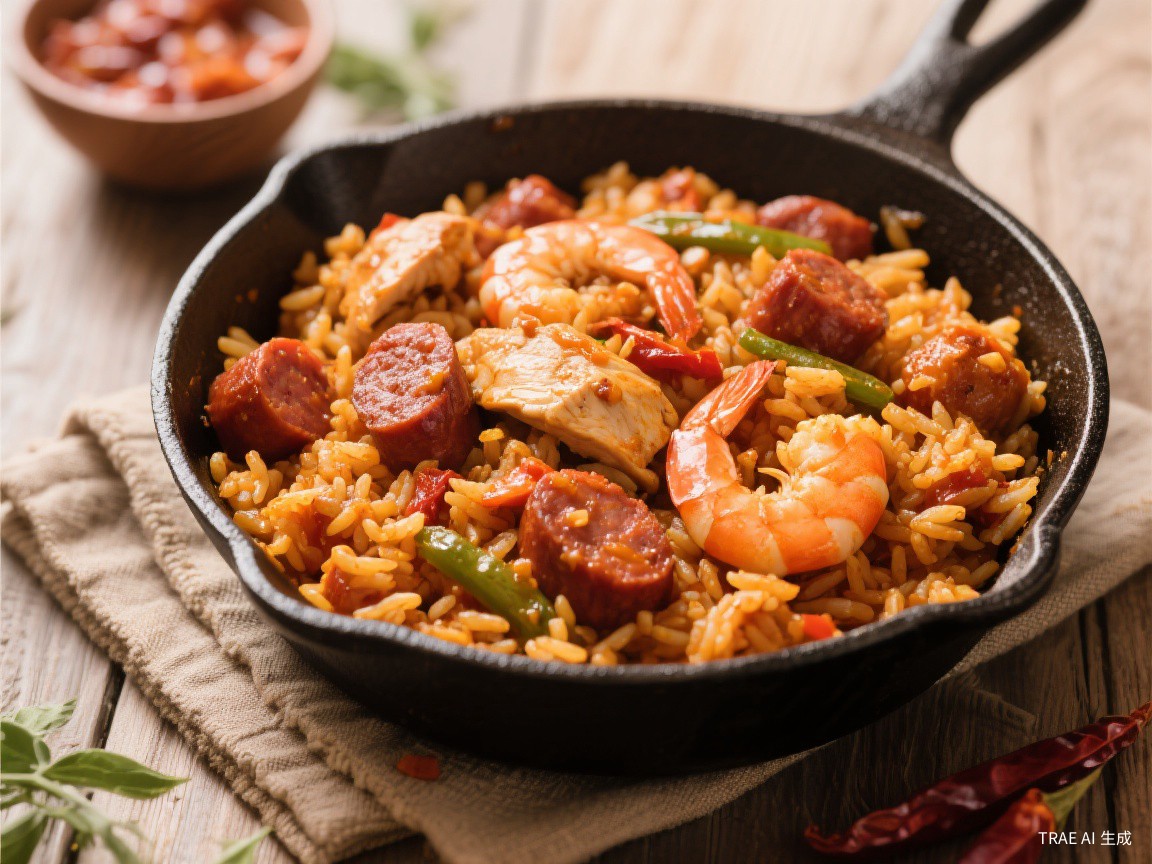
- Jambalaya: A rice dish flavored with the Holy Trinity (onion, celery, bell pepper), meat, and seafood. The best I had was at Coop's Place, a decrepit-looking bar on Decatur Street that serves some of the most flavorful food in the city.
- Étouffée: A Cajun dish of shellfish smothered in a thick, roux-based sauce. The crawfish étouffée at Prejean's in the French Quarter is outstanding.
- Oysters: New Orleans is an oyster town, and the raw oysters at Acme Oyster House—plump, briny, and served on crushed ice with cocktail sauce and saltines—are a rite of passage.
- Sazerac: The official cocktail of New Orleans—rye whiskey (or cognac), Peychaud's bitters, absinthe, and a sugar cube. Have one at the Sazerac Bar in the Roosevelt Hotel, where the cocktail was popularized.
Explore More American Reviews
From New Orleans' Creole kitchens to the best barbecue joints in the South, discover our full collection of American dining reviews.
See All Reviews