There are approximately 1,200 bakeries in Paris, and nearly every one of them sells croissants. But the gap between an ordinary croissant and an extraordinary one is the gap between a sketch and a masterpiece—both are made with the same basic materials, but only one will stop you mid-bite and make you close your eyes. Over five days, I visited twelve of Paris's most celebrated patisseries, eating two to three croissants per morning, to find the ones that achieve that transcendent moment. Here is what I discovered.
My Scoring Criteria: What Makes a Perfect Croissant?
Before I began, I needed a framework. A croissant is not a subjective experience—at least, not entirely. There are objective, measurable qualities that separate the exceptional from the mediocre. I developed a four-point scoring system, each category worth 25 points, for a maximum score of 100.
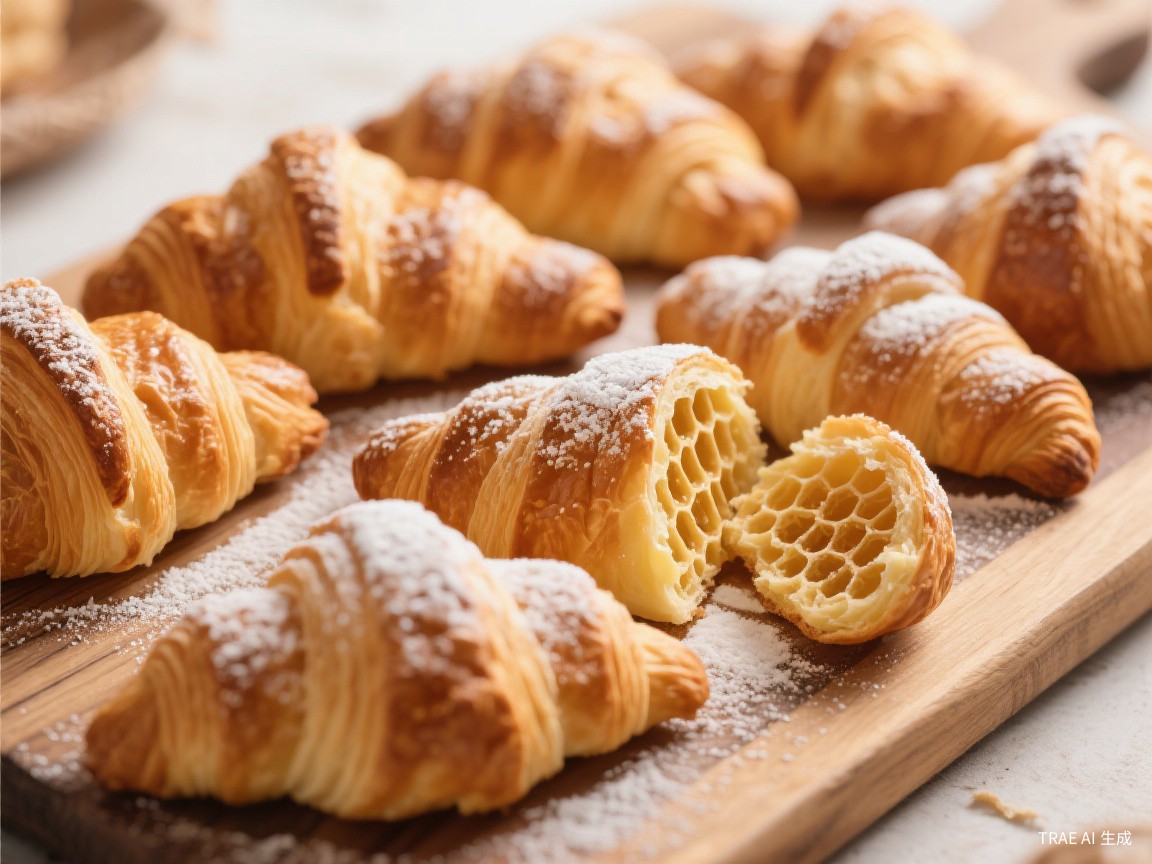
- Layers (laminage): A great croissant should have clearly visible, distinct layers when torn open. The exterior should shatter into dozens of individual flakes, while the interior maintains a honeycomb-like structure with visible air pockets. Poor lamination results in a bread-like texture that is dense and chewy rather than light and flaky.
- Butter quality and flavor: The butter should be the dominant flavor, but not the only one. You should taste the fermentation of the butter (most great Parisian bakeries use beurre AOP Charentes-Poitou), a subtle sweetness, and a hint of salt. The butter should coat your palate without feeling greasy.
- Color and appearance: The exterior should be deeply golden-brown with visible darker spots—these are the sugar that has caramelized on the surface, and they indicate proper baking. A pale croissant is an underbaked croissant, regardless of how good the dough might be.
- Interior texture (alvéolage): When pulled apart, the interior should reveal an open, airy structure with distinct chambers. The crumb should be slightly stretchy but not rubbery, moist but not wet, and should have a slight elasticity that pulls apart in graceful strands rather than crumbling.
Tasting Tip
Always eat croissants within thirty minutes of purchase. They begin losing their texture almost immediately, and a croissant that was flaky at 8:00 AM will be soft and bread-like by 10:00 AM. If you're doing a bakery crawl, eat each one immediately outside the shop before moving on.
Du Pain et des Idées: The Artisan's Masterpiece (10th Arrondissement)
Christophe Vasseur's bakery in the 10th arrondissement is housed in a former paint shop, and the space retains an industrial elegance that perfectly complements the craftsmanship within. Du Pain et des Idées (Bread and Ideas) has been named the best bakery in Paris by multiple publications, and after tasting their croissant, I understand why.
The croissant here is a study in controlled excess. It is larger than average, with a dramatic, exaggerated curve that hints at the butter within. The exterior color is a deep, burnished amber with scattered dark spots that indicate thorough caramelization. When I tore it open, the layers separated with an audible crack—a cascade of golden shards fell onto my plate, while the interior revealed a stunning open crumb with large, irregular air pockets.
The first bite was extraordinary. The exterior shattered into dozens of delicate flakes that dissolved on the tongue, while the interior had a slight chew that gave way to a buttery, almost creamy center. The butter flavor was pronounced but nuanced—there was a distinct fermented tang that spoke of high-quality cultured butter, balanced by a gentle sweetness and a clean, salty finish. I scored it 96/100, the highest of my entire trip.
"A croissant is not bread, not pastry, not cake. It is its own category—a miracle of physics and patience where butter and flour are transformed into something that is greater than the sum of its parts."
— Christophe Vasseur, Du Pain et des Idées
The Pain des Amis
While the croissant is the draw, Vasseur's signature pain des amis (bread of friends) is worth mentioning. This large, round loaf with a dramatic split crust has a dense, chewy crumb and a flavor that is almost sweet, with notes of toasted nuts and caramel. It is the kind of bread that makes you reconsider everything you thought you knew about flour, water, yeast, and salt.
Pierre Hermé: The Perfumer's Croissant (6th Arrondissement)
Pierre Hermé is best known as the "picasso of pastry" and the inventor of the Ispahan (a rose, raspberry, and lychee combination that became a global sensation). His croissant, however, is a quieter achievement—a refined, precise version that demonstrates his mastery of fundamentals alongside his flair for innovation.
The standard butter croissant at Pierre Hermé scored 91/100 on my scale. The lamination was impeccable, with dozens of paper-thin layers that created an almost weightless texture. The butter flavor was clean and pure, without the fermented tang I found at Du Pain et des Idées, but with an extraordinary richness that lingered on the palate. The color was slightly lighter than I prefer—Hermé seems to favor a more delicate bake—but the interior alvéolage was among the best I saw, with a beautiful, regular honeycomb structure.
What truly sets Pierre Hermé apart is his croissant aux amandes (almond croissant). This is not a day-old croissant soaked in syrup and filled with frangipane—though that traditional version has its charms. Hermé's version is made fresh, filled with a generous layer of almond cream and topped with a thin sheet of marzipan and toasted almonds. The result is simultaneously crisp and creamy, with the almond flavor providing a nutty sweetness that complements the buttery pastry beneath. At 3.20 euros, it is a splurge, but it is the finest almond croissant in Paris.
L'Éclair de Génie: Beyond the Croissant (Marais)
L'Éclair de Génie is not a traditional bakery—it is an éclair shop, and a spectacular one. But their viennoiserie deserves attention, particularly their croissant au chocolat, which I scored 88/100. The chocolate used is Valrhona's Guanaja (a single-origin dark chocolate from South America), and its intense, slightly bitter flavor provides a stunning counterpoint to the buttery, sweet pastry.
The croissant au chocolat here has a slightly tighter crumb than the plain croissant at Du Pain et des Idées, which I initially considered a flaw. But as I ate it, I realized the denser texture was intentional—it provides a more substantial base for the chocolate, preventing the bar from melting through the bottom and creating a more even distribution of flavor in each bite. The two batons of chocolate were perfectly centered and extended nearly to the edges, ensuring that every bite included both pastry and chocolate.
The shop itself is a visual feast, with éclairs displayed like jewels in glass cases. Flavors change seasonally and include combinations like passion fruit and milk chocolate, yuzu and raspberry, and salted caramel with pecan. Even if you're primarily a croissant hunter, L'Éclair de Génie is worth a visit for the sheer artistry on display.
Blé Sucré: The Neighborhood Gem (12th Arrondissement)
Far from the tourist crowds of the Marais and Saint-Germain, in a quiet corner of the 12th arrondissement near the Aligre market, sits Blé Sucré. This small bakery, run by Fabrice Le Bourdat (a former pastry chef at the Ritz), is the kind of place that Parisians guard as a closely held secret—and for good reason.
Blé Sucré's croissant scored 93/100, putting it in my top three. What distinguishes it is an almost rustic quality that the more polished shops lack. The croissant here is slightly irregular in shape, with a thicker, more robust exterior that provides an exceptionally satisfying crunch. The layers are generous and clearly defined, and the butter flavor has a pronounced farmyard quality—earthy and rich, with a slight grassiness that suggests the use of very fresh, high-fat butter.
The madeleine is the other must-try item. Le Bourdat's madeleines are baked to order throughout the day, emerging from the oven with a deeply browned, almost crispy exterior and a meltingly tender interior redolent of brown butter and vanilla. They are, without question, the best madeleines I have ever eaten—better, even, than those at Comptoir du Panthéon, which had previously held that title in my personal ranking.
The Kouign-Amann Discovery
My greatest discovery during this patisserie crawl was not a croissant at all—it was the kouign-amann, a Breton pastry that deserves to be far better known outside France. Essentially a croissant's richer, more decadent cousin, the kouign-amann is made from a laminated dough similar to croissant dough but with a significantly higher proportion of butter and the addition of sugar between the layers. The result is a pastry that is simultaneously flaky, crispy, chewy, and gooey, with a caramelized sugar crust that crackles and shatters.
The best kouign-amann I found was at Blé Sucré, where Le Bourdat makes a version that is smaller than the traditional Breton style but packs an extraordinary amount of flavor into its diminutive size. The exterior is deeply caramelized, almost burnt in places, with a bitter-sweet crust that gives way to layers of buttery, sugary dough. The interior is soft and slightly sticky, with a chewiness that is utterly addictive. At 2.20 euros, it is the best pastry value in Paris.
- Go early: The best bakeries sell out by mid-morning. Arrive before 9:00 AM for the widest selection.
- Bring cash: Many small bakeries have minimum card amounts or are cash-only.
- Eat outside: Parisian bakeries are generally takeout-only for pastries. Find a nearby bench or park.
- Watch the locals: If a bakery has a line of French residents at 7:30 AM, get in that line.
- Try the unusual: Every bakery has a signature item beyond the croissant. Ask what they're known for.
The Verdict: My Paris Croissant Rankings
After twelve bakeries and nearly thirty croissants, my final rankings are clear. Du Pain et des Idées takes the crown with its extraordinary lamination and complex butter flavor (96/100). Blé Sucré follows in second place, winning points for its rustic charm and exceptional kouign-amann (93/100). Pierre Hermé rounds out the podium in third, a triumph of precision and refinement (91/100). But the truth is, even the lowest-scoring croissant on my list would be among the best in any other city in the world. Paris is, simply, the center of the viennoiserie universe, and every croissant I ate was a reminder of why that title is unlikely to change.
Explore More European Reviews
From Paris bakeries to Istanbul's grill masters, discover our full collection of European dining adventures.
See All Reviews