There is a particular stretch of coastline in Baja California where the desert meets the Pacific Ocean in a collision of dust and salt spray, and it is here—on roadside stands and in family-run fish shacks—that the fish taco was born. Not in a fancy restaurant, not in a cookbook, but in the hands of fishermen who battered their fresh catch in whatever they had and served it on warm tortillas to hungry surfers. That spirit of simplicity and immediacy is what makes the Baja fish taco one of the greatest street foods on the planet.
Where the Fish Taco Was Born
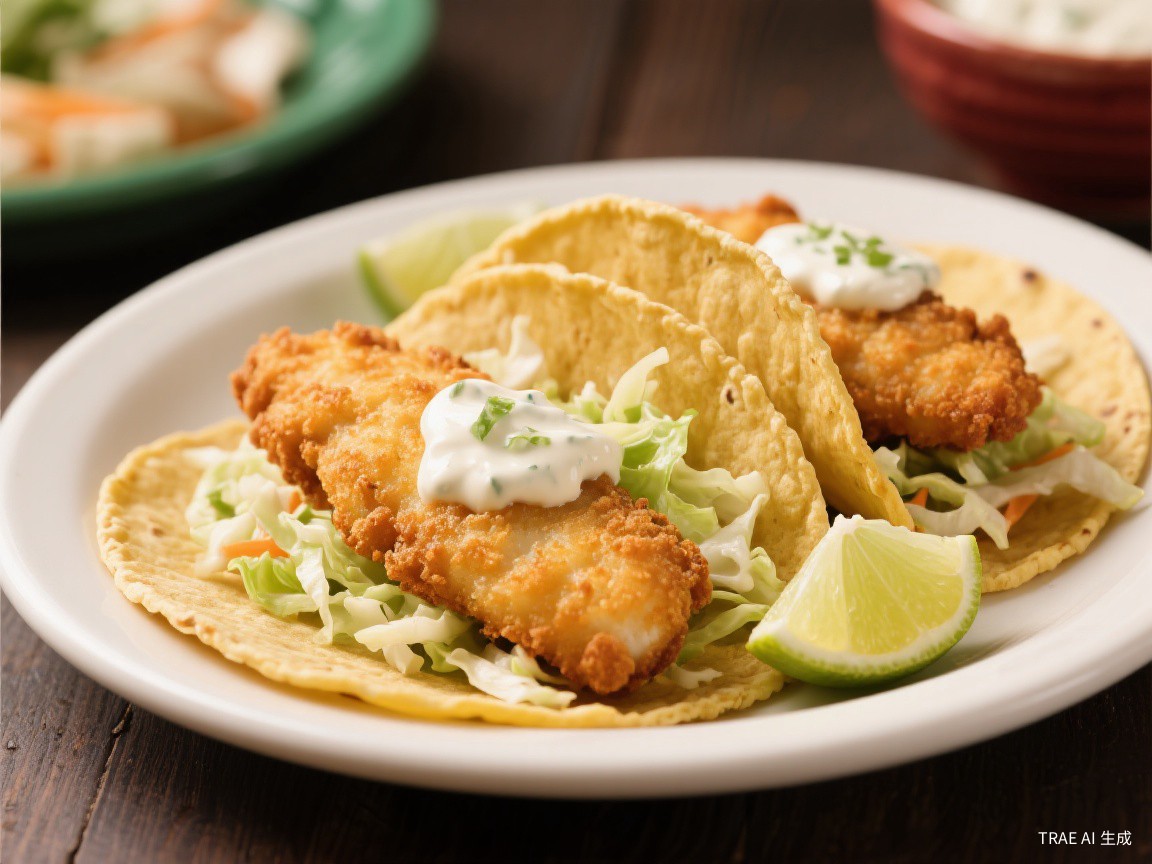
The story begins in the 1950s in the port town of Ensenada, about seventy miles south of the U.S.-Mexico border. Japanese fishermen had recently introduced tempura frying techniques to the region, and local cooks adapted the method using beer instead of ice water, creating a batter that was lighter, crispier, and distinctly Mexican. The result was a revelation: delicate white fish encased in a shattering golden shell, tucked into a soft corn tortilla and crowned with shredded cabbage and a creamy white sauce.
What made the fish taco spread so rapidly was its accessibility. It was cheap, fast, and utterly satisfying—the perfect food for surfers emerging from the cold Pacific waves. By the 1980s, the fish taco had crossed the border into San Diego, then into Los Angeles, and eventually into the broader American culinary consciousness. Today, you can find fish tacos in cities around the world, but the best ones still carry the salt air of Baja California in every bite.
"A great fish taco is a study in contrasts: hot and cold, crispy and soft, rich and bright. If every element does its job, you should need a napkin after the first bite."
— Chef Carlos, Ensenada, Baja California
The Beer Batter: Science Meets Tradition
The batter is the soul of the Baja fish taco, and getting it right requires understanding a bit of food science. A proper beer batter is essentially a tempura batter with a Mexican accent. The carbonation in the beer creates tiny bubbles in the batter, which expand when they hit hot oil, producing an exceptionally light and airy crust. The proteins in the flour form a network that sets quickly, while the alcohol in the beer inhibits gluten development, preventing the batter from becoming tough or chewy.
The flour matters more than most people realize. All-purpose flour works, but a blend of all-purpose and cornstarch (about three to one) produces a crispier texture. The cornstarch interferes with gluten formation and creates a more delicate, shattering crust. Some Baja cooks add a tablespoon of cornmeal for additional crunch and a subtle sweetness that pairs beautifully with the mild fish.
Choosing the Right Beer
Not all beers are created equal when it comes to batter. You want something light and effervescent with a clean flavor that will not overpower the fish. A Mexican lager like Pacifico, Modelo Especial, or Tecate is traditional and ideal. The slight corn sweetness of these lagers complements the batter without competing with it. Avoid hoppy IPAs, heavy stouts, or strongly flavored craft beers—they will dominate the delicate fish and throw off the balance.
- Pacifico Clara: The classic Baja choice—light, crisp, and slightly sweet
- Modelo Especial: Widely available with a clean, neutral profile
- Tecate: Another traditional option with mild corn notes
- Corona: Works well but use it very cold for maximum carbonation
- Non-alcoholic option: Club soda with a pinch of sugar mimics the carbonation effect
Chef's Tip
The single most important rule for beer batter: keep it ice cold. The colder the batter, the greater the temperature differential when it hits the hot oil, and the crispier the final crust. Place your beer in the freezer for thirty minutes before mixing, and keep the bowl of batter on ice while you work. If the batter becomes warm and thin, it will not set properly and your fish will be soggy instead of shatteringly crisp.
Selecting the Best Fish
The ideal fish for Baja-style tacos is a firm, mild white fish with a moderate fat content. Too lean, and the fish will dry out during frying. Too oily, and the flavor will overwhelm the delicate batter. The fish should hold together well when handled but flake easily when bitten. Here are the top choices, ranked by suitability.
Pacific cod is the gold standard in Baja California. It has a firm texture, a clean sweet flavor, and large flakes that hold up beautifully in batter. Alaskan halibut is a premium alternative with a meatier bite and a slightly sweeter profile, though it is significantly more expensive. Mahi-mahi (also called dorado in Mexico) is another excellent choice with a firm, almost steak-like texture that stands up to aggressive frying. Wild-caught snapper, particularly red snapper, offers a slightly sweeter, more nuanced flavor but can be harder to find fresh outside of coastal regions.
Fish to Avoid
Salmon, tuna, and swordfish are too oily and strongly flavored for traditional Baja-style tacos. Tilapia, while affordable, has a tendency to become mushy when battered and fried. Catfish works in Southern-style preparations but its earthy flavor clashes with the clean, bright profile of Baja tacos. When in doubt, ask your fishmonger for a firm white fish suitable for frying—any knowledgeable counter will point you in the right direction.
The Baja Medley Sauce
Every fish taco stand in Ensenada has its own version of the white sauce, and asking two cooks for their recipe will get you three different answers. The foundation is typically mayonnaise thinned with a little milk or crema, brightened with lime juice, and seasoned with garlic, salt, and sometimes a pinch of cumin. Some versions include a spoonful of sour cream for tang, or a dash of hot sauce for heat. A few legendary stands add a secret ingredient—perhaps a splash of clamato juice or a teaspoon of prepared horseradish—that keeps customers guessing.
The sauce serves a critical structural role beyond flavor. It provides moisture that the crispy batter and shredded cabbage alone cannot deliver, binding the components together and preventing the taco from becoming dry. Without it, you are eating a fish sandwich, not a fish taco. The sauce should be thin enough to drizzle but thick enough to cling—think the consistency of heavy cream.
The Cabbage Slaw: Crunch Is Non-Negotiable
Shredded green cabbage is the traditional topping for Baja fish tacos, and for good reason. Its crisp texture provides a crucial contrast to the soft tortilla and the tender fish, while its mild, slightly peppery flavor does not compete with the other elements. The cabbage should be shredded very thin—almost translucent—so it integrates into the taco rather than sitting in bulky strands. A small amount of shredded red cabbage adds visual appeal and a slightly sharper bite.
The slaw is typically dressed lightly with a squeeze of fresh lime juice and a pinch of salt, nothing more. Some cooks add a handful of chopped cilantro for herbal brightness, or a few thin slices of radish for additional crunch and a peppery kick. The key is restraint—the slaw should be a supporting player, not a co-star.
Corn vs. Flour Tortillas
This is the debate that divides fish taco lovers into two passionate camps. Traditional Baja tacos use small corn tortillas, about five inches in diameter, warmed on a comal or directly over a gas flame until slightly charred and pliable. Corn tortillas have a rustic, slightly earthy flavor that complements the fried fish and connects the taco to its Mexican roots. They are also naturally gluten-free, which is a bonus for many diners.
Flour tortillas, favored in many American interpretations, are softer and more pliable, with a mild, slightly sweet flavor. They are less likely to break when loaded with ingredients, making them a practical choice for generous portions. However, they lack the character and authenticity of corn tortillas. My advice: use corn tortillas if you want the authentic Baja experience, and warm them properly—cold corn tortillas will crack and break, ruining the taco.
- Char them directly: Hold corn tortillas over a gas flame for 15-20 seconds per side until lightly blistered
- Keep them warm: Wrap warmed tortillas in a clean kitchen towel to stay soft and pliable
- Double up: Use two thin corn tortillas per taco for structural integrity
- Never microwave: Microwaving makes corn tortillas tough and rubbery
Assembly: The Final Act
A Baja fish taco should be assembled quickly and eaten immediately—the crispy batter does not wait for anyone. Place two warm corn tortillas on a plate, add a piece of freshly fried fish, top with a generous handful of shredded cabbage slaw, drizzle with the white sauce, and finish with a squeeze of fresh lime. Some people add a few drops of salsa verde or a sprinkle of pickled onions, but the classic version needs nothing more than these four components.
Eat it standing up, leaning slightly forward to catch the drips. That first bite—the shatter of the batter, the steam from the hot fish, the cool crunch of the cabbage, the creamy tang of the sauce, the warm give of the tortilla—is a moment of pure, uncomplicated joy. It is, in its humble way, one of the finest things you can put in your mouth.
Ready to Make the Ultimate Fish Tacos?
Get our complete recipe card with exact measurements, frying temperature guide, and sauce variations from Baja's best stands.
Get the Free Guide