In Hanoi, the day begins before dawn with the sound of ladles clinking against metal stockpots and the fragrant steam of beef bones rising into the cool morning air. Pho vendors have been at work since three or four in the morning, tending their broths, arranging their herbs, and preparing for the morning rush that will empty their pots by midday. This is not breakfast as the West understands it. This is something deeper—a daily ritual of nourishment, community, and culinary tradition that has sustained Vietnamese families for over a century.
The Bones: Architecture of Flavor
A great bowl of pho begins with bones, and not just any bones will do. The traditional pho bo broth relies on a carefully selected combination of beef bones, each contributing something specific to the final flavor. Understanding what each type of bone brings to the pot is the first step toward making pho that tastes like it came from a Hanoi street stall rather than a recipe book.
Marrow bones, typically femur bones cut into short sections, provide the deep, beefy foundation that defines pho. The marrow within melts into the broth during the long simmer, contributing richness and a velvety mouthfeel. Knuckle bones, with their dense network of cartilage and connective tissue, are equally important—they release gelatin that gives the broth body and a slightly sticky quality on the lips. Oxtail, while optional, adds a wonderful meatiness and additional collagen that rounds out the flavor profile.
The total quantity of bones matters as well. A proper pho broth requires a high bone-to-water ratio—roughly three to four pounds of bones per gallon of water. This concentration ensures the broth develops sufficient depth and intensity. Skimp on the bones, and you will end up with something that tastes like beef tea rather than pho.
Chef's Tip
Always blanch your bones before making pho. Drop them into a pot of boiling water for ten minutes, then remove and rinse thoroughly under cold water. This step removes blood, impurities, and scum that would otherwise cloud the broth and create off-flavors. It is the single most important step for achieving the clear, golden-amber broth that distinguishes well-made pho.
The Blanching Ritual
Every Vietnamese cook I know blanches their bones without exception. This is not a debatable step. The blanching process works by coagulating the proteins and blood remaining on and within the bones, bringing them to the surface where they can be skimmed away. Without blanching, these impurities would circulate in the broth for hours, creating a murky, grayish liquid with a metallic, livery taste.
After blanching, rinse each bone individually under cold running water, scrubbing away any remaining residue with a clean brush or your hands. The bones should look clean and white—no gray film, no dark spots. This level of attention to cleanliness at the beginning of the process is what separates good pho from exceptional pho.
The Charred Aromatics: Vietnam's Answer to Mirepoix
Western stocks rely on a mirepoix of onions, carrots, and celery. Pho takes a different approach entirely. The aromatic base consists of yellow onions and fresh ginger—both of which are charred over an open flame or under a broiler until deeply blackened on the outside. This charring is not incidental. It is fundamental to the flavor of the broth, introducing smoky, caramelized notes that permeate every spoonful.
The technique is simple but requires attention. Place whole, unpeeled onions and a large piece of ginger directly over a gas flame, turning occasionally, until the skins are completely blackened and blistered. If you do not have a gas stove, a broiler works well—place the aromatics on a sheet pan and broil on high, turning every few minutes, until evenly charred. The goal is not to burn the flesh beneath but to create a deep, even char on the surface that will flavor the broth with its distinctive smokiness.
"My grandmother would char the onions and ginger over charcoal in her courtyard. The smell would wake the whole neighborhood. That charred aroma is the soul of pho—you cannot substitute it, and you cannot skip it."
— Chef Linh
Once charred, peel away the blackened outer layers and add the aromatic flesh to the broth. The ginger should be smashed with the flat side of a knife to release its oils. The onions can be halved or left whole. They will simmer in the broth for hours, gradually releasing their sweet, smoky essence before being discarded before serving.
The Spice Sachet: Star Anise, Cinnamon, and Clove
The spice profile of pho is one of its most distinctive characteristics—warm, aromatic, and unmistakably Southeast Asian. The classic combination includes star anise, cinnamon sticks, whole cloves, and sometimes coriander seeds and black cardamom. These spices are not added loose to the broth but are tied in a cheesecloth sachet or placed in a wire mesh infuser, allowing them to flavor the liquid without leaving behind bits that would detract from the clean eating experience.
Star anise is the dominant spice, contributing a sweet, licorice-like warmth that is immediately recognizable. Cinnamon—specifically Vietnamese cassia cinnamon, which is more potent and slightly spicier than its Ceylon counterpart—adds depth and a woody sweetness. Cloves are used sparingly; even two or three whole cloves can overpower a pot of broth if left to simmer too long. The key is balance, and the best way to achieve it is to toast the spices briefly in a dry pan before adding them to the sachet, which awakens their essential oils and intensifies their flavor.
Beef Cuts: From Rare Steak to Tripe
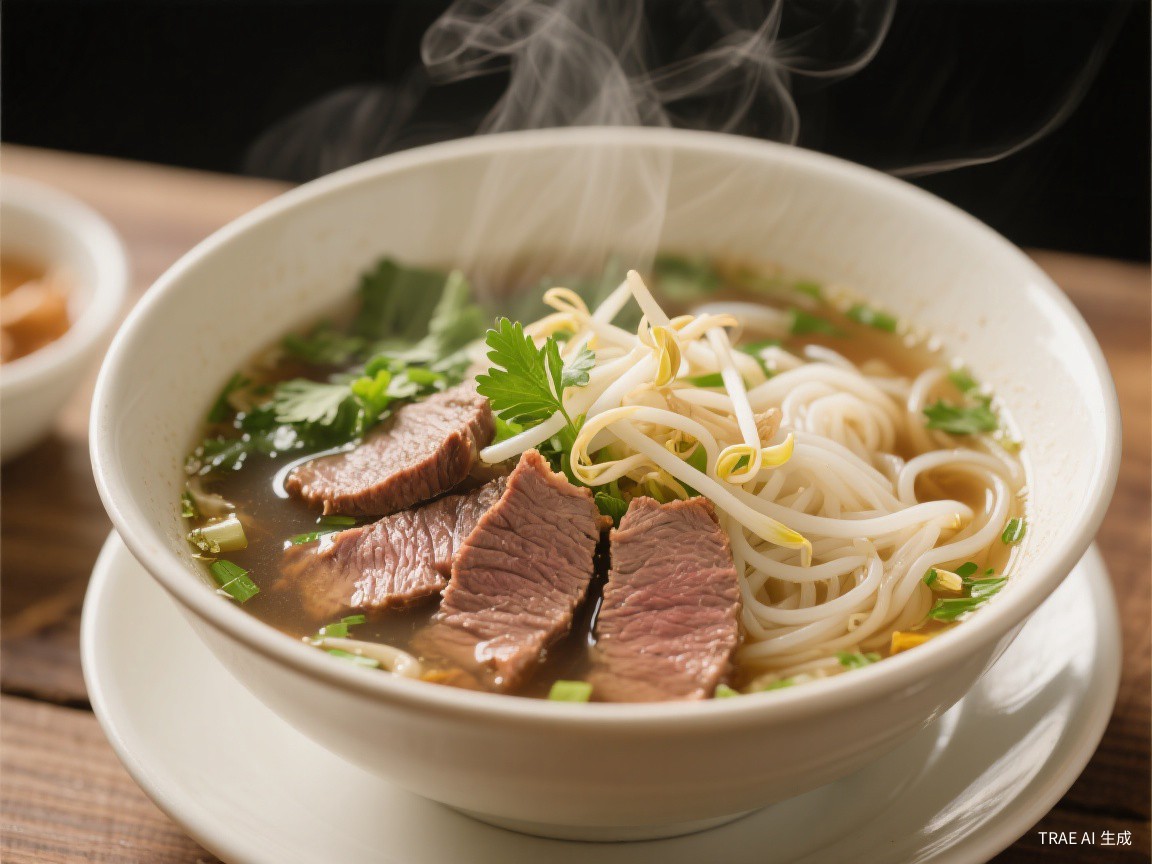
One of the great pleasures of pho is choosing your beef cuts, and the options are more varied than many Western diners realize. A traditional Hanoi pho shop might offer half a dozen different preparations, each with its own texture and character. Understanding these options allows you to customize your bowl to your preferences and experience the full range of what pho bo has to offer.
- Tai (rare steak): Thinly sliced raw beef placed in the bowl, cooked by the heat of the pouring broth. The most popular cut, prized for its tenderness and delicate flavor.
- Chin (well-done brisket): Slices of brisket that have been simmered in the broth until tender. Rich, beefy, and deeply satisfying.
- Gan (tendon): Beef tendon simmered until gelatinous and translucent. A textural experience unlike any other—chewy, bouncy, and deeply collagen-rich.
- Nam (flank): Similar to brisket but with a slightly different texture, offering a balance of meat and fat.
- Sach (tripe): Honeycomb tripe, cleaned and pre-cooked, with a distinctive chewy texture and mild, earthy flavor.
- Vien (meatballs): Beef meatballs, often containing tendon or other textured ingredients, with a bouncy, springy quality.
For the home cook, I recommend starting with tai and chin—the rare steak and well-done brisket combination that most pho shops serve as their standard bowl. The interplay between the silky, barely-cooked rare steak and the deeply flavored, fork-tender brisket is the essence of what makes pho bo so compelling.
The Northern vs. Southern Divide
Pho is not a monolith. The dish varies significantly between northern and southern Vietnam, and understanding this divide reveals much about Vietnamese culinary culture. Northern pho (pho Bac), centered on Hanoi, is the original and more austere version. The broth is clear and focused, with minimal spices and a purity of beef flavor that purists revere. The garnishes are simple—perhaps some sliced scallions and a squeeze of lime.
Southern pho (pho Nam), from Ho Chi Minh City and the surrounding Mekong Delta region, is sweeter, more herbaceous, and more generously garnished. The broth often includes a touch of rock sugar or hoisin sauce for sweetness, and the accompanying herb plate is expansive: Thai basil, sawtooth herb, cilantro, bean sprouts, lime wedges, chili slices, and sometimes culantro. Southern pho shops also frequently serve the broth with a side of hoisin and sriracha, which would be considered heresy in Hanoi.
Neither style is superior. They represent different philosophies of eating—the northern approach values restraint and purity, while the southern approach embraces abundance and personalization. I was raised on southern pho and I love it dearly, but I have enormous respect for the northern tradition. The best bowl of pho I have ever eaten was in a tiny Hanoi shop that served nothing but broth, noodles, and rare steak, with a single sprig of cilantro on top.
Assembling the Perfect Bowl
- Heat your bowls: Place ceramic bowls in a low oven or fill with hot water while you prepare the ingredients
- Cook the noodles: Fresh banh pho noodles need only thirty seconds in boiling water. Drain and place in the heated bowl
- Arrange the beef: Place raw slices of tai on top of the noodles, along with any pre-cooked cuts
- Ladle the broth: Pour boiling broth over the beef, which will cook the rare slices instantly
- Garnish and serve: Add scallions, onions, and a pinch of black pepper. Serve with the herb plate on the side
A Bowl That Carries a Century of History
Pho emerged in northern Vietnam in the early twentieth century, likely in the provinces surrounding Hanoi, as a fusion of Vietnamese rice noodle traditions and Chinese beef soup techniques. The name itself may derive from the French word "feu" (fire), a reference to the pot-au-feu that French colonialists introduced to Vietnam. Whether or not this etymology is accurate—and scholars continue to debate it—the dish that resulted is unmistakably Vietnamese, a creation that belongs entirely to the people who perfected it over generations of morning markets, street stalls, and family kitchens.
Today, pho is served in Vietnamese homes and restaurants around the world, a dish that has traveled as far and wide as the Vietnamese diaspora itself. Yet the best bowls still come from places where the broth has been simmering since before dawn, where the herbs are freshly picked, and where the cook understands that pho is not merely a meal—it is a daily act of love, patience, and cultural identity served in a bowl.
Ready to Master Pho at Home?
Download our complete guide with bone selection charts, spice ratios, and step-by-step broth instructions.
Get the Free Guide