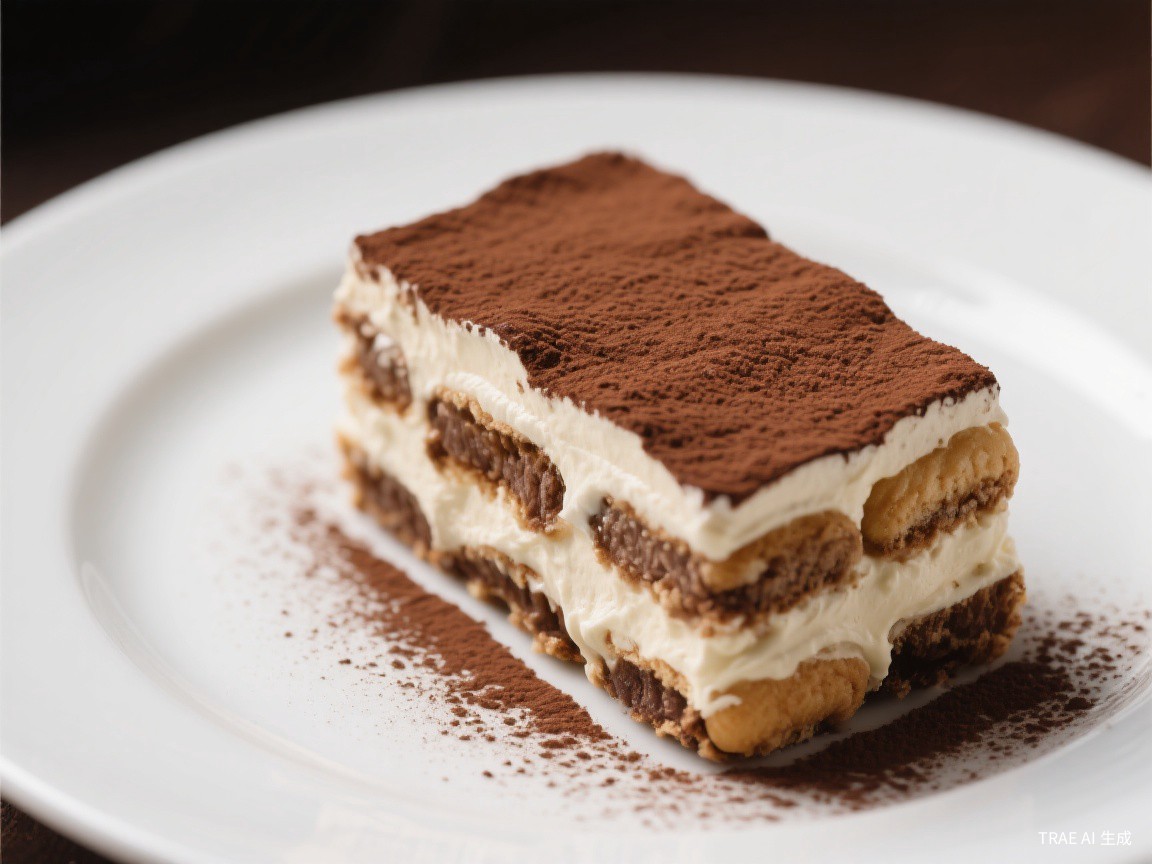
There is perhaps no Italian dessert that inspires as much passion, debate, and devotion as tiramisu. Layers of espresso-drenched ladyfingers nestled between clouds of mascarpone cream, finished with a veil of dark cocoa—this is a dessert that manages to be simultaneously elegant and deeply comforting, a testament to the Italian genius for transforming simple ingredients into something transcendent.
The Treviso Origin Story
While tiramisu feels like it has existed forever, its documented history is surprisingly recent. The most widely accepted origin story traces the dessert to the town of Treviso, just north of Venice, in the late 1960s. The restaurant Le Beccherie, run by the Campeol family, is credited with putting the first official tiramisu on a menu, where it was called "Tiramisù" and described simply as a "traditional dessert."
The name itself translates roughly to "pick me up" or "cheer me up," a reference to the energizing combination of espresso and sugar. Alba Campeol, the family matriarch, is often credited with the original concept, while the restaurant's pastry chef, Roberto Linguanotto, refined the recipe into the version that would eventually captivate the world. In 2017, Le Beccherie's tiramisu was officially recognized by the Italian government as part of the culinary heritage of the Veneto region.
However, the origin debate remains lively. Some food historians point to earlier references to layered coffee desserts in the Friuli-Venezia Giulia region, and claims that a similar dessert called "trancio al mascarpone" was served in Piedmont as early as the 1950s. What is beyond dispute is that tiramisu, in its modern form, is a product of the Veneto—and that it has become one of the most recognizable Italian desserts on the planet.
"Tiramisu is not just a dessert. It is a conversation between coffee and cream, between bitterness and sweetness, between the earthy and the ethereal. Every spoonful tells the story of Italy itself."
— Chef Marco
Choosing the Right Mascarpone
Mascarpone is the soul of tiramisu, and understanding this cheese is essential to making a superior version. True mascarpone is not technically a cheese at all—it is a cream curd, made by coagulating heavy cream with citric acid or tartaric acid. The result is an extraordinarily rich, spreadable product with a fat content of around 80 percent, giving it a luxuriously silky mouthfeel.
When selecting mascarpone for tiramisu, freshness is paramount. The cheese should taste clean and slightly sweet, with no sour notes. Italian brands such as Galbani and Granarolo are excellent choices. Avoid low-fat or "light" mascarpone entirely—the reduced fat content will compromise both the texture and the structural integrity of your cream.
Chef's Tip
Always bring mascarpone to room temperature before using it. Cold mascarpone will resist smooth incorporation with the egg mixture, leading to lumps. Let it sit on the counter for at least thirty minutes, then stir it gently with a spatula to loosen it before folding it into your cream base.
The Cream Debate: Whipped Cream or No Cream?
This is one of the most contentious questions in the tiramisu world. The original recipe from Le Beccherie uses only egg yolks, sugar, and mascarpone for the cream layer—no whipped cream whatsoever. Purists argue passionately that adding whipped cream dilutes the mascarpone's richness and alters the dessert's character. The egg-yolk-sugar cream, known as a zabaglione when cooked, provides a dense, velvety texture that is unmistakably Italian.
However, many modern recipes, particularly those popularized outside Italy, incorporate whipped cream to lighten the filling and add volume. This version is undeniably easier to work with and produces a fluffier, more approachable dessert. For our purposes, we will focus on the authentic method, but it is worth knowing that both approaches have merit depending on your preference for density versus airiness.
The Espresso: Heart of the Dessert
If mascarpone is the soul of tiramisu, espresso is its heartbeat. The coffee must be strong, freshly brewed, and—crucially—completely cooled before you begin dipping. Hot espresso will dissolve the ladyfingers into mush almost instantly, turning your carefully constructed layers into a soggy mess. Brew your espresso at least an hour in advance, or make it the night before and store it in the refrigerator.
The quality of the espresso matters enormously. A dark, full-bodied roast with low acidity works best, as it provides the bitter counterpoint that balances the sweetness of the cream without introducing sour notes. Italian espresso blends, particularly those from Lavazza or Illy, are designed specifically for this kind of use. Avoid light roasts or single-origin coffees with fruity or floral profiles—they can clash with the dairy and cocoa flavors.
The Soaking Technique
The way you dip your ladyfingers is perhaps the single most critical technique in tiramisu-making. The goal is to moisten the biscuits with espresso without saturating them. Too dry, and the tiramisu will feel crumbly. Too wet, and the structure collapses.
The traditional method is a quick dip—one to two seconds per side. Some Italian nonnas work with a shallow dish of espresso and flip each ladyfinger with practiced speed. Others add a tablespoon of Marsala wine or amaretto for additional depth, though purists sometimes frown upon this addition.
The Zabaglione Cream
The zabaglione—also known as crema pasticciera when combined with mascarpone—is the luxurious filling that defines authentic tiramisu. Made by whisking egg yolks and sugar over a gentle heat until thick and pale, then folding in mascarpone, this cream is rich, silky, and deeply satisfying. The gentle cooking process pasteurizes the yolks, addressing food safety concerns about raw eggs in dessert.
The Cocoa Dusting Ritual
The final flourish of tiramisu—the generous dusting of unsweetened cocoa powder—is far more than a garnish. The cocoa adds a layer of bitter complexity that cuts through the richness of the mascarpone and echoes the coffee notes in the ladyfingers. Use a high-quality Dutch-process cocoa for the best flavor and color, and apply it through a fine-mesh sieve just before serving for the most even distribution.
Some Italian chefs prefer to dust each layer individually rather than only the top, creating thin cocoa strata throughout. This adds visual drama when sliced. Either method is valid, but dusting only the top is the more traditional presentation.
Serving and Storing
Leftover tiramisu keeps well for two to three days in the refrigerator, tightly covered. The flavors actually improve on the second day, making this an ideal make-ahead dessert. It does not freeze well—the texture of the mascarpone suffers when thawed.
Ready to Master Tiramisu?
Download our complete guide with step-by-step photos, timing charts, and variations including fruit and chocolate tiramisu.
Get the Free Guide